Mastering Wilderness Self Reliance Skills: Essential Tips for Outdoor Survival
Imagine you’re planning a weekend hiking trip through a remote forest. The forecast is perfect, your gear is top-notch, and your spirits are high. Yet, halfway through, a misstep leads you off the marked trail and into unfamiliar territory. This scenario isn’t just a hypothetical; it happens more often than most might think. Wilderness self-reliance skills can turn what could be a dire situation into a manageable, even invigorating challenge.
Getting Started: Understanding the Basics
The Importance of a Survival Mindset
First things first, survival is as much about mindset as it is about skill. If you find yourself off the beaten path, the ability to stay calm can dramatically affect your capability to make rational decisions. Here’s the thing: panic is your biggest enemy in survival situations. A clear, focused mind will help you use your skills effectively and keep you moving toward safety.
Essential Skills for Staying Safe
Building a Shelter
Your first priority should be to find or create shelter. Protecting yourself from harsh weather conditions is crucial, especially overnight. A good shelter can also provide a psychological boost, giving you a sense of security. Whether it’s using fallen branches and leaves or a tarp you have packed, make sure it’s sturdy enough to withstand wind and insulate you from the cold ground.
Finding Water
Next up is water. Humans can survive up to three weeks without food but only about three days without water. Streams, rivers, and lakes are ideal sources, but remember, water nearly always needs to be purified. Boiling is best, but carrying water purification tablets or a portable filter can do the trick in a pinch. Let’s understand, hydration is your lifeline in the wilderness!
Building a Fire
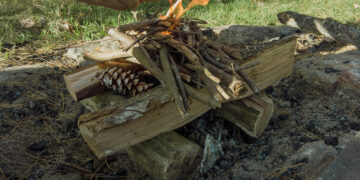
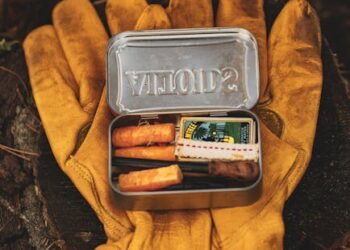
A fire serves many purposes: warmth, the ability to cook food, and the chance to signal for help. Gathering dry wood and tinder is the initial step. Creating a spark can be challenging without matches or a lighter, so always pack a reliable fire-starting kit in your survival pack. No matches? No problem: a flint and steel or even a battery with steel wool can be used in emergencies.
Navigating Your Way Back
Basic Orientation Skills
Losing your bearing can be frustrating and, at times, frightening. A compass and map are indispensable tools if you know how to use them. However, the sun also provides a natural navigation aid. Remembering that the sun rises in the east and sets in the west can help you find your general direction. And don’t overlook the night sky; stars like Polaris, the North Star, are reliable indicators of direction.
Learning from Others
Inspiration Through Real-Life Stories
Stories of real people who survived in the wild using their wits and skills can be incredibly motivating. Take, for example, the story of a hiker who, after getting lost with minimal supplies, managed to navigate back to a trail using just a map and a simple compass. This example underlines the importance of knowledge and preparation.
Parting Thoughts
Mastering wilderness self-reliance skills requires practice, patience, and preparation. Whether it’s a short hike or a multiday trek, being equipped with the essential tips for outdoor survival increases your confidence and safety. Remember, every trip into the wilderness is an opportunity to improve your skills and deepen your connection with nature.
In conclusion, gear up with knowledge, prepare with the proper tools, and embrace the adventure while staying safe. Are you ready for your next wilderness adventure?