Top 10 Essential Survival Skills for Solo Adventurers
Imagine you are hiking through a dense forest, far beyond the reach of cell signals, when the trail ahead suddenly disappears. As nightfall creeps in, how confident do you feel about handling the situation by yourself?
Embarking on a solo adventure can be exhilarating, but it also demands a set of essential survival skills to ensure you can safely navigate any unexpected challenges. From knowing how to find food and water to mastering the art of orientation without a GPS, being prepared is not just practical—it could very well be life-saving. Below, we delve into the top 10 essential survival skills every solo adventurer should master.
1. Orientation and Navigation
Understanding how to read a compass and a topographic map is crucial when your electronic devices fail. Practice using these tools in various settings to gain confidence in your navigation skills. Remember, the sun rises in the east and sets in the west—this basic knowledge can also guide you in urgent times.
2. Water Procurement and Purification
Finding a source of water is one of the first things you should do in a survival situation. Learn the techniques for collecting dew, rain, or stream water and make sure to purify it. Boiling water is a dependable method, but carrying iodine tablets or a portable water filter can save time and effort.
3. Building a Shelter
Whether you’re dealing with harsh weather conditions or planning to spend the night outdoors, knowing how to build a shelter is essential. Practice creating both small, warmth-preserving shelters and larger ones from natural materials available around you.
4. Fire Making
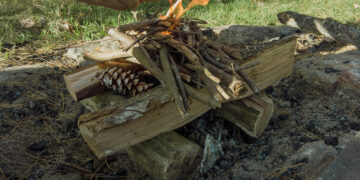
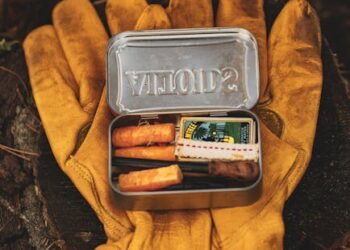
Mastering the skill of starting a fire is vital for warmth, cooking, and even signaling for help. Familiarize yourself with different techniques such as using a flint and steel, magnifying glass, or battery and steel wool. Always carry a waterproof lighter or matches as a backup.
5. Signaling for Help
Knowing how to signal for help can make the difference between being found and staying lost. Three blasts of a whistle or three fires in a triangle are universally recognized signals for emergency. Mirrors, flashlights, or brightly colored garments can also be used to signal rescuers.
6. First Aid Basics
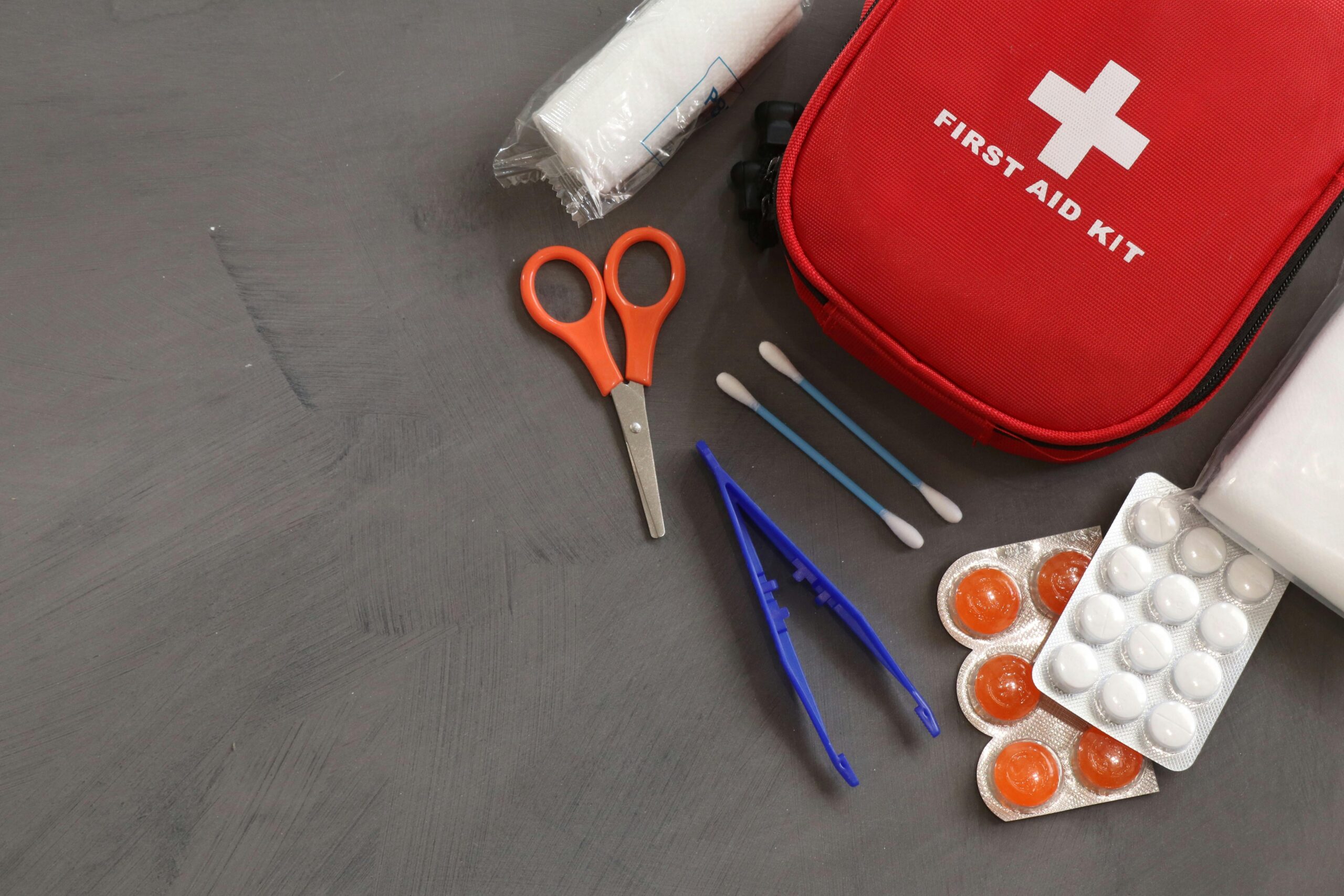
Understanding basic first aid and carrying a first aid kit are non-negotiable for any adventurer. Know how to treat common injuries like cuts, burns, and sprains. Learning CPR and recognizing the symptoms of critical conditions like heatstroke or hypothermia could save your life or someone else’s.
7. Food Identification and Foraging
In the wilderness, not everything is safe to eat. Educate yourself on the natural food sources available in different environments. Learn which plants are edible and how to catch small game or fish, ensuring you can nourish yourself without risking illness or poisoning.
8. Weather Forecasting
Being able to predict weather changes can profoundly impact your safety outdoors. Observe cloud formations, wind directions, and pressure changes. These signs can help you prepare for impending weather conditions, such as seeking shelter before a storm.
9. Knot Tying
Knots can be crucial in survival situations for building shelters, scaling heights, or securing gear. Learn a variety of knots, such as the bowline, square knot, or clove hitch. These knots have different strengths and purposes, making them handy in various scenarios.
10. Maintaining Mental Strength
Survival often depends as much on mental strength as physical ability. Techniques like goal setting, staying positive, and mental rehearsals of survival scenarios can be incredibly empowering when the going gets tough.
As you set out on your next solo journey, take a moment to review these skills and consider your preparedness. Equip yourself not just with the necessary gear, but also the knowledge and confidence that come from mastering these top 10 essential survival skills. Remember, the goal of any adventure is to come home safe and sound!