Mastering the Wilderness: Bushcraft Skills Every Camper Should Know
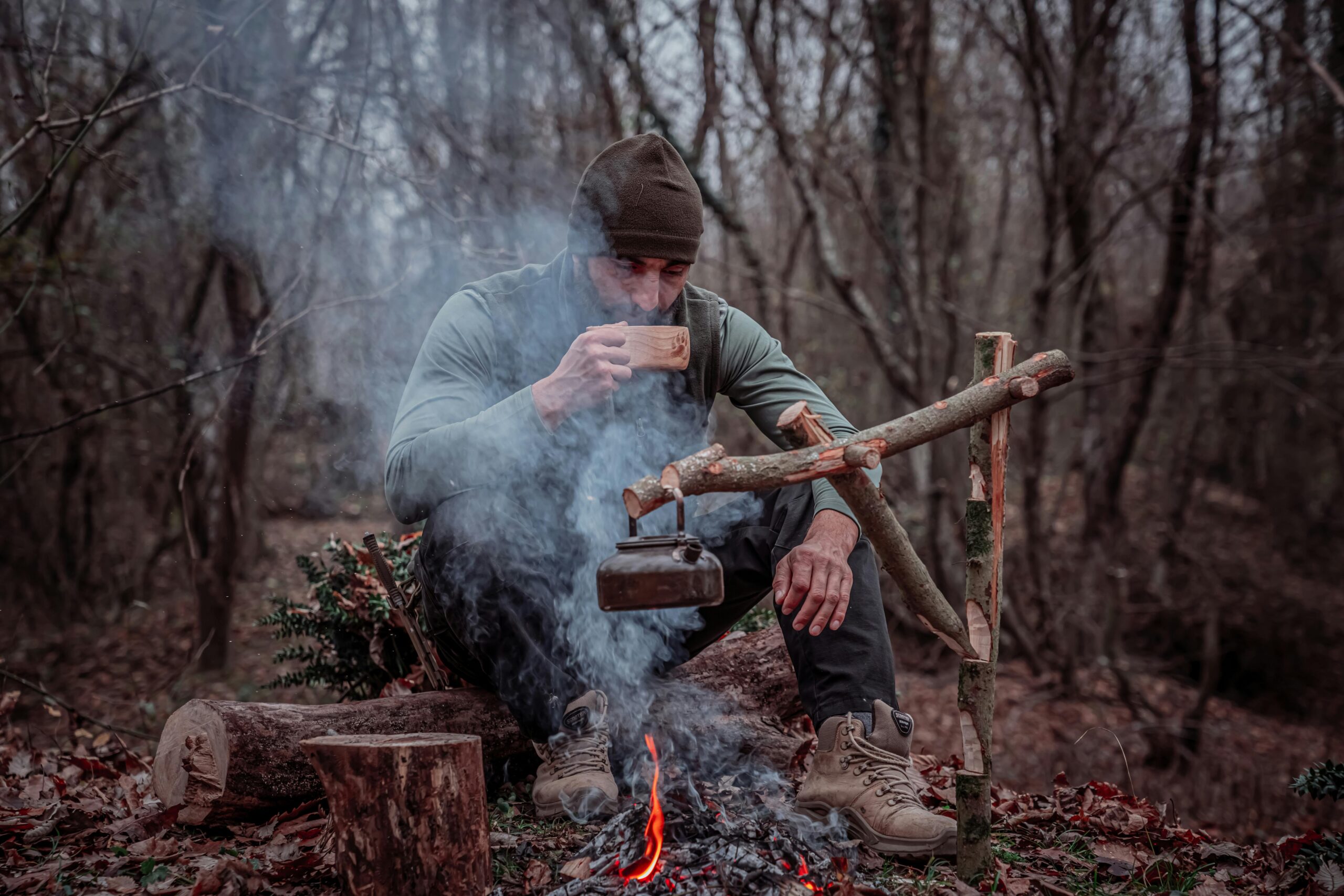
Imagine this: you’ve just set up camp in the middle of a magnificent forest. The air is fresh, the scenery breathtaking, but as night falls, the real challenge begins. How do you thrive using just the wilderness around you? That’s where bushcraft skills come in—not just to survive but to really master the wilderness experience.
So, why is bushcraft important?
Let’s understand one thing, bushcraft isn’t just about making it through the night or simmering a can of beans over a fire. It’s all about interacting with the natural environment, understanding its rhythms, and using its resources wisely. It’s empowering to know that you can step into the woods and manage comfortably with just basic tools and knowledge.
The Foundation of Bushcraft: Key Skills to Learn
Understanding Natural Navigation
Before GPS and smartphones, nature was the best guide to finding your way. Learning the art of natural navigation is a thrilling first step. Pay attention to the sun’s position, the moss on trees (typically growing on the north side in the northern hemisphere), and the stars—if the night turns clear, the North Star is your reliable guide. These techniques can turn a worrying situation into a manageable, even enjoyable challenge.
Fire Mastery
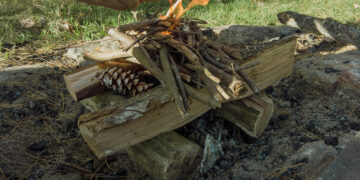
Knowing how to start a fire without matches or a lighter is a quintessential bushcraft skill. It keeps you warm, cooks your food, and can signal for help in emergencies. Master the art of using a flint or learn the classic friction-based method using a fire bow. Remember, it’s not just about starting the fire—it’s about maintaining it responsibly without harming the surrounding area.
Shelter Building
A safe, sturdy shelter can be the difference between a rough night and a restorative sleep. Use natural materials like branches, leaves, and moss to build a shelter that will protect you from the elements. The location is just as important: look for natural cover, and avoid places that could be prone to flooding or falling branches.
Putting Skills into Practice
Gathering and Purifying Water
Water is critical, but not all water is safe to drink. Learning to locate water sources and purify water using simple techniques, like boiling or using homemade filters from sand and rocks, is crucial.
Foraging for Food
While it’s unlikely you’ll be living off the land completely, knowing how to identify edible plants and insects can supplement your food supplies. Dandelions, wild onions, and berries are often safe bets, but make sure to educate yourself thoroughly to avoid poisonous plants. And remember, always forage responsibly to maintain the ecosystem’s balance.
Enhancing Your Bushcraft Kit
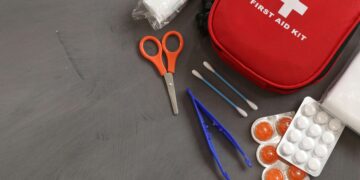
Every camper should have a basic bushcraft kit. Include items like a knife, a flint, a water bottle, a compact emergency blanket, and rope. These tools can enhance your ability to effectively use your skills in the wilderness.
Maintaining Safety and Respect
Safety first—always tell someone your planned route and expected return. Equally important is respecting your environment. Practice ‘Leave No Trace’ principles to preserve the natural beauty and integrity of the outdoors for future adventurers.
Conclusion
Bushcraft is about more than survival; it’s a way to deepen your connection with nature and gain confidence in your abilities to handle what the wild throws at you. Start with these fundamental skills, and remember, the great outdoors is a lifetime school—there’s always more to learn. Ready to master the wilderness? Let these bushcraft skills guide your journey.