Master These Practical Survival Skills in the Wild to Stay Safe
Imagine being caught in a sudden storm while hiking in the mountains, miles away from any trailhead. Your GPS fails, the path isn’t visible, and night begins to fall. What’s your next move? Situations like these, while daunting, can be manageable with the right survival skills.
Understanding Basic Wilderness Survival Skills
Let’s understand this: survival skills aren’t just for extreme adventurers—they are crucial for anyone who steps into the wild, even if it’s just a casual day hike. Preparing for the unexpected starts with mastering a few key skills that can make all the difference in critical situations.
1. Building a Shelter
Your first priority is often to find or create shelter from harsh conditions. A good shelter can protect you from cold, wind, and rain. So, what’s the simplest type of shelter? The debris hut. Use fallen branches to create a frame and pile leaves and other insulating materials on top. Remember, the smaller the space inside, the easier it will be to keep warm.
2. Starting a Fire
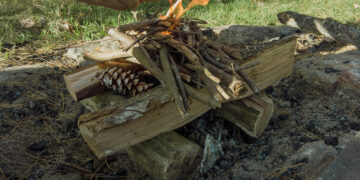
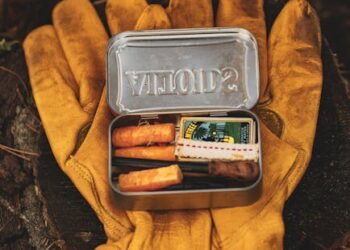
Fire serves as a source of warmth, a way to cook food, and a signal for help. Always carry a lighter or waterproof matches, but also know how to start a fire with flint or even friction. Keep your fire-making materials dry and practice assembling a quick fire pit using rocks to contain the flames.
3. Finding and Purifying Water
Humans can survive for weeks without food but only days without water. Locating a clean water source is vital. Clear, running water is usually safer than stagnant water, but boiling water is the best way to ensure it’s safe to drink. In a pinch, using a cloth to filter sediments and purifying tablets can also make water safe.
Navigating and Signaling Help
Once your basic survival needs are met, being able to find your way back to civilization or signaling for help is crucial.
4. Improvised Navigation Techniques
Familiarize yourself with basic navigation using the sun, stars, and natural landmarks. For instance, moss often grows on the northern side of trees in the northern hemisphere, and the sun rises in the east and sets in the west. Such knowledge can guide you in the right direction.
5. Signal for Help
If you’re lost, it’s important to know how to signal for help. Use a whistle, mirror, or even create large signals on the ground that can be seen from the air. SOS signals can be made by three fires or piles of rocks in a triangle formation.
Beyond the Basics: Additional Tips
Identifying Edible Plants and Insects
Knowing a few edible plants and insects can be a lifesaver. However, caution is key—consumption of the wrong plant or insect can be harmful. Familiarize yourself with the specific flora and fauna of the region before your trip.
First Aid Basics
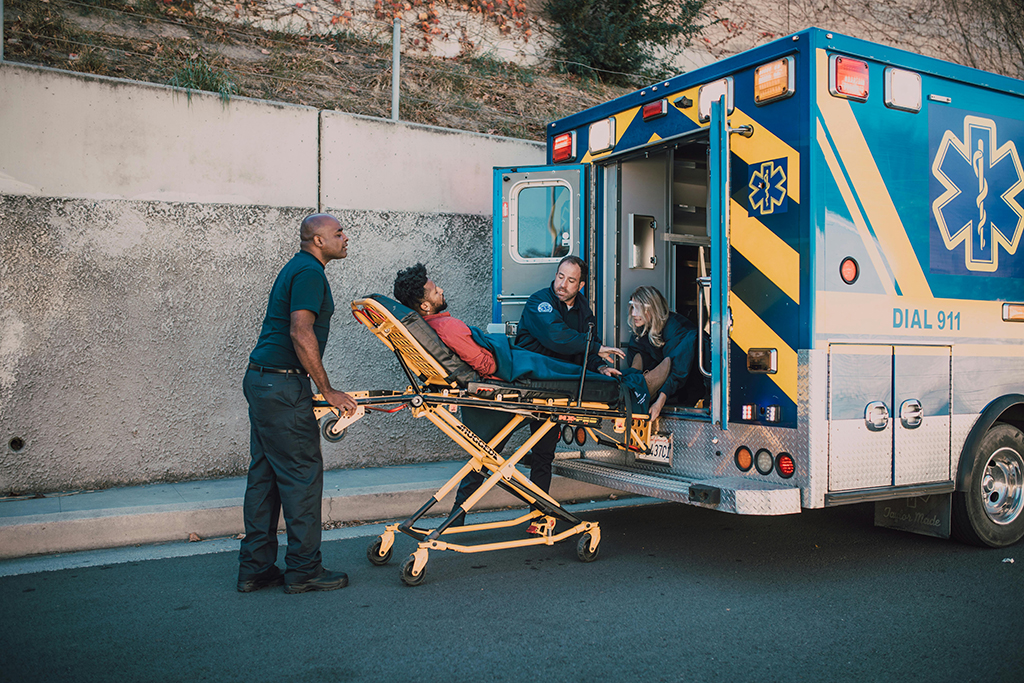
A basic understanding of first aid is essential. Know how to treat cuts, burns, and bites. Keeping a compact first aid kit can make these treatments more effective. Knowing how to set a splint or manage mild hypothermia could also be life-saving.
Conclusion: Stay Safe and Keep Learning
Mastering these practical survival skills in the wild greatly increases your chances of staying safe. Remember, the most important tool is your knowledge and calmness in the face of adversity. Always prepare before heading out and keep honing these skills, so you’re ready whenever adventure calls—or when unexpected challenges arise. Safe travels!