Master the Basics: Survival Skills Training for Beginners
Have you ever imagined being stranded in the wild, with nothing but your wits to rely on? It’s a scenario that seems far-fetched but can happen more easily than you might think—whether you’re hiking, camping, or just on an adventurous road trip. Knowing basic survival skills can be the difference between despair and reassurance.
In this guide, we’ll cover the essentials of survival skills training for beginners. Whether you’re planning your first outdoor adventure or simply want to be prepared for any situation, these tips will help you feel safer and more capable.
Understanding the Fundamentals
Before diving into specific skills, it’s important to grasp a few basic principles of survival. It always comes down to maintaining your core body temperature, staying hydrated, finding help, and being safe.
Shelter Building
One of the first priorities in a survival situation is to seek or create shelter. Protecting yourself from harsh weather conditions can prevent hypothermia or heat exhaustion. Here’s the thing, you can make a simple lean-to shelter using branches and leaves, or even utilize the natural landscape, like a cave or a large boulder. The key here is insulation and protection from elements.
Finding and Purifying Water
Water is life. You can only survive a few days without it. In the wilderness, finding a clean water source should be high on your list. Streams, rivers, or dew can be vital sources. However, remember—it’s essential to purify any found water to avoid pathogens that can make you sick. Boiling, using purification tablets, or solar water disinfection are all viable methods.
Starting a Fire
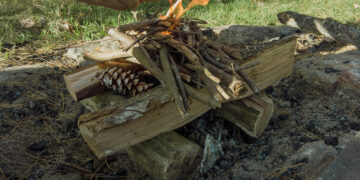
A fire is crucial for warmth, cooking, and even signaling for help. Gathering dry tinder, kindling, and larger pieces of wood is your starting point. Learning a few fire-starting techniques, like using a flint and steel, or even a battery and steel wool, can make a big difference. Always practice fire safety to prevent wildfires.
Signaling for Help
When lost, you’ll need to think about rescue. Brightly colored clothing, reflective mirrors, smoke by day, or fire at night can all alert rescuers to your location. Three of anything (blasts of a whistle, flashes of light, fires, etc.) universally signal distress.
Essential Survival Kit Items
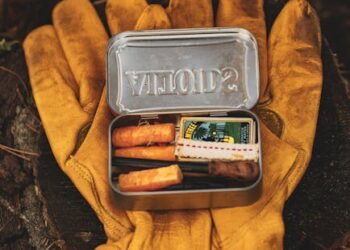
To enhance your chances in a survival scenario, here’s a simple list of items to include in a basic survival kit:
- A multi-tool or Swiss army knife
- Water purification tablets or filters
- Emergency blanket or bivvy sack
- Waterproof matches or fire starter
- Emergency whistle
- High-energy, non-perishable food items
- First aid kit
- A map and compass (or a GPS device)
Practicing Your Skills
Practice is key. Here are a few ways to hone your skills effectively:
- Local Survival Workshops: Many organizations offer courses that can provide hands-on survival training.
- Outdoor Adventures: Use every camping or hiking trip as an opportunity to practice these skills under controlled conditions.
- Backyard Sessions: Begin in your backyard to try building shelters or starting fires, working up to more complex tasks.
Conclusion
Mastering basic survival skills adds not only to your safety but also to your confidence when enjoying the great outdoors. Equip yourself with the necessary tools and knowledge, and practice regularly. Each skill you acquire not only prepares you for emergencies but also enriches your outdoor experiences, letting you explore nature with respect and assurance. Whether you’re venturing into the woods or simply preparing for unexpected situations, survival skills are invaluable tools in your life’s backpack.