Top 10 Essentials for Your Grid Down Medical Preparedness Guide
Imagine this: a fierce storm has just knocked out the power in your town. Streets are flooded, and help from emergency services might not arrive for days. In scenarios like these, being prepared is not just helpful; it’s crucial. So, how can you ensure your medical needs are met when the grid goes down? It starts with a well-planned medical preparedness guide.
The Importance of Being Prepared
When the grid fails, typical services and conveniences we often take for granted can become unavailable. This disruption can pose serious challenges, especially when it comes to accessing medical care. Preparing a comprehensive medical kit now could make all the difference when you find yourself in a grid-down situation. Here’s how to create a kit that is robust and reliable.
1. Comprehensive First Aid Kit
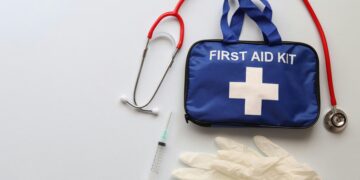
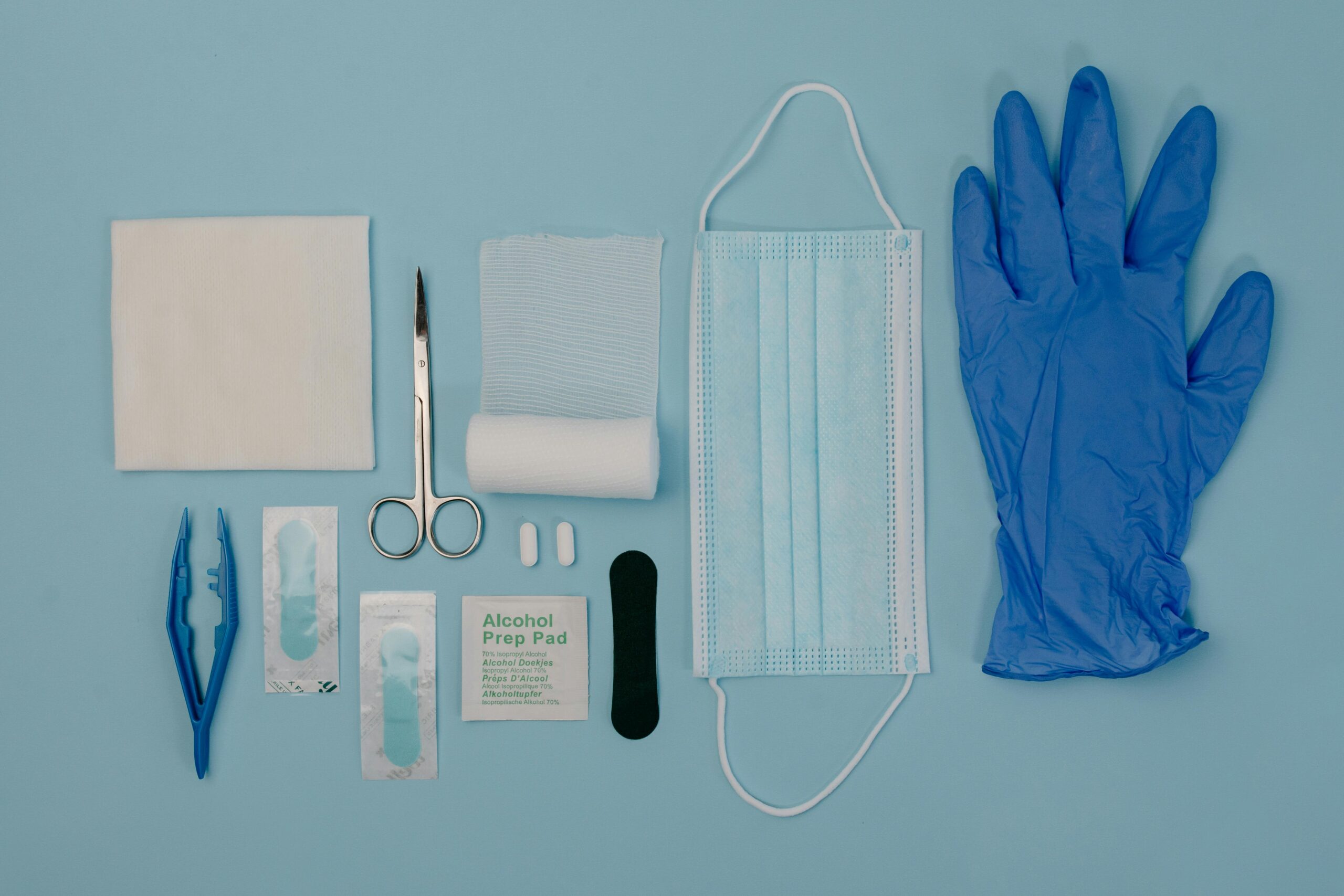
First things first, ensure you have a well-stocked first aid kit. This should include basic supplies like bandages, antiseptics, gauze, scissors, and adhesive tape. Don’t forget items for treating burns, cuts, and sprains. You might notice that having these basics can handle most minor injuries.
2. Medications
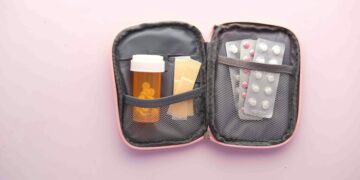
If you or a family member requires prescription medication, maintain a sufficient backup supply. Additionally, include over-the-counter medications such as pain relievers, anti-diarrheal medications, antacids, and allergy medications.
3. Hygiene Supplies
Infections can spread more easily when hygiene is compromised. Stock up on hand sanitizer, soap, disposable gloves, and sanitizing wipes. Ensuring cleanliness is a vital part of medical care during emergencies.
4. Water Purification
Contaminated water can lead to serious health issues. Keep water purification tablets or a portable water filter handy. Remember, you’ll need clean water for drinking as well as for cleaning wounds and washings hands.
5. Emergency Manuals and Guides
Sometimes, you might need to refer to medical information quickly. Store a few first aid manuals or download medical guides on your devices. These resources could be invaluable for addressing injuries and symptoms effectively.
6. Specialty Supplies
Consider the specific needs of everyone in your household. For instance, if someone is diabetic, stock additional supplies like insulin and glucose meters. For those with asthma, ensure extra inhalers are packed.
7. Flashlights and Extra Batteries
In a grid-down scenario, power outages are common. Have multiple flashlights and a good stock of batteries to navigate safely in the dark, especially if an injury needs attention at night.
8. Thermal Blankets
Maintaining body temperature is critical, especially if someone is shocked or injured. Compact emergency thermal blankets can be lifesavers in such conditions.
9. Multi-tool
A sturdy multi-tool can be very handy. From cutting bandages to fixing broken medical equipment, its uses are numerous in an emergency setup.
10. Communication Device
In case you need to reach out for help, ensure you have a way to communicate. Keep a charged mobile phone and a solar-powered charger or traditional batteries at the ready. This can help you quickly get help or attune to the newest updates during a disaster.
Wrap Up for Your Ready-Made Medical Kit
Preparing for grid down situations by safeguarding your medical needs does more than just add to your survival kit—it provides peace of mind. By assembling these top 10 essentials, you are proactively preparing to tackle potential medical emergencies head-on. Remember, the best time to prepare is before an emergency strikes. With this guide, you’re well on your way to ensuring that you and your loved ones can remain safe and healthy, no matter the circumstances.