Essential Items for Your Survival First Aid Kit Checklist: What You Need to Know
Imagine this: you’re on a long-awaited hiking trip with your friends, admiring the breathtaking views, when suddenly, one of your friends slips and injures their leg. Panic sets in – but not for too long, because, fortunately, you have your survival first aid kit ready. This kit isn’t just a box of band-aids and some antiseptic; it’s a well-prepared lifeline.
In moments like these, the value of a well-stocked survival first aid kit becomes inarguably clear. But, what exactly should you include in this kit to ensure you’re prepared for almost any scenario? Let’s dive into the essentials that could be literal lifesavers.
The Basics: Never Skip These
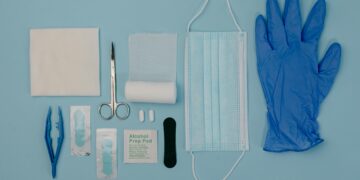
At the foundation of any effective survival first aid kit are the basics. Start with various sizes of adhesive bandages and sterile gauze pads. These can handle the minor cuts and abrasions that are all too common.
- Adhesive Bandages: For small cuts or abrasions,
- Sterile Gauze Pads: Needed for larger injuries to stop bleeding,
- Adhesive Tape: Ensures that the gauze stays in place,
- Antiseptic Wipes: To disinfect any wounds and prevent infection,
- Antibiotic Ointment: A small tube can go a long way in healing.
Medications to Consider
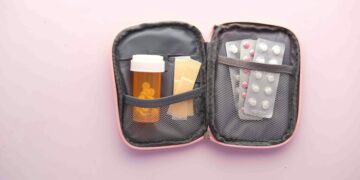
While we hope never to use them, having a selection of essential medications can be a game-changer. Always include:
- Pain Relievers: Like ibuprofen or aspirin,
- Allergy Medication: Especially if you know you have specific allergies,
- Anti-Diarrheal Pills: Because stomach issues can arise from less-than-ideal conditions.
Each person’s needs might vary, so consider any personal medications that should be included as well.
Specialized Supplies for Serious Situations
When the basics aren’t enough, certain items in your kit can make significant differences. Here’s a rundown:
- Tourniquets: For controlling severe bleeding,
- Splinting Materials: In case of breaks or fractures,
- Thermal Blankets: To maintain body temperature in shock cases,
- Burn Gel and Dressings: Because burns require specific treatment,
- Saline Solution: Useful for eye injuries or wound cleansing.
These items, while hopefully never needed, are essential for responding effectively to serious situations.
Tools That Come in Handy
A few simple tools can elevate your first aid readiness:
- Scissors: For cutting dressings or clothing,
- Tweezers: For removing debris like splinters or ticks,
- Safety Pins: Useful for securing bandages,
- Gloves: To protect yourself and the injured individual from infections.
By including these, you ensure that you can address most situations adequately, keeping them manageable until professional help is available.
Knowledge is Power: Educate Yourself
Here’s the thing, having a well-equipped kit is a great start, but knowing how to use it is crucial. Consider taking a basic first aid course to familiarize yourself with the proper use of the items in your kit and the best practices in various emergencies.
Regular Checks and Updates
Just owning a survival first aid kit isn’t enough. Regularly checking and replenishing your kit ensures that everything is in working order and has not expired. It’s recommended to review your kit Bi-annually, adjusting contents as your needs or activities change.
Conclusion: Be Prepared, Stay Safe
Building your survival first aid kit using this checklist ensures that you’re better prepared for unexpected situations. Whether it’s a minor scrape or a more severe injury, every item in your kit serves a purpose towards ensuring safety and health. Remember, in emergencies, a well-prepared first aid kit can truly make all the difference. So pack wisely and stay safe out there!