Essential Wilderness First Aid Tips for Beginners: How to Stay Safe Outdoors
Imagine you’re hiking through the lush green trails of the Appalachian Mountains. The birds are chirping, the brooks are babbling, and suddenly you stumble and twist your ankle—a common scenario for many outdoor enthusiasts. Now what? In such situations, having some essential wilderness first aid knowledge can be a game-changer.
So, let’s dive into what you need to know to keep you and your companions safe on your outdoor adventures. Remember, a little know-how can go a long way when you’re far from the nearest hospital.
Understanding Basic Wilderness First Aid
Before heading out into the great outdoors, it’s crucial to prepare for the unexpected. Knowing the basics of wilderness first aid not only boosts your confidence but can also prevent minor injuries from becoming major emergencies.
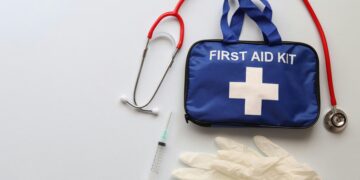
Get to Know Your First Aid Kit
First up, familiarize yourself with the contents of a well-stocked first aid kit. It should include items like:
– Bandages and gauze for dressing wounds
– Antiseptic wipes and creams to prevent infection
– Pain relievers such as acetaminophen or ibuprofen
– Tweezers for splinter or tick removal
– Emergency blanket and a whistle for attracting attention
Always check your kit before a trip to make sure nothing’s missing, and replace anything you’ve used after you return.
Learn the Basic Procedures
Next, key procedures you should know include how to treat cuts, sprains, and burns. For cuts, clean the wound with clean water or an antiseptic wipe, then dress it to keep it clean. For sprains, remember RICE: Rest, Ice, Compression, and Elevation. For burns, cool the burn under running water, then cover loosely with a sterile dressing.
Handling Specific Scenarios
Certain wilderness scenarios require specific knowledge. Below are a few you might encounter:
1. If Someone Gets Lost
If a member of your group gets lost, a crucial tip is to stay where you are and use a whistle or another loud object to make noise. It’s also important to have a communication plan before you even start your trip.
2. Encountering Wildlife
Encounters with wildlife can be dangerous. If you come across any large animals, it’s vital to keep calm, make yourself appear larger by raising your arms, and slowly back away while speaking softly. Never run; this could trigger a chase.
3. If Bitten by a Snake
In case of a snake bite, keeping the affected limb lower than the heart and remaining as still as possible can slow venom spread. Don’t attempt to suck out the venom as commonly portrayed in movies. Instead, cover the bite with a clean, dry dressing and seek medical help immediately.
Preparing Yourself Mentally and Physically
The wilderness can be unpredictable, so being mentally and physically prepared is just as important as having the right gear.
Stay Informed
Always check weatherconditions before you head out, and make sure you have a map and compass (and know how to use them!). Technology is helpful, but don’t rely solely on your phone’s GPS.
The Importance of Hydration and Nutrition
Lastly, never underestimate the power of water and food. Dehydration and hunger can make you weak and less alert, which could lead to accidents. Maintain regular hydration and keep some high-energy snacks handy.
In conclusion, having essential wilderness first aid knowledge is an invaluable part of any outdoor adventure. By preparing yourself with the right skills and tools, you ensure not just your safety but also a more enjoyable and confident experience in nature. Whether it’s a sprained ankle or an unexpected encounter with wildlife, you’ll be ready to handle it. So, pack your first aid kit, gather your courage, and venture out into the great outdoors with confidence!