Survival Skills Training for Beginners: 10 Essential Tips You Can’t Miss
Have you ever imagined being lost in the wilderness, miles away from civilization? While this may sound like the plot of a thrilling adventure movie, it’s a potential reality that underscores the importance of having basic survival skills. Whether you’re a seasoned camper, adventurous hiker, or a complete novice to the great outdoors, understanding the essentials of survival can make all the difference. Here’s an insightful guide on survival skills training for beginners, offering ten crucial tips that should not be overlooked.
Why Learn Survival Skills?
Survival skills equip you with the knowledge and techniques necessary to manage natural elements, seek help effectively, and, most importantly, stay alive until help arrives or until you can make it back to safety. It’s not just about building fires or finding shelter; it’s about preparing your mind and body to face unexpected challenges confidently.
1. Prioritize Learning Basic First Aid
Tip #1: Familiarize Yourself with Fundamental First Aid
In any survival situation, the potential for injury is high. From cuts and bruises to more severe injuries, knowing how to handle these medical situations can significantly impact your survival. Start by learning how to clean and dress wounds, recognize symptoms of common ailments, and perform CPR.
2. Master the Art of Fire Starting
Tip #2: Practice Different Methods of Fire Starting
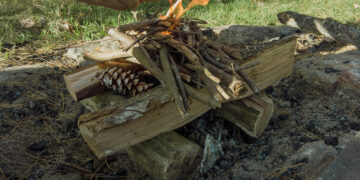
Fire provides warmth, cooks food, and signals for help. As a beginner, you should practice various methods of starting a fire, such as using a flint and steel, matches, or a lighter. Understand the basics of fire maintenance and safety to keep your fire burning efficiently without endangering yourself or the environment.
3. Learn to Source and Purify Water
Tip #3: Identify Safe Water Sources
Water is life. Locating a reliable water source is among the top priorities in survival. Learn to identify natural water sources and understand the methods for purifying water, such as boiling, using chemical purifiers, or solar distillation techniques.
4. Develop Navigation Skills
Tip #4: Use the Sun, Stars, and Natural Landmarks for Navigation
Getting lost is a critical concern in survival situations. Learn basic navigation skills using a compass, maps, and natural indicators like the position of the sun or stars. These skills can help guide you to safety or assist rescuers in finding you.
5. Crafting a Survival Shelter
Tip #5: Build a Durable Shelter
Protection from the elements is crucial, especially in harsh weather conditions. Understand different types of shelters, such as lean-tos or debris huts, that can be constructed using natural materials like branches, leaves, and snow.
6. Signal for Help Effectively
Tip #6: Learn Signaling Techniques
Knowing how to signal for help can increase your chances of being rescued. Practice making visual signals such as smoke signals, using mirrors to reflect sunlight, or creating noticeable markers. Also, understand the universal distress signals and when to use them.
7. Stay Nourished with Edible Plants and Insects
Tip #7: Identify Edible Nature
In cases where you might be stranded for days, identifying edible plants and insects can be a vital source of nutrition. Learn which local plants and insects are safe to consume and how to prepare them.
8. Keep Your Tools Handy
Tip #8: Equip Yourself Properly
Always carry a basic survival kit containing items like a knife, waterproof matches, a whistle, and a signaling mirror. These tools can be lifesavers in emergencies.
9. Maintain Your Mental and Physical Health
Tip #9: Stay Fit and Mentally Prepared
Survival is as much about mental endurance as it is about physical capability. Keep yourself physically fit and mentally sharp. Techniques like mindfulness and meditation can help maintain your focus and decision-making abilities under stress.
10. Practice Regularly
Tip #10: Engage in Consistent Practice
The best way to ensure you can utilize your survival skills when needed is to practice them regularly. Whether it’s a weekend hiking trip or dedicated survival courses, continuous practice builds confidence and expertise.
Conclusion
Beginning your journey with survival skills training might seem daunting, but by starting with these ten essential tips, you’ll not only enhance your safety but also enjoy your adventurous endeavors with greater peace of mind. Remember, survival skills are not just for handling worst-case scenarios; they are invaluable tools that teach resilience, resourcefulness, and respect for nature.