Mastering Basic Survival Skills for a Grid Down Scenario: A Beginner’s Guide
Have you ever wondered what you’d do if the power went out… and never came back on? It’s a daunting thought, isn’t it? Power outages are often brief and temporary, but in a grid down scenario, we’re talking about a whole different game—no lights, no fridge humming in the background, not even a buzzing from your cell phone charger.
Welcome to Basic Survival 101
Here’s the thing: the absence of modern conveniences can push us back to the basics faster than we might think. Learning to cope and adapt in such scenarios is not just useful—it could be crucial. And guess what? You don’t need to be a rugged outdoor enthusiast to grasp these survival skills. Let’s take it step by step, and I’ll show you some fundamental skills that anyone can learn.
Understanding the Scenario
Before we dive into the actual survival skills, it’s essential to really understand what a ‘grid down’ situation involves. It means no electricity, no municipal water supply, and possibly, a lack of access to everyday services we take for granted. Now, knowing the stakes, let’s roll up our sleeves and dig into what you can do to prepare and survive.
Securing Water: The Top Priority
Finding and purifying water should be at the top of your survival skills list. Humans can last weeks without food, but only days without water.
How to Find Water:
- Look for streams, rivers, or lakes in your area.
- Collect rainwater using any large containers you have.
- Morning dew can be wiped from grass and plants with a towel and then wrung out.
How to Purify Water:
- Boil water for at least one minute to kill bacteria and viruses. If it’s a high-altitude area, boil it for three.
- If boiling isn’t an option, use household bleach (unscented), adding about eight drops per gallon of water; stir and let it sit for 30 minutes.
Keeping Warm and Sheltered
Without the convenience of a thermostat, staying warm and sheltered becomes your next priority.
Building a Shelter:
- Find a location that’s safe from natural elements and pose no threat of flooding or falling trees.
- Use available materials such as branches, leaves, and even trash to create insulation and protection from the elements.
Staying Warm:
- Dress in layers to trap heat more effectively.
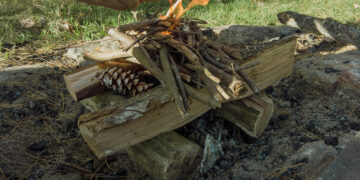
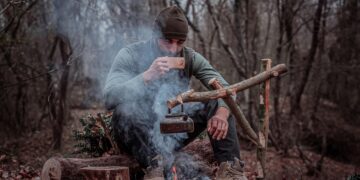
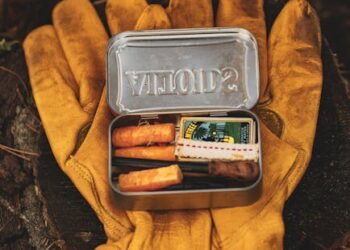
- Learn to start and maintain a fire safely. A fire serves as a source of warmth, a way to cook food, and a method to purify water.
Finding Food: Foraging and Basics
In a long-term grid down scenario, food supplies in stores would likely run out quickly. Knowing how to find food in your environment is a valuable skill.
Foraging for Edibles:
- Learn to identify local edible plants, but be extremely cautious about mushrooms—they can be dangerously poisonous.
- Insects might not be appealing, but many are protein-rich and safe to eat.
Basics of Hunting and Fishing:
- If permissible and ethical, understanding basic snares and fishing techniques could be beneficial.
- Always be aware of local wildlife regulations and safety.
First Aid and Health Management
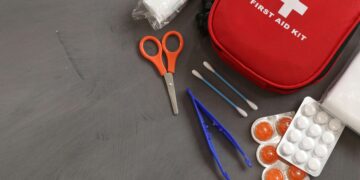
Maintaining health is crucial, and basic first aid knowledge can be a lifesaver.
Basic First Aid Skills:
- Learn how to treat minor injuries, such as cuts and burns.
- Understand signs of serious health issues like heatstroke or hypothermia and how to address them.
Mental Health Considerations:
- Maintain a routine to help cope with the stress and anxiety that can come with extreme situations.
- Engage in activities that keep morale high and encourage a sense of normalcy.
Concluding Thoughts
These skills, though basic, form the foundation of surviving a grid down scenario. It’s about leveraging what you have and knowing how to utilize the environment around you effectively. Remember, the key is preparation and practice. Hopefully, you’ll never need to use these skills, but if you do, you’ll be glad you took the time to learn them. Stay safe, stay prepared!