7 Essential Practical Survival Skills in the Wild You Need to Know
Imagine you’re hiking through a dense forest when suddenly, you realize the trail markers are no longer visible. Your GPS fails to connect, and night is drawing near. What would you do in such a scenario? Survival skills are not just about overcoming hardships; they’re crucial for ensuring safety and confidence in any unexpected situation in the wild.
Understanding Your Environment
1. Navigation Skills
Navigating your way through unfamiliar terrain is the cornerstone of wilderness survival. Forget electronics; a simple compass and a detailed topographic map can often be your best friends. Learn how to read these tools properly—distinguishing landmarks, interpreting contour lines, and setting a bearing. This knowledge could literally mean the difference between finding your way back or remaining lost.
2. Locating Water
Water is life. Your ability to locate and purify water should be a top priority. Most human bodies can only last three days without it. Rivers, streams, and dew are good sources. However, knowing how to collect and boil water to make it safe for drinking is essential. Carry purification tablets or a portable filter as a backup.
Practical Skills to Manage Basic Needs
3. Building a Shelter
Protection from the harsh elements is crucial, especially overnight. Learn the basics of constructing a temporary shelter. Use available resources such as branches, leaves, or even snow. The key is to maintain warmth and dryness—you might be surprised how a well-insulated shelter can significantly increase your chances of surviving cold nights.
4. Starting a Fire
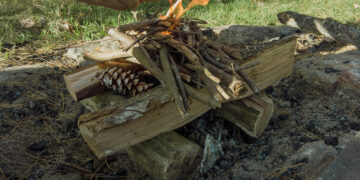
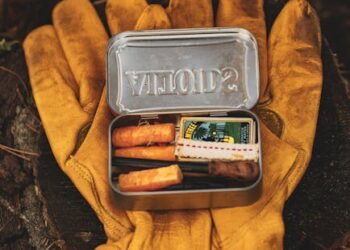
Mastering the art of fire-making is not just for warmth and cooking. Fire serves as a signal for help and can deter wild animals. Carrying a lighter or waterproof matches is wise, but also learn traditional methods like using a flint or bow drill. These skills come in handy should your primary tools get lost or damaged.
Safety and Nourishment
5. Identifying Edible Plants and Insects
Knowing which flora and fauna are safe to consume in your environment could sustain you longer than any packed supplies. However, caution is key—many plants and insects are poisonous. Study or carry a guide on local edible species. Remember, if in doubt, it’s smarter to go hungry than risk sickness.
6. Understanding Wildlife Behavior
Wild animals generally avoid humans, but unexpected encounters can happen. Learn about the wildlife in the areas you visit—what are safe distances, how to diminish risk during encounters, and especially, how to react if attacked. Preventive measures like noise-making or carrying bear spray can improve safety.
7. Handling Medical Emergencies
Basic first aid knowledge is indispensable. Know how to treat common injuries such as cuts, burns, or fractures. Familiarize yourself with CPR and always carry a first aid kit. More importantly, understand your physical limits to avoid situations that could lead to severe injuries.
Wrapping It Up
Mastering these 7 essential practical survival skills in the wild can transform frightening scenarios into manageable ones. Whether you’re an avid adventurer or a casual hiker, these skills not only enhance enjoyment of the outdoors but also improve your odds of thriving in nature’s unpredictability. Remember, preparation is key, and practice makes perfect. Stay safe and explore with confidence!