Top 10 Essential Survival Skills for Long Term Wilderness Living
Imagine this: you’ve just stepped into the vast, unending expanse of the wild, armed only with what you can carry and the skills you’ve accumulated over the years. Whether you’re drawn by the thrill of solitude or pushed by a necessity to escape the humdrum of urban life, surviving long-term in the wilderness presents a unique set of challenges. How prepared are you to face the elements and live sustainably off the land?
Why Survival Skills Matter in the Wilderness
Survival in the wilderness for extended periods is not just about braving the elements—it’s about thriving under challenging conditions. Having a set of essential survival skills can mean the difference between a rewarding, life-enriching experience and a potentially dangerous situation. In this post, you’ll discover the 10 critical skills you need to master for long-term wilderness living. These skills will help ensure your safety, efficiency, and sustainability in the wild.
1. Finding and Purifying Water
Importance of Hydration
Water is your most critical need in the wilderness. Locating a reliable water source and knowing how to purify it is paramount. You can find water through natural formations like streams, rivers, or dew collection. Remember, water needs purification before drinking, and techniques can vary from boiling to using water filters or chemical treatments.
2. Building a Shelter
Protect Yourself from the Elements
Your shelter is your safe haven against harsh weather conditions. Understanding how to build different types of shelters using natural materials found in your environment keeps you warm and dry. Whether it’s a lean-to or a debris hut, your shelter must be sturdy and insulating.
3. Effective Food Sourcing
Hunting, Fishing, Foraging
Long-term wilderness survival depends on your ability to source food. Skill in setting traps, fishing, and recognizing edible plants and fungus is crucial. Always ensure you’re familiar with local wildlife and plant life to avoid poisonous options.
4. Fire Making
Mastery of Fire
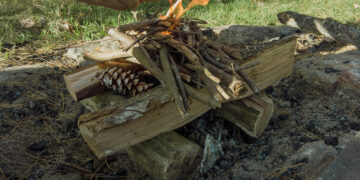
Fire is essential for warmth, cooking, and safety. You should be proficient in several fire-making methods, from using a flint and steel to the bow drill method. Keeping fire-making tools handy, like lighters or matches in a waterproof container, is also beneficial.
5. Navigation Skills
Know Your Way
Losing your way in the wilderness can be dangerous. Basic navigation skills using a map and compass are indispensable. In today’s digital age, understanding how to use GPS technology alongside traditional methods can further enhance your navigation capabilities.
6. First Aid and Herbal Medicine
Health is Wealth
Accidents happen, and knowing basic first aid can save lives. Familiarize yourself with methods to treat minor injuries, bites, and rashes. Knowledge of local herbs that can aid in healing and treatment is an added advantage.
7. Tool Crafting
Utilize Your Surroundings
Creating and maintaining tools from resources found in the wilderness is vital. Whether it’s a spear for fishing or a knife carved from stone, these tools make daily tasks easier and increase your chances of survival.
8. Rope Making and Knot Tying
Securing the Basics
Ropes and knots are essential for building shelters, setting traps, or climbing. Learn to create your own ropes from plant fibers or animal sinew and master a few knots that could come in handy.
9. Weather Prediction
Reading Nature’s Signs
Understanding weather patterns and being able to predict changes can significantly impact your wilderness experience. Familiarize yourself with cloud formations, wind directions, and natural indicators to prepare for inclement weather.
10. Mental Resilience
Stay Strong and Adapt
Lastly, the psychological aspect of survival often outweighs the physical. Mental resilience helps you overcome challenges, handle loneliness, and make critical decisions under stress.
Conclusion
Mastering these top 10 essential survival skills for long-term wilderness living enhances not only your safety but also your enjoyment and ability to thrive in nature. Each skill complements the other, weaving a safety net that strengthens with practice. Ready to embrace the wilderness? Remember, preparation is your best friend on this adventurous journey.