Top 10 Beginner Bushcraft Survival Skills Every Outdoor Enthusiast Needs
Have you ever wondered how you’d fare in the wilderness with just the basics? Imagine: the birds chirping, the wind rustling through leaves, and you, equipped with know-how and nature’s offerings. Whether you’re planning a weekend getaway in the woods or simply yearning to brush up on basic survival tactics, mastering a few bushcraft skills can make all the difference. Here’s why these skills are not just handy but essential for your adventures into the great outdoors!
The Essence of Bushcraft Survival Skills
Bushcraft survival skills are more than just techniques; they’re the bridge between you and nature’s untouched beauty. These skills help you thrive and survive in natural environments using traditional knowledge and minimal resources. It’s about being resourceful, respecting nature, and understanding the environment around you.
1. Building a Shelter
Why it’s crucial: Protection from the elements can make or break your outdoor experience.
- How to do it: Find a spot away from natural hazards. Use branches to create a frame, then layer leaves and moss for insulation and waterproofing.
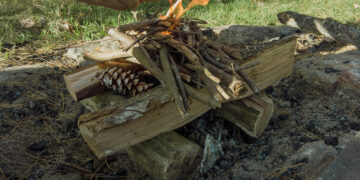
2. Starting a Fire
Fire is essential for warmth, cooking, and safety.
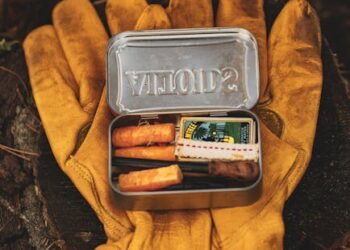
- Quick tips: Master the art of friction-based fire starting techniques like the bow drill method, or keep a flint striker handy for quick sparks.
3. Finding and Purifying Water
Water is life, especially in survival situations.
- Remember this: Look for flowing streams rather than stagnant water. Boil water to purify it, or use water purification tablets if you have them.
4. Identifying Edible Plants
Knowing what you can and cannot eat can save your life.
- Simple guide: Learn about local flora before your trip. Books and apps on edible plants in specific regions can be a great resource.
5. Basic First Aid
Accidents happen, be prepared.
- Essentials include: Knowing how to treat minor wounds, burns, and sprains. Always carry a basic first aid kit.
6. Navigating with a Map and Compass
Getting lost is the last thing you want.
- Navigational tips: Practice using a map and compass before venturing out. GPS devices are helpful, but never solely rely on technology.
7. Fishing and Hunting
For longer survival scenarios, obtaining food is key.
- Tools you may need: A simple fishing rod or a homemade spear can be effective. Remember, local laws apply, even in survival situations.
8. Cordage and Knot Tying
Cordage is incredibly versatile in the wild.
- Use cases: From setting up a shelter or a fishing line to creating snares. Learn basic knots like the bowline and square knot.
9. Tool Crafting
Using what nature provides effectively.
- Crafting tips: You can craft basic tools from stone, bone, or wood. A sharp knife is always a must-have.
10. Leaving No Trace
Respect nature as you enjoy it.
- Best practices: Whatever you bring, take back. Disturb the environment as little as possible to preserve it for future adventurers.
Wrapping Up Your Journey into Bushcraft
Mastering these top 10 beginner bushcraft survival skills will not only boost your confidence but also enhance your interaction with the natural world. Always remember, the key to successful bushcraft is practice and respect for nature. Start small, perhaps with building a small shelter or identifying local edible plants, and gradually build your skills. Every trip into the outdoors is an opportunity to improve and enjoy the simplicity and richness of living closely with nature. Ready to start your adventure as a savvy outdoor enthusiast?