Top 10 Essentials for Emergency Wound Care in the Wilderness
Have you ever thought about what you’d do if you got a nasty cut while hiking far from civilization? The thought itself might be unsettling, but being prepared can make all the difference. Trekking through the wilderness brings its set of risks, making it crucial to carry the right supplies to handle emergencies, especially for wound care. Here are the top ten essentials that should find a place in your backpack to ensure you are ready to tackle any injuries effectively.
1. First Aid Kit
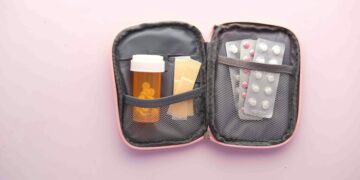
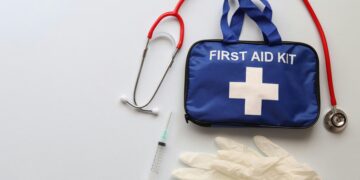
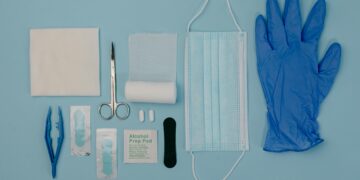
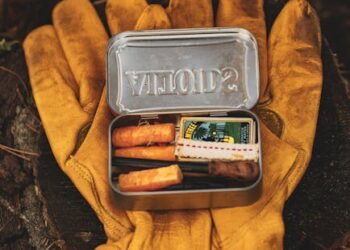
At the very top of your list should be a well-stocked first aid kit. But don’t just buy any kit; look for one tailored for outdoor activities which includes bandages, antiseptic wipes, gauze pads, and tape. This is your first line of defense in managing wounds and preventing infections.
2. Sterile Gloves
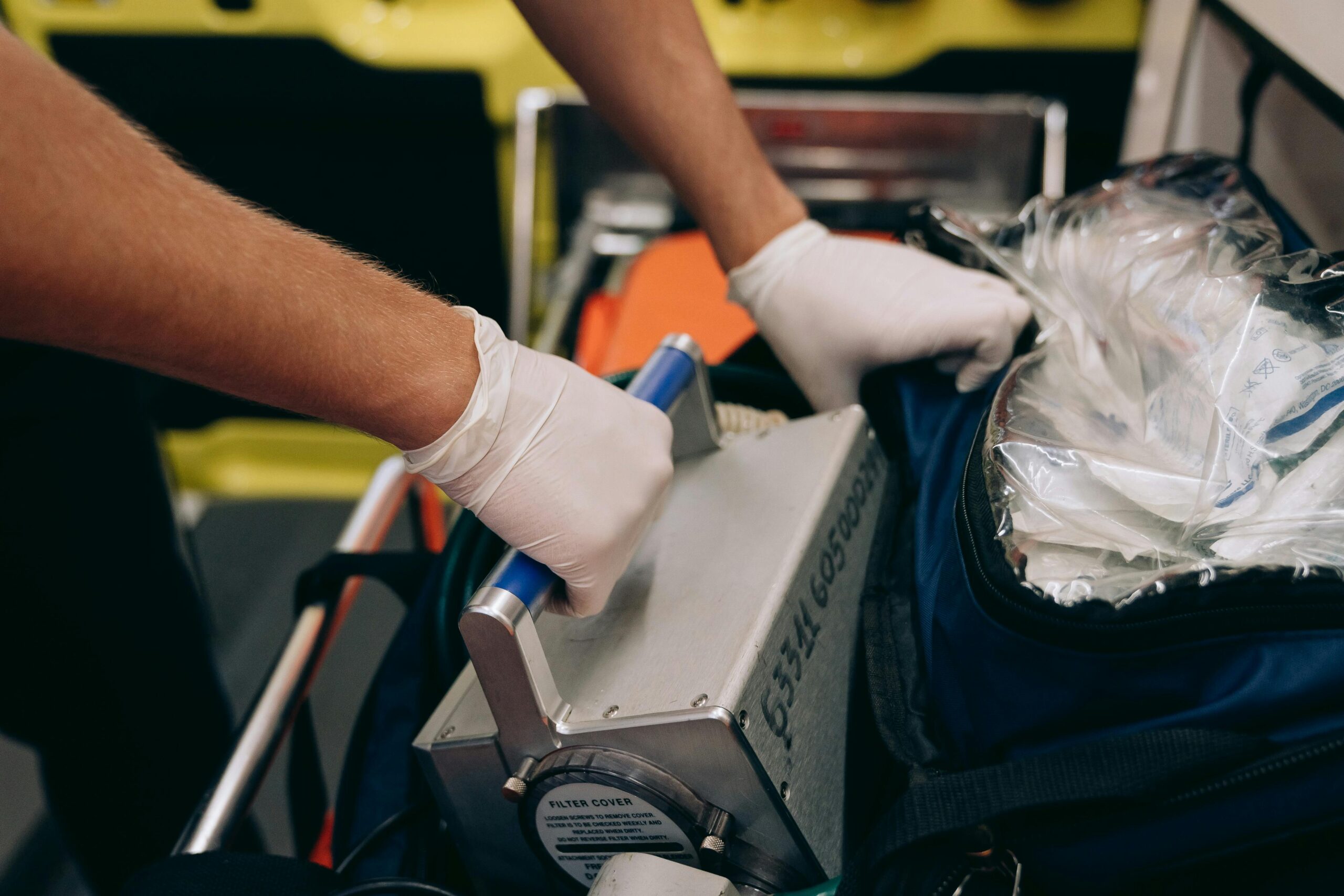
Keeping wounds clean cannot be overstressed, and that starts with your hands. Pack a few pairs of sterile gloves to protect the injury from bacteria that your hands may carry, despite seeming clean.
3. Saline Solution
For flushing and cleaning wounds, nothing is quite as effective and safe as saline solution. It helps remove debris and dirt from a wound before bandaging. This can be critical in preventing infection in a wilderness setting.
4. Antibiotic Ointment
Once a wound is clean, applying an antibiotic ointment can be a crucial next step. This helps prevent bacterial growth and keeps the area moist, which can promote faster healing.
5. Hemostatic Agents
In cases of severe bleeding, hemostatic agents (such as powders or dressings that promote clotting) can be life-saving. Products like QuikClot can be pressed into a wound to significantly speed up the natural clotting process.
6. Waterproof Bandages
In the wilderness, moisture is almost inevitable, whether from crossing streams or unexpected rainfall. Waterproof bandages ensure that the wound remains dry and protected, which is essential for proper healing.
7. Pressure Bandages
For deeper or more severe wounds that continue to bleed, having pressure bandages can help manage bleeding. These bandages apply pressure to the wound area, helping to slow blood flow.
8. Tweezers
Splinters or small stones can complicate a simple wound quickly. Having a pair of tweezers in your kit helps remove these small debris pieces from a wound that could potentially lead to infection or irritation.
9. Thermal Blanket
While not directly related to wound care, a thermal blanket is essential if a person goes into shock post-injury, which can happen with severe wounds. Keeping the body warm can prevent the condition from worsening.
10. Comprehensive First-Aid Manual
Lastly, no first aid kit is complete without a comprehensive guide or manual. Knowledge of basic first aid techniques can immensely boost your confidence and effectiveness in handling various medical situations, including wound care.
Exploring the great outdoors is undoubtedly thrilling, but being unprepared for emergencies can turn an adventure sour. Tailoring your emergency kit with these top ten essentials for emergency wound care can be the difference between a minor hiccup and a crisis. So next time you pack, make sure these items are checked off first. Safety isn’t just a precaution; in the wilderness, it’s a necessity.