The Ultimate Guide to Outdoor Emergency Preparedness Medical Kits
Have you ever found yourself in a situation outdoors where a simple bandage or antiseptic wipe could have made all the difference? As many outdoor enthusiasts can tell you, being prepared is not just about packing extra water and a good map; it’s also about having the right medical essentials at hand. This guide will equip you with the knowledge to prepare an effective emergency medical kit for any outdoor adventure.
Understanding the Essentials of a Functional Emergency Kit
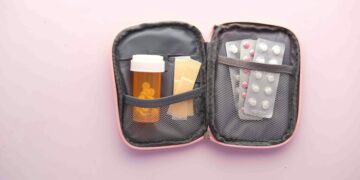
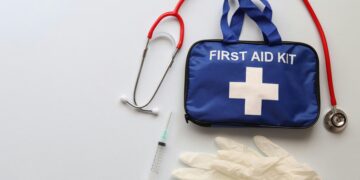
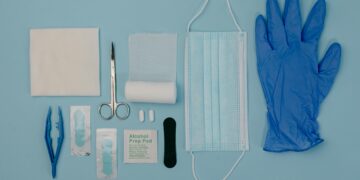
What exactly should go into an outdoor emergency preparedness medical kit? Well, it’s not just about stuffing it with a random assortment of plasters and pills. Each item needs to serve a purpose for the most common outdoor injuries or health issues. Here’s a basic rundown:
- Bandages and Dressings: Include various sizes for different types of injuries.
- Antiseptic Wipes and Ointments: To clean wounds and prevent infection.
- Allergy Medications and Epinephrine Auto-Injectors: Crucial for those with severe allergies.
- Pain Relief Medications: Such as ibuprofen, can reduce discomfort and manage fevers.
- Tweezers and Scissors: For removing splinters and cutting bandages or tape.
- Emergency Blanket: To retain body heat and manage hypothermia.
Personalization: Adapting Your Kit to Specific Needs
While the basics are vital, the specific contents of your kit might differ based on personal medical needs and the nature of the trip. For example, if you’re heading into a known tick-prone area, including tick removers and insect repellent is wise. For those who wear glasses, carrying a repair kit or a spare pair is essential. Personalizing your kit doesn’t just mean adding extra items; it means thinking critically about where you’ll be and what specific health needs might arise because of it.
Keeping Your Kit in Top Condition
Let’s recognize one thing: a medical kit is as good as its maintenance. Here are a few tips to keep your kit ready and useful:
- Check Expiration Dates: Regularly replace expired or used up items.
- Waterproof Everything: Use waterproof bags to protect the contents from water damage.
- Accessibility Is Key: Store it where you can quickly reach it in an emergency, not buried in your backpack.
Practical Tips for Emergency Scenarios
So now that you’ve got your kit stocked and ready, how do you use it effectively? First, familiarize yourself with each item before you venture out. Knowing how to quickly apply a pressure bandage or administer antihistamines under stress can make a significant difference in an emergency. Here’s something else – practice makes perfect. Consider taking a basic first aid course if you aren’t already trained. This training could be as valuable as any tool in your kit.
Learning From Real-Life Situations
Imagine you’re hiking through rocky terrain and someone in your group twists an ankle. Having an instant cold pack and knowing how to wrap an ankle can turn a potential rescue situation into a minor delay. Or consider the common issue of dehydration or heat exhaustion; being equipped with oral rehydration salts and a thermometer can help manage the situation before it becomes dangerous.
Conclusion: Your Safety, Your Responsibility
While the guide provides a foundation, the real test comes when you’re out facing the elements. Remember, the goal is not just to carry a medical kit but to be prepared mentally and physically to use it. So before your next outdoor adventure, take a moment to review your medical kit and ensure you’re ready for anything. After all, in the wilderness, being prepared is not just a convenience—it could save your life or the life of someone else. Safe travels, and enjoy the beauty of the outdoors with the peace of mind that comes from being well prepared.