Essential Survival Skills: How to Improvise First Aid in the Wild
What would you do if you found yourself miles from the nearest medical facility, and suddenly needed medical attention? It’s a daunting scenario, but one that outdoor enthusiasts might face. The ability to improvise first aid while in the wild can be a life-saving skill. Whether you’re hiking, camping, or engaging in any remote adventure, knowing how to handle medical emergencies using limited resources is crucial.
Understanding Basic First Aid Principles
Before diving into specific improvisation techniques, it’s essential to grasp a few basic first aid principles. These fundamentals will serve as the backbone of your emergency responses.
1. Assess the Situation
Safety comes first. Ensure the area is secure before administering any type of aid to avoid further injuries or accidents.
2. Prioritize Injuries
Identify life-threatening conditions first, such as severe bleeding or breathing difficulties, and address those immediately.
3. Use Available Resources
In the wild, you must rely on whatever is at hand. This could range from your hiking gear to natural materials found in the environment.
Improvising Bandages and Splints
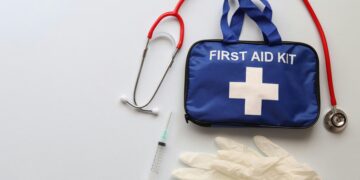
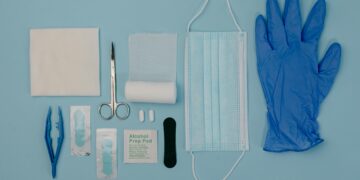
Imagine you or someone with you has suffered a significant cut or broken a limb. Regular first aid kits contain sterile bandages and splints, but if you don’t have one, here’s how you can manage:
For Cuts and Wounds
- Clean the Wound: Your first step is to prevent infection. If clean water is scarce, use whatever water is available. Boiled water from streams or rivers can serve this purpose after cooling.
- Stopping Bleeding: Apply pressure with a clean cloth. If none is available, items like clean socks or a corner of your cotton t-shirt can suffice.
- Dress the Wound: Tie a piece of cloth around the wound to keep it clean. In a pinch, bark stripped from a tree and smoothed can wrap a wound as a protective barrier.
For Sprains or Broken Bones
- Immobilize the Affected Area: Stabilize the limb using sticks or branches as makeshift splints.
- Secure the Splint: Tear strips from a shirt or use shoelaces to tie the splint. Ensure it’s snug, but not tight enough to cut off circulation.
Handling Animal Bites and Stings
Wilderness adventures often increase the risk of encounters with wildlife, which could lead to bites or stings. Immediate response can prevent complications.
- For Snake Bites: Keep the affected area still to slow the poison’s spread. Do not attempt to suck out the venom.
- For Insect Stings: Scrape the stinger away with a fingernail or a credit card. Applying mud can momentarily relieve pain and swelling.
Making Use of Natural Remedies
Nature provides its own medicine cabinet. For instance:
- Willow Bark: Known as nature’s aspirin, it contains salicin, which can be chewed or brewed into a tea for pain relief.
- Plantain Leaves: Common in many parts of the world, these can be crushed and applied to wounds to reduce inflammation and prevent infection.
Dealing with Hypothermia and Heatstroke
Temperature-related ailments require quick thinking:
- For Hypothermia: Use dry leaves or moss for insulation when blankets are not available. Body heat conservation is crucial, so huddle together if you’re in a group.
- For Heatstroke: Find shade immediately and create a makeshift fan from a flat piece of bark or a notebook to help reduce body temperature.
Conclusion
Improvising first aid in the wild can be daunting, but with some knowledge and creativity, you can greatly increase someone’s chances of recovery until professional medical help can be obtained. Remember, prevention is key; always plan ahead and be prepared for unexpected scenarios. Keep these improvisational skills in mind, and you will add a vital layer of safety to your outdoor adventures.