Survival Medicine for Off Grid Living: Essential Tips for Self-Sufficiency
Imagine you’re deep in the wilderness, miles from the nearest hospital, and someone in your group falls seriously ill. What would you do? Off-grid living brings a thrilling sense of freedom and closeness to nature, but it also requires preparedness, especially when it comes to health emergencies. Learning the essentials of survival medicine is not just a choice but a necessity for anyone embracing this lifestyle.
Understanding the Basics of Survival Medicine
Let’s start with the basics. Survival medicine is about managing medical needs in situations where traditional medical resources are unavailable. It involves more than just first aid; it’s about knowing how to make do with limited supplies and how to improvise solutions until professional help is available.
1. Create a Comprehensive First Aid Kit
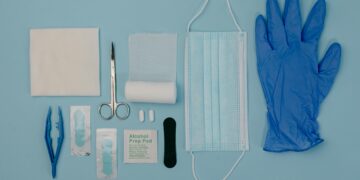
A well-stocked first aid kit is your first line of defense. Here’s the thing, your kit should include not just bandages and antiseptics but also tools like tweezers, scissors, and thermometers. Think about including medications for pain relief, anti-diarrhea, antihistamines, and any prescription medications that are regularly needed.
2. Gain Basic Medical Knowledge and Skills
There are a plethora of resources available today—from online courses to books—that can teach you the essentials of medical care. Focus on skills like how to treat wounds, manage infections, perform CPR, and deal with common ailments like fever or dehydration. Remember, knowledge is as crucial as medical supplies.
Handling Specific Medical Emergencies
Dealing with Infections and Wounds
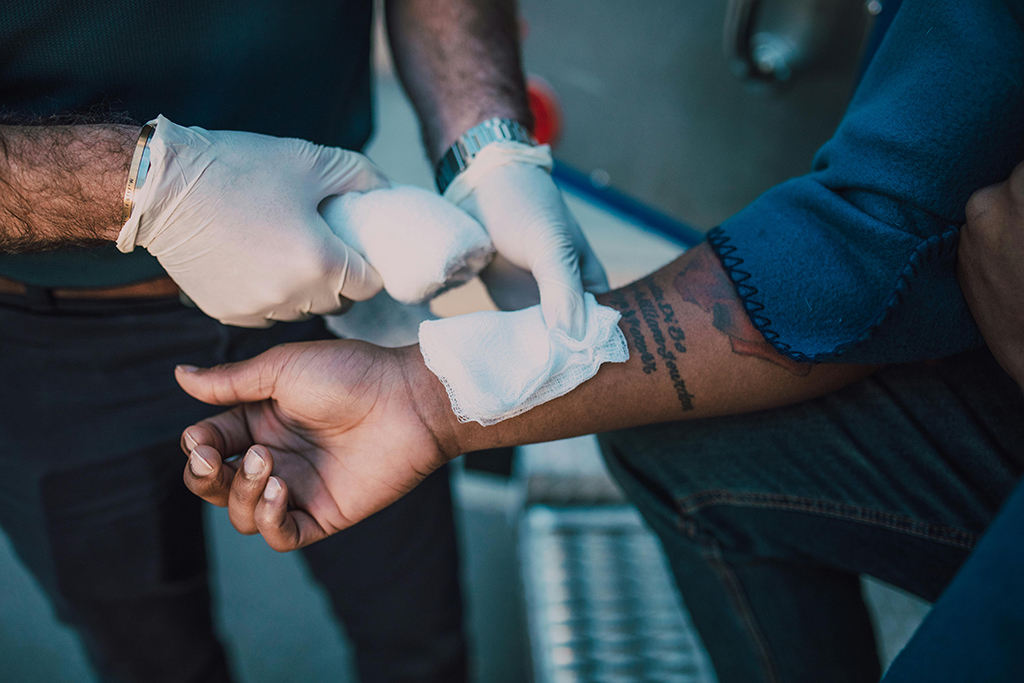
When medical help is not immediately accessible, preventing an infection becomes crucial. Always clean wounds thoroughly with clean water and antiseptics. Keep wounds covered, but also let them breathe when safe to do so. Learn how to recognize the signs of infection: redness, swelling, and warmth around the wound are key indicators.
Battling Common Illnesses
Common issues like colds, coughs, or stomach upsets can turn serious if not managed properly. Stay hydrated and rest; these are your best initial strategies. Herbal remedies can also be useful, and ingredients like ginger for nausea or honey for a cough are great natural alternatives.
Utilizing Natural and Herbal Remedies
In the absence of a pharmacy, nature can be your best resource. Educating yourself on local medicinal plants can be a lifesaver. Plants like willow bark for pain relief, lavender for stress and sleep, and echinacea for boosting the immune system are all beneficial. However, always ensure you’ve properly identified any plant before use to avoid harmful mistakes.
Building a Knowledge Base With Workshops and Training
Consider taking part in local or online workshops. Real-life case studies and hands-on training will deepen your understanding and prepare you for emergency situations. Community knowledge-sharing can also be incredibly helpful. Engage with others who practice off-grid living; their experiences can offer valuable insights and real-life tips.
Conclusion
Survival medicine for off-grid living isn’t just about treating illnesses or injuries but about prevention and quick thinking. These essential tips for self-sufficiency will help you handle most common scenarios and ensure you enjoy your off-grid adventure without unnecessary medical worries. Always look to expand your knowledge and keep your supplies replenished. Remember, in the world of off-grid living, being prepared is half the victory.