Unlocking the Essentials of Backcountry First Aid Basics
Imagine you’re hiking through the wilderness, the crisp air filling your lungs and birds chirping above. Suddenly, your companion slips on a wet rock, twisting an ankle. The nearest help is miles away. What do you do? This scenario isn’t just a possibility; it’s a common occurrence for outdoor enthusiasts navigating the unpredictable terrain of the backcountry.
The Basics: What is Backcountry First Aid?
Backcountry first aid is a bit different from your regular first aid. It’s all about managing medical emergencies in remote or wilderness settings where immediate professional medical response isn’t available. Here’s the thing, when you’re miles from the nearest road, knowing these basics could be the difference between a resolved emergency and a crisis situation.
Essential First Aid Skills Everyone Should Know
So, what are the absolute must-know techniques? First off, you need to understand how to assess injuries. This means checking the injured person for responsiveness, breathing, and any obvious injuries. Then, you’ve got to know the basics: how to stop bleeding, how to dress wounds, and how to handle sprains or fractures. A simple sprained ankle treated well can prevent further damage and make the hike back a lot less painful.
First Aid Kits: Packing Smart
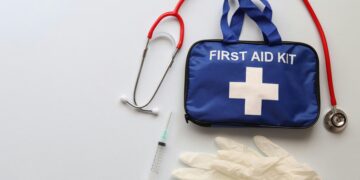
Let’s understand what goes into a smartly packed first aid kit. It’s not just about stuffing it with tons of supplies; it’s about having the right supplies. Essentials include:
- Sterile gauze and bandages for dressing wounds.
- Adhesive tape and safety pins to secure the bandages.
- Antiseptic wipes and creams to prevent infection.
- Pain relievers such as ibuprofen or aspirin.
- Antihistamines for allergic reactions.
- A splinting material for supporting broken or injured limbs.
Remember, the key is to pack light but effective. You need items that serve multiple purposes and don’t add unnecessary weight.
Scenario-Based Learning: Real Life Examples
Imagine you come across a friend who has been bitten by a snake. Knowing the right action can save a lot of panic and potentially their life. First, keep them calm and immobile. Next, position the affected limb lower than the heart to slow venom spread. Importantly, never attempt to suck out the venom – that’s a Hollywood myth!
Training and Preparation
It’s excellent to have all the right tools and knowledge, but practice makes perfect. Taking a certified wilderness first aid course is a wise choice if you plan frequent backcountry adventures. These courses often offer hands-on experience with common scenarios you might encounter and often teach you about local wildlife and plant hazards too.
When Things Get Serious: Recognizing Emergencies
Recognizing when a situation turns from an injury to a life-threatening emergency is crucial. Symptoms like difficulty breathing, severe bleeding that won’t stop, or loss of consciousness mean it’s time to press the emergency button. In such cases, having a method of emergency communication, like a satellite phone or a personal locator beacon, is vital.
In Summary: Why It Matters
Mastering the essentials of backcountry first aid isn’t just about ticking a box in your hiking prep checklist; it’s about ensuring you and your companions enjoy a safe trip and return home without incident. Remember, nature is unpredictable, but being prepared is something you can control. Equip yourself, stay sharp with ongoing education, and always respect the power of the wilderness.
With these tips and a bit of practice, you’re well on your way to becoming a proficient backcountry first aider — ready to tackle any challenges that come your way with confidence and calm.