Survival First Aid Mistakes Outdoors: Common Errors You Might Be Making
When exploring the great outdoors, being prepared for emergencies is crucial. However, even the most seasoned adventurers can make mistakes in administering first aid. Understanding these common first aid errors can significantly enhance your preparedness, ensuring your outdoor adventures remain safe and enjoyable.
Understanding the Basics of Outdoor First Aid
Before diving into the common mistakes, it is essential to grasp some basic outdoor first aid principles. First aid outdoors consists of immediate care given to an injured or ill person until full medical treatment is available. It’s aimed at preserving life, preventing condition deterioration, and promoting recovery.
Essential First Aid Skills
- Evaluating the situation: Ensuring safety for yourself and the victim.
- Basic CPR: Cardiopulmonary resuscitation in case of a heart attack or drowning.
- Stopping Bleeding: Techniques to control severe bleeding.
- Handling fractures and sprains: Immobilizing the injured area.
- Managing exposure: Dealing with hypothermia or heatstroke.
Common First Aid Mistakes in Outdoor Settings
1. Ignoring Personal Safety
The first rule in first aid is ensuring your safety. Many well-intentioned rescuers jump into dangerous situations, like swift water or unstable terrains, without considering their safety. Always assess the risks before attempting a rescue.
2. Poor Prioritization of Injuries
Another typical error is misjudging which injuries require immediate attention. For instance, whilst a bleeding wound appears threatening, an obstructed airway poses a more immediate risk to life. Learn to prioritize injuries correctly: Airway, Breathing, then Circulation (A-B-C).
3. Using Tourniquets Improperly
Tourniquets are essential for controlling life-threatening bleeding but their misuse can lead to significant complications, including potential limb loss. Only use a tourniquet when severe bleeding cannot be controlled by direct pressure and elevate the wound if possible.
4. Over-reliance on Gadgets and Gear
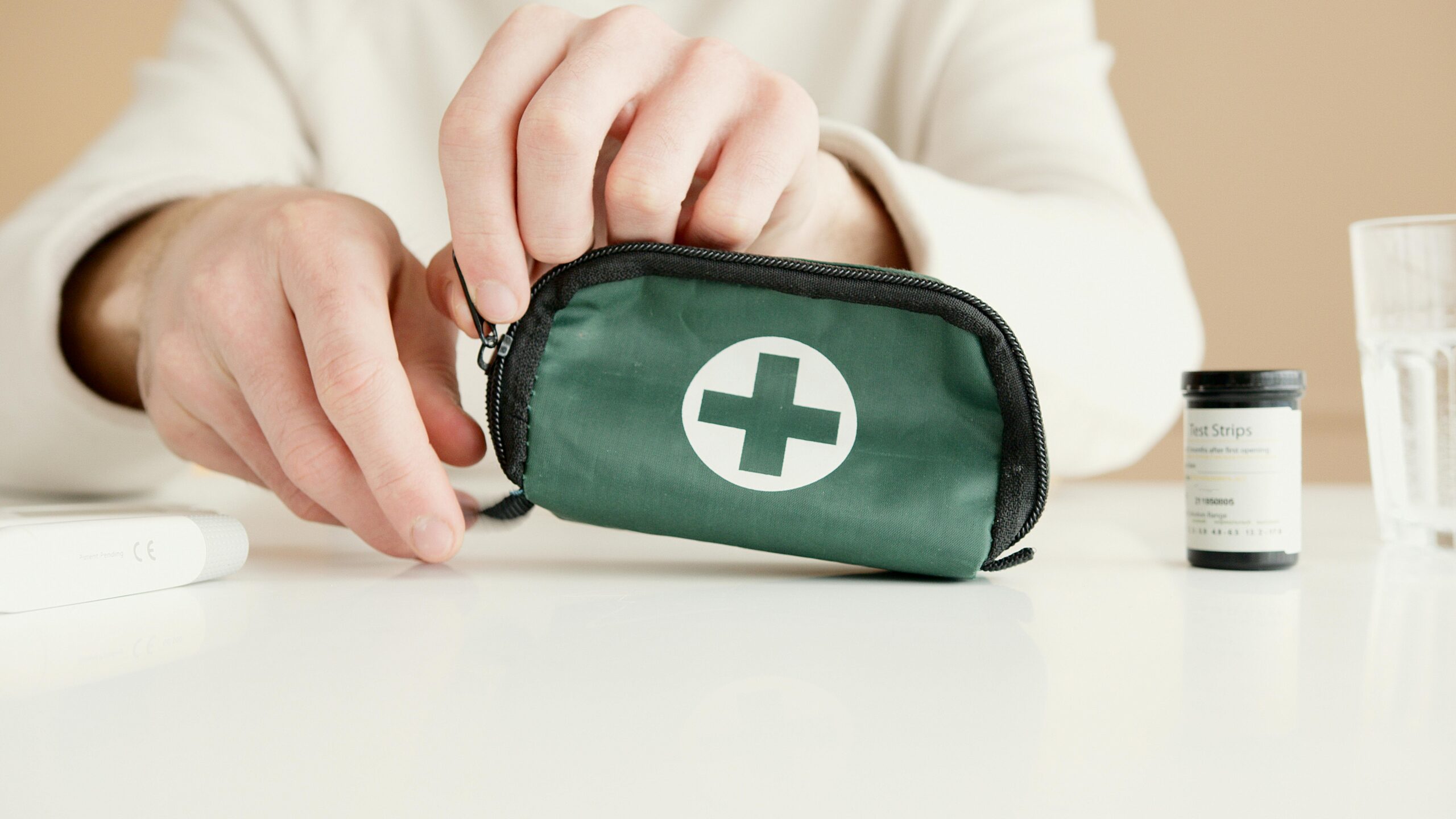
While technology and well-equipped first aid kits are invaluable, relying solely on gadgets without basic first aid knowledge is a mistake. A fancy medical kit is no substitute for essential first aid skills like CPR, wound management, and shock prevention.
5. Not Being Prepared for Weather-Related Issues
Outdoor environments are unpredictable. Many first aid errors stem from being unprepared for the weather, such as failing to recognize the early signs of hypothermia or heatstroke. Proper clothing, hydration, and understanding weather-related health risks are crucial.
6. Inappropriate Wound Care
Cleaning a wound with dirty water can introduce infections, turning a simple cut into a life-threatening problem. Always use clean, disinfected water or appropriate antiseptic wipes for cleaning wounds.
Tips to Avoid These Mistakes
Maintain up-to-date knowledge and training
Regularly refresh your first aid skills through accredited courses. This training should cover CPR, wound care, splinting, and environmental injury management.
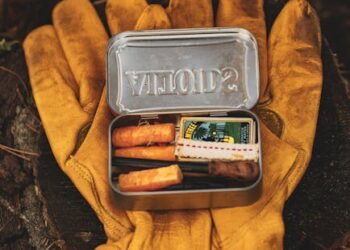
Carry a well-stocked first aid kit
Ensure your kit contains appropriate supplies for the specific environment and duration of your trip. Check and replenish it regularly.
Practice situational awareness
Always be aware of your surroundings and potential risks. This awareness can prevent accidents and ensure you are better prepared to handle unexpected situations.
In Conclusion
Making a mistake in a crucial moment can be the difference between a successful resolution and a worsened situation. By understanding and avoiding these common errors, you can become a competent first-responder, capable of effectively handling emergencies, thus ensuring the safety and enjoyment of your outdoor adventures.
Remember, the key to efficient outdoor first aid is preparation, the right knowledge, and the confidence to apply your skills when needed. Stay safe and enjoy the great outdoors!