Unlocking the Secrets of the Grid Down Medical Preparedness Guide: Essential Tips for Survival
In today’s world, being prepared for any emergency, especially a grid-down scenario where traditional medical facilities might be unavailable, is more important than ever. Whether due to natural disasters or other unforeseen situations, knowing how to handle medical issues when professional help isn’t around could literally mean the difference between life and death. This guide will delve into essential tips and practical steps to enhance your medical preparedness for such events, ensuring that you and your loved ones remain safe and healthy.
Understanding Grid Down Scenarios
What is a Grid Down Scenario?
A grid-down scenario refers to an event that causes a prolonged power outage affecting a large geographical area. This could result from natural disasters such as hurricanes and earthquakes, or human-made causes like cyber-attacks on the power grid. The loss of electricity impacts various systems critical for daily living, including healthcare services.
Why Prepare for a Grid Down Event?
Preparation can drastically reduce the risk and impact of injuries or illnesses during such crises. Without access to doctors, hospitals, or pharmacies, even minor health issues can become dangerous. Being prepared means having the knowledge and supplies to address these challenges confidently.
Key Elements of Medical Preparedness
1. Basic First Aid Skills
One of the first steps in medical preparedness is acquiring basic first aid skills. Knowing how to treat minor wounds, manage sprains, and perform CPR can be invaluable. Many organizations offer first aid training, and taking at least one course is highly recommended.
2. Stocking Essential Supplies
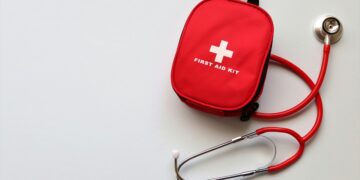
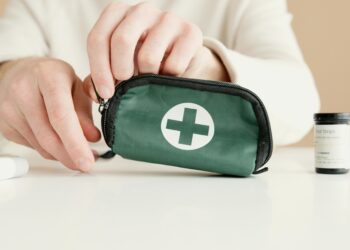
Your medical kit should include items such as bandages, antiseptics, a variety of over-the-counter medications, prescription medications if necessary, and tools like tweezers and scissors. Remember to check these supplies regularly and replace any that expire.
3. Understanding Common Medical Needs
Identify the most common medical issues you might face and learn how to handle them. This includes understanding allergies, asthma, and other chronic conditions. Ensure that you have necessary supplies and medications to manage these conditions during a grid down situation.
Developing a Medical Preparedness Plan
Step-by-Step Guide
- Assess Risks: Evaluate potential health risks for you and your family. Consider everyone’s unique medical needs.
- Education: Invest time in learning more about handling medical emergencies. The more educated you are, the better you can manage with limited resources.
- Gather Supplies: Build a comprehensive medical kit based on your assessed needs.
- Create Protocols: Establish clear procedures for different types of emergencies. Educate all family members about these protocols, ensuring everyone knows what to do even in stressful situations.
- Practice Runs: Regular drills can make a significant difference in actual emergencies. Practice what you’ve learned with your family to ensure everyone is prepared.
Communication is Key
In any crisis, maintaining communication is critical. Discuss your plans and procedures with your family and ensure everyone understands their role in an emergency. Also, consider how you will communicate with external parties like neighbors or local emergency services if the need arises.
Advanced Preparations for Specific Diseases
Dealing with Chronic Illnesses
If you or a family member has a chronic illness, ensure enough medication is stocked for an extended period. Research alternative management strategies that might be employed if medications run out. This could include dietary adjustments or alternative therapies.
Handling Infectious Diseases
Infectious diseases can become a significant concern in a grid-down situation. Implementing strict hygiene protocols and isolation strategies will be crucial for preventing disease spread. Educate yourself about the symptoms and management of common infectious diseases to better prepare for containing any outbreaks.
Emphasizing Mental Health and Wellness
Stress Management Techniques
Mental health is just as important as physical health, especially in critical conditions. Learn stress management techniques such as mindfulness or basic meditation practices. Keeping a calm and positive mindset can significantly affect your ability to cope with and manage emergency situations.
Creating a Supportive Environment
Building a supportive environment plays a crucial role in mental and emotional well-being. Encourage open conversations among family members about fears, hopes, and responsibilities. The stronger your bond, the more effectively you can work as a team during emergencies.
Conclusion: Putting Knowledge Into Practice
Unlocking the secrets of grid down medical preparedness is not just about stockpiling goods but developing a comprehensive understanding and set of skills to deal with any medical emergency. By following the essential tips laid out in this guide, not only will you enhance your readiness, but you’ll also contribute positively to the safety and well-being of your family and community. Start preparing today, and approach the future with confidence and peace of mind.