Unlocking the Secrets of Long-Term Food Sourcing Off Grid
Imagine stepping away from the bustling world, minimalist living among nature, independent and self-sufficient. For many, the allure lies in not just escaping the fast pace of modern life but in embracing a sustainable, environmentally friendly lifestyle. A critical element of making this dream a reality involves understanding long-term food sourcing off-grid. Whether you’re planning to live off-grid temporarily or make a permanent shift, knowing how to source and manage your food supplies is essential.
Understanding Off-Grid Food Sourcing
At its heart, off-grid living means no supermarket around the corner, no fast food restaurant delivery — it’s just you and nature. The key to thriving in these conditions is planning and diverse methods of food acquisition. Here, sustainability isn’t just a buzzword; it’s about survival.
Foraging for Food
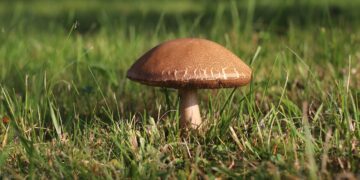
Foraging is the ancient art of collecting wild food. It’s not just about picking berries; it involves knowing the landscape, understanding seasonal cycles, and respecting the ecosystem. Beginners should always start with a local foraging tour or with guides who can teach them about safe and ethical foraging practices.
Gardening and Permaculture
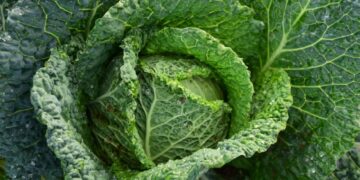
Growing your own food is a cornerstone of long-term survival off-grid. Permaculture — a method of agriculture that focuses on mimicking natural ecosystems — can be particularly effective. It emphasizes biodiversity, the recycling of plant matter, and the nourishment of the soil, allowing you to grow a variety of fruits, vegetables, and herbs sustainably.
Hunting and Fishing
For protein sources, hunting and fishing can be viable options, depending on local regulations and populations of wildlife and fish. These practices not only require skill but also a deep understanding of conservation principles to ensure that wildlife populations remain stable.
Planning Your Food Storage and Preservation
Unless you plan on daily foraging, hunting, or harvesting, you’ll need robust storage and preservation tactics. Here’s how to keep your pantry well-stocked, no matter the season.
Canning and Pickling
Canning and pickling are age-old methods of food preservation that involve sealing cooked food in sterile jars or fermenting food in brine. This can extend the shelf-life of fruits, vegetables, and even meats for months.
Drying and Smoking
Drying removes moisture from food, preventing the growth of bacteria, while smoking adds flavor and enhances preservation. Both methods are excellent for meats, fruits, herbs, and vegetables.
Root-cellaring
Root cellaring uses the natural cool, humid conditions of a buried cellar to store fruits and vegetables. This method is energy-efficient as it does not require electricity, unlike modern refrigeration.
Building Knowledge and Skills
Gathering and preserving food while living off-grid isn’t just about technique; it’s also about knowledge and skills. Engage with these learning avenues:
Local Workshops and Community Classes
Many communities offer classes on sustainable practices like permaculture design, canning, or hunting. These classes can provide hands-on experience and networking opportunities with seasoned off-gridders.
Books and Online Resources
There is a wealth of information available in books and online that can guide you through the complexities of off-grid living. Resources like “The Encyclopedia of Country Living” by Carla Emery or websites dedicated to sustainable living can be invaluable.
Adapting to Challenges and Planning for Sustainability
Living off the grid is not without its challenges. Weather conditions, wildlife, and crop failures are just a few issues you might face. Here are some tips to ensure you can meet these challenges head-on:
Adapt and Rotate Crops
To protect your food supply from pests and diseases, rotate your crops each season. This means planting different crops in different sections of your garden each year to prevent soil depletion and reduce pest accumulation.
Implement Renewable Energy Sources
Consider solar-powered solutions for refrigeration or fencing, which can protect your garden from animals, ensuring your sustainability goals align with your energy consumption.
Engage with the Community
Building relationships with local off-gridders or sustainability enthusiasts can offer support. Communities often share resources, seeds, breeding stock, and expertise that can be crucial in times of need.
Conclusion: Embracing a Self-Sufficient Lifestyle
Embarking on an off-grid journey requires more than just courage and a love for nature; it demands knowledge, preparation, and a connection to the environment. By understanding the basics of food sourcing, storage, and skill-building, you can move beyond mere survival and towards a thriving, sustainable lifestyle. Remember, the goal isn’t just to live off the grid but to flourish within it.