Unlock the Secrets of Your Perfect Off-Grid Outdoor Kitchen Setup
Imagine preparing a delicious meal for your friends and family outdoors, surrounded by nature’s beauty, without relying on traditional utilities. This scenario isn’t just a dream—it’s entirely possible with an off-grid outdoor kitchen. Whether you’re a camping enthusiast, looking to enhance your backyard, or planning a sustainable living setup, building an off-grid outdoor kitchen can elevate your culinary experiences while connecting with nature.
Understanding the Basics of Off-Grid Outdoor Kitchens
An off-grid outdoor kitchen operates without the standard electricity and gas lines that power typical kitchens. Instead, it uses alternative energy sources and sustainable practices to handle cooking, refrigeration, and washing needs. It’s not only eco-friendly but also a great way to embrace outdoor living.
Key Components
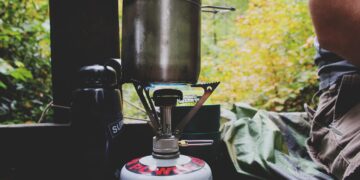
- Cooking Stations: Options include solar ovens, wood-fired grills, or propane stoves.
- Refrigeration: Solar-powered refrigerators or ice chests can be used depending on your budget and requirements.
- Lighting: Solar lanterns and battery-powered lights offer illumination after sunset.
- Water System: Rainwater collection systems or portable water filters ensure a clean water supply.
Energy Sources
Key energy sources include solar power, propane, or wood. Choosing the right energy source depends on your location, climate, and cooking preferences.
Planning Your Off-Grid Outdoor Kitchen
Designing an efficient and comfortable kitchen involves strategic planning and understanding the environment you’re working in.
Location and Layout
Choose a location that maximizes natural light and is protected from harsh winds. The layout should be compact but functional, allowing easy movement between cooking, cleaning, and storage areas.
Materials and Equipment
Use durable, weather-resistant materials that blend with the natural surroundings. Stainless steel is a great option for most kitchen fixtures and utensils due to its durability.
Sustainability Practices
Incorporating sustainability into your kitchen design not only helps the environment but also ensures efficiency. Use reclaimed wood for construction, compost food waste, and conserve water where possible.
Building and Equipping Your Kitchen
With a thoughtful design in hand, the next step is building and outfitting your kitchen.
Constructing Structures
If you’re building from scratch, structures like countertops, shelves, and fire pits should be solid and securely anchored. Consider easy-to-assemble modular units for flexibility.
Must-Have Tools and Equipment
Key items include a high-quality knife set, portable stove, durable cookware, and ample storage containers. Opt for multi-functional tools to conserve space and increase efficiency.
DIY Tips
Engage in DIY projects to personalize your space. Building homemade furniture or creating a stone path can add unique touches to your kitchen.
Maintaining and Enjoying Your Outdoor Kitchen
The true joy of an off-grid outdoor kitchen lies in its use and the lifestyle it supports. Regular maintenance and adjustments based on seasonal changes are crucial for longevity.
Routine Cleaning and Upkeep
Regular cleaning of surfaces and equipment prevents wear and tear. Seasonally inspect and replace any worn-out parts.
Adapting to the Seasons
Prepare for seasonal changes by installing temporary covers or wind shields. This adaptability ensures year-round functionality.
Cooking and Hosting Tips
- Experiment with local, seasonal ingredients for a fresh and exciting menu.
- Organize outdoor dining areas with comfortable seating and ambient lighting to enhance the experience.
Common Questions about Off-Grid Outdoor Kitchens
How do I manage waste in an off-grid kitchen?
Implement a waste separation system, use biodegradable products, and establish a composting area.
Is it expensive to set up an off-grid outdoor kitchen?
The cost can vary widely based on materials, equipment, and whether you DIY or hire professionals. Starting simple and gradually adding features is a budget-friendly approach.
Conclusion
Building your ideal off-grid outdoor kitchen is a deeply rewarding project that enhances your connection with the environment and provides a unique way to enjoy cooking. By planning carefully, choosing sustainable options, and maintaining your space, you’ll create a functional, enjoyable outdoor retreat that offers freedom and flexibility. Start small, think sustainably, and enjoy the boundless opportunities of outdoor culinary adventures!