Ultimate Guide to Urban Prepping: Ensuring Your Safety in the City
In the bustling hubs of city life, ensuring your safety can often seem daunting. Whether you’re navigating daily commutes or rare emergencies, being prepared is key. This guide brings city dwellers comprehensive insights into urban prepping, offering actionable steps to enhance your safety and peace of mind amidst the urban chaos.
Understanding Urban Prepping
Urban prepping goes beyond the conventional wisdom of survival skills; it integrates daily preparedness into your city lifestyle. Recognizing threats specific to urban environments—such as crowding, higher crime rates, or potential disasters—urban prepping involves strategic planning and resource management to ensure you can handle any situation with confidence.
Key Areas of Focus
- Personal Safety: Developing skills and strategies to protect oneself from urban crime or accidents.
- Emergency Preparedness: Equipping oneself with the necessary tools and knowledge to handle natural disasters or sudden societal disruptions.
- Sustainable Living: Adopting practices that help maintain a long-term, safe, and sustainable lifestyle in urban settings.
How to Start with Urban Prepping: Basic Steps
Beginning your journey into urban prepping doesn’t require drastic changes. Here are some fundamental steps that ease the process, helping you build a reliable safety net within your city lifestyle.
Step 1: Assess Your Risks
Identifying your biggest urban threats is crucial. Whether it’s natural disasters like floods or earthquakes frequent in your area, or human-made risks such as burglaries, understanding these helps tailor your preparedness plan effectively.
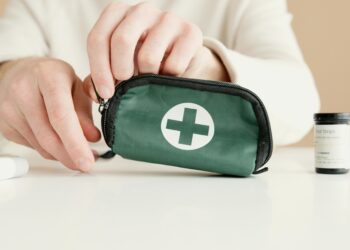
Step 2: Build an Emergency Kit
As essential as your daily bag but packed with more critical survival gear. A well-prepared kit includes:
- Water (one gallon per person per day for several days, for drinking and sanitation)
- Non-perishable food (enough for at least three days)
- Battery-powered or hand-crank radio and a NOAA Weather Radio with tone alert
- Flashlight, first-aid kit, extra batteries
- Whistle (to signal for help)
- Dust mask (to filter contaminated air)
- Plastic sheeting and duct tape (to shelter in place)
- Moist towelettes, garbage bags, and plastic ties (for personal sanitation)
- Wrench or pliers (to turn off utilities)
- Manual can opener (for food)
Step 3: Plan Your Evacuation Routes
Knowing how to safely exit your home or workplace can save your life during emergencies. Map out multiple routes and familiarize yourself with your city’s emergency procedures.
Step 4: Stay Informed
Keeping updated on city news, weather forecasts, and local alerts can help you act swiftly in a crisis. Apps and online services can provide real-time updates that are invaluable during emergencies.
Advanced Urban Prepping Techniques
Once you’ve mastered the basics, consider these advanced strategies to further enhance your preparedness.
Self-Defense Training
Urban areas often have higher crime rates. Engaging in self-defense classes can not only boost your physical capability to protect yourself but also your confidence.
Community Involvement
Joining local safety groups or workshops not only aids in building your network but also equips you with communal resources and collective knowledge.
Technological Tools for Safety
Use technology to your advantage. Smartphones, GPS devices, and other gadgets can serve multiple survival purposes from navigation to emergency communication.
Common Mistakes in Urban Prepping
Avoid these frequently overlooked pitfalls to ensure your urban preparedness is airtight.
Neglecting to regularly update your emergency kit
An outdated kit might lack essential, functioning equipment when you most need it. Regular checks and updates are crucial.
Underestimating the need for physical and mental readiness
In the face of an emergency, physical stamina and mental clarity are as important as any tool in your kit. Regular exercise and stress management practices can prepare you not just to survive, but to thrive.
Tailoring Prepping to Your Urban Lifestyle
Every city dweller has unique needs. Customize your prepping strategies to fit your lifestyle—whether you’re a stay-at-home parent, a daily commuter, or a student. This makes your plan more relevant and easier to integrate into your daily routine.
Engaging Examples of Urban Prepping
Consider a young professional in New York City who keeps a portable charger, emergency contacts, and a first aid kit in her everyday carry-on, or a family in San Francisco who participates in annual earthquake drills and keeps their gas tank at least half-full.
Final Thoughts: Staying Prepared and Optimistic
Urban prepping is not about living in fear but about enhancing your ability to handle whatever life throws your way with competence and confidence. By integrating these practices into your lifestyle, you ensure that you’re safeguarding not just yourself but also contributing to the resilience of your community. Start small, stay consistent, and build your urban preparedness one step at a time.