Ultimate Guide to Packing Your Survival Medical Supplies Checklist
When preparing for the unexpected, packing an effective survival medical kit is as crucial as food and water storage. Whether you are gearing up for a wilderness adventure or setting up a home emergency preparedness system, knowing what to include in your medical supplies can make a significant difference in managing health crises during emergencies. This comprehensive guide will walk you through creating a tailored survival medical supplies checklist that ensures you’re well-equipped for minor injuries to more severe health issues.
Understanding the Basics of a Survival Medical Kit
A survival medical kit is more than just a box of band-aids and some antiseptic cream. It’s a well-thought-out collection of items that can help you address a range of medical issues, from cuts and bruises to potentially life-threatening conditions. The key is to balance between having enough supplies to handle serious injuries without overpacking.
Essential Categories in Your Medical Kit
- General Supplies: These include items like bandages, gauze, adhesives, and scissors.
- Medications: This section covers both prescription medications you might need, as well as common over-the-counter drugs like painkillers, allergy medications, and anti-diarrheal pills.
- Specialized Tools: Items such as tweezers, thermometers, splints, and tourniquets fall under this category.
- Hygiene and Protection: This includes hand sanitizers, insect repellents, sunscreens, and masks.
Factors to Consider
Several factors affect the composition of your survival medical kit:
- Duration and Location: The length of your trip and the remoteness of your location can determine how extensive your kit needs to be.
- Specific Health Needs: Include any personal medications or supplies for chronic conditions.
- Climate and Environment: Consider climate-specific items such as sunburn spray in desert areas or hypothermia blankets in colder regions.
- Group Size: More people mean more supplies.
Compiling Your Survival Medical Checklist
Here’s an illustrative guide on what to include in your survival medical kit:
Core Medical Supplies
- Adhesive Bandages of various sizes for minor cuts and scrapes.
- Sterile Gauze Pads and Gauze Rolls for larger wounds.
- Antiseptic Wipes and Creams to disinfect injuries.
- Medical Tape for securing gauze and bandages.
- Scissors and Safety Pins for cutting and fastening.
- Elastic Wraps for sprains and strains.
- Pain Relievers, like acetaminophen or ibuprofen, and Antihistamines for allergic reactions.
- Antibiotic Ointment to prevent infection in wounds.
- Hydrocortisone Cream to soothe rashes and skin irritations.
Additional Items for Comprehensive Preparedness
- Tweezers for removing splinters and ticks.
- Thermometer to check for fevers.
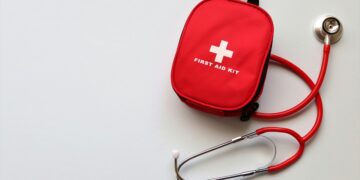
- Blood Pressure Cuff and stethoscope for those knowledgeable in their use.
- Saline Solution for eye washing or wound cleaning.
- Instant Cold Packs for reducing swelling.
- Thermal Blankets to retain body heat in cold conditions.
Personalizing Your Kit
Customize your kit based on specific health conditions of group members, such as including an inhaler for asthma or EpiPens for severe allergic reactions. Additionally, consider the skills and knowledge about medical treatment within your group.
Maintaining Your Kit
Regular Updates
Check your kit bi-annually. Replace expired items, replenish supplies that have been used, and update your kit as your group’s needs change.
Storage and Accessibility
Store your medical supplies in a cool, dry place, readily accessible in an emergency but out of the reach of young children. Waterproof bags or containers with clear labels enhance organization and efficiency in urgent situations.
Conclusion: Preparedness is Key
Your survival medical kit can be a lifeline during emergencies. By carefully assembling a set of well-thought-out supplies, checking and maintaining them regularly, and tailoring the contents to the specific needs of your situation and group, you can ensure that you are as prepared as possible for any eventuality. Remember, the best survival tool is knowledge paired with practical resources. Stay safe, and equip yourself to handle life’s uncertainties with confidence.
Now you’re ready to build your survival medical kit! Keep this checklist handy, and customize it to match your adventure or emergency preparedness plan. The peace of mind knowing you are well-prepared is invaluable.