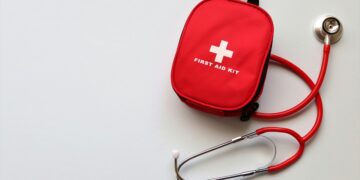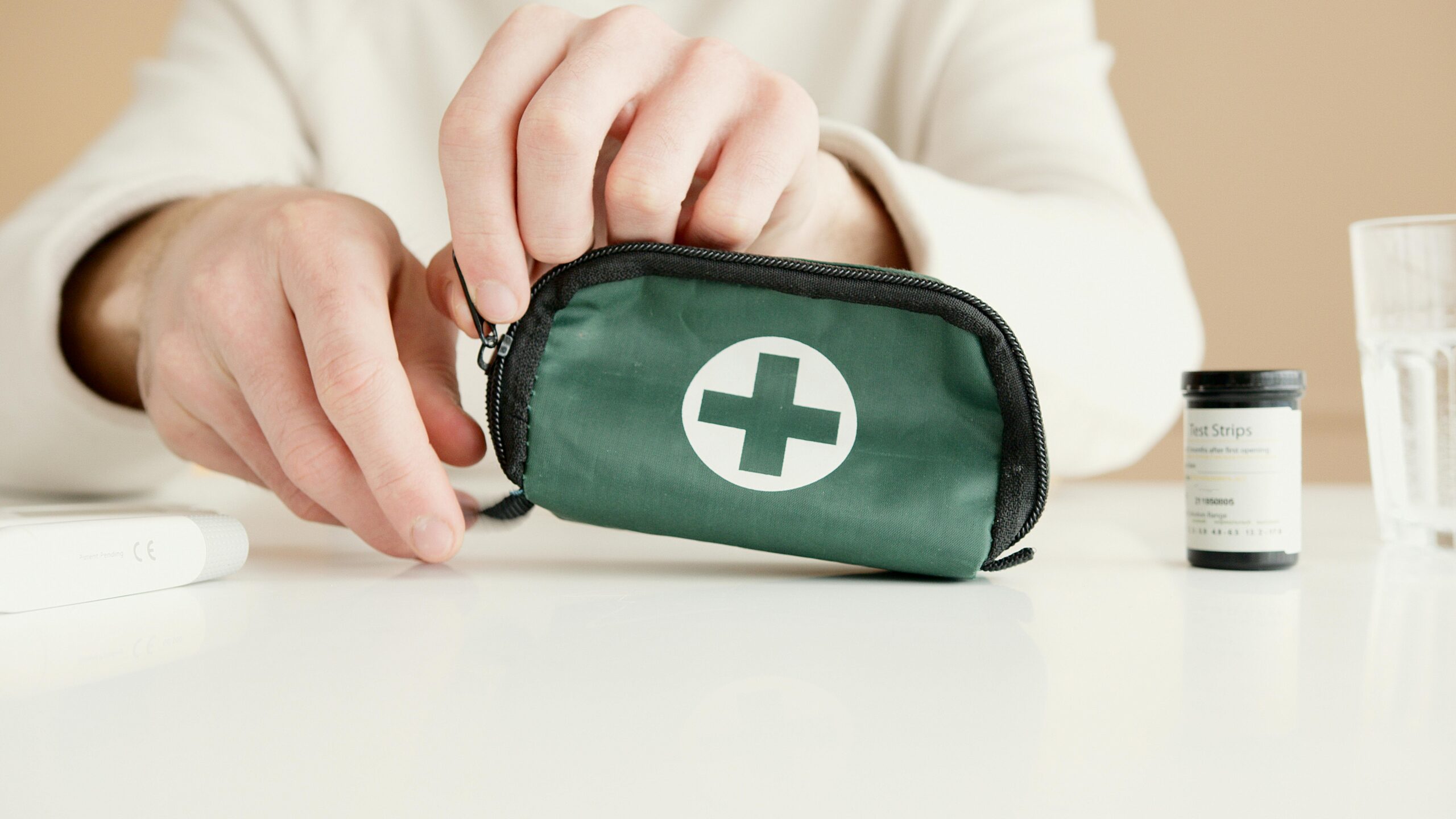
Ultimate Guide to Packing Your Survival Medical Kit for Camping
When venturing into the great outdoors, being prepared is not just a motto, but a necessity. Whether you’re planning a serene weekend in the woods or a rugged mountain hike, packing a well-equipped survival medical kit can make all the difference in emergencies. This guide will help you pack a comprehensive yet practical medical kit tailored for any camping adventure.
Understanding the Basics: Why a Medical Kit?
A well-prepared medical kit can handle minor injuries on the spot and stabilize serious conditions while you seek professional help. Remember, the goal of your medical kit is to manage potential situations effectively until you can get expert medical attention.
Essential Components of a Survival Medical Kit
Every camping trip is unique, but certain essentials should always be included in your medical kit:
1. Wound Care Supplies
Handling cuts and scrapes promptly can prevent infections and other complications:
- Antiseptic wipes: For cleaning wounds before dressing them.
- Various sized bandages: Including adhesive bandages, gauze pads, and butterfly closures.
- Antibiotic ointment: Helps prevent infection.
- Medical tape: Secures gauze and bandages.
2. Tools and Instruments
Having the right tools can make all the difference in effectively administering first aid:
- Scissors: For cutting tape, cloth, or emergency clothing alterations.
- Tweezers: Essential for removing splinters or debris from wounds.
- Thermometer: A digital or mercury-free one to check for fevers.
3. Medications
Include a range of basic medications to deal with common illnesses and discomforts:
- Pain relievers: Such as ibuprofen or acetaminophen.
- Anti-diarrheal medication: Important if faced with gastrointestinal issues.
- Allergy medications: Antihistamines for unexpected allergic reactions.
4. Specialty Items
Depending on the nature and duration of your trip, consider these additional items:
- Snake bite kit: If camping in snake-prone areas.
- Burn gel: For treating minor burns.
- Water purification tablets: In case you run out of clean water.
Personalizing Your Kit
Your survival medical kit should also be personalized to the specific needs of anyone in your camping group:
- Prescription Medications: Ensure to carry a sufficient supply.
- Chronic Condition Supplies: Such as asthma inhalers or insulin.
- Kid-friendly products: If camping with children, include appropriate medications and dosages.
Packing Tips
How you pack your medical kit is just as important as what you include inside it:
- Compact and Portable: Use a durable, waterproof bag to keep the contents safe and dry.
- Accessibility: Keep your medical kit in an easily accessible location.
- Check Regularly: Replace any used or expired items and keep the kit up to date.
Practice Makes Perfect
Simply having a medical kit isn’t enough; knowing how to use it confidently is crucial:
- First Aid Training: Consider basic first aid training for yourself and other members of your group to handle emergencies more effectively.
- Familiarize Yourself: Make sure everyone knows what’s in the kit and how to use its contents.
Troubleshooting Common Issues
Here are quick fixes for usual camping health annoyances:
- Dealing with Blisters: Use moleskin or medical tape over hot spots before blisters develop.
- Insect Bites: Apply hydrocortisone cream or calamine lotion to soothe itching.
- Minor Burns: Cool the burn under running water, then cover with clean, dry dressing.
Conclusion: Ready, Set, Camp!
Now that you’re equipped with the knowledge to pack a robust survival medical kit tailored for your needs, you’re all set for a safer and worry-free camping experience. Remember, the best trips are those where memories are made safely, so pack smart and enjoy the beauty of the outdoors with peace of mind.