Ultimate Guide to Emergency Preparedness for Remote Areas: Stay Safe and Ready!
Preparing for emergencies is crucial, especially in remote areas where help might be hours away. Whether you’re living in a secluded cabin, working on distant sites, or simply enjoying the tranquility of nature far from the city, being ready for the unexpected ensures peace of mind and, more importantly, survival. This comprehensive guide will walk you through essential steps to prepare for various emergencies while residing in or traveling through remote locations.
Understanding the Challenges of Remote Areas
Remote areas often come with unique challenges that impact emergency preparedness. Limited access to immediate medical services, delayed rescue operations, and fewer communication options are just a few obstacles you might encounter. Recognizing these potential issues is the first step in crafting an effective emergency plan.
Natural Risks in Secluded Zones
Remote regions can be prone to specific natural disasters like wildfires, floods, or severe storms. Understanding the risks specific to your area can help tailor your emergency plan accordingly.
Key Elements of Emergency Preparedness
To be adequately prepared, consider these vital aspects of readiness: information, communication, supplies, and self-sufficiency.
Gathering Critical Information
Stay informed about the types of emergencies that could occur in your area. Utilize resources like local emergency management offices or community safety organizations to gather accurate information and tips.
Effective Communication Strategies
In remote locations, usual communication methods might be unreliable. Satellite phones, emergency radios, or even simple signal flares become invaluable tools for staying connected or alerting rescue authorities.
Building an Emergency Kit
Your emergency kit should be comprehensive yet customizable based on personal needs and local risks. Here’s a quick checklist for a basic kit:
- Water (one gallon per person per day for at least three days)
- Non-perishable food (a three-day supply for evacuation, a two-week supply for home)
- Flashlights and extra batteries
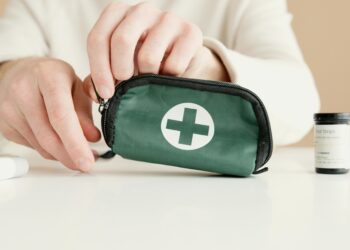
- First aid kit
- Multipurpose tools, like a Swiss Army knife
- Local maps and a compass (since GPS might not be available)
- Battery-powered or hand-crank radio
Practicing Self-sufficiency
Learning basic survival skills such as first aid, fire-making, or shelter-building can be life-saving, particularly if help is delayed. Regularly practicing these skills will increase your confidence and competence in managing emergencies.
Planning for Different Types of Emergencies
Each emergency scenario requires a unique approach. Here’s how you can prepare for the most common types:
Wildfires
If you live in an area susceptible to wildfires, maintain a defensible space around your home by clearing away brush and other combustible materials. Plan multiple escape routes in case your primary path is blocked.
Severe Weather
For storms or severe weather, reinforce your home by installing storm shutters and securing loose items that could be thrown around by high winds. Have a safe room or a specific area that’s well-protected.
Medical Emergencies
Given the distance from hospitals, include comprehensive first aid supplies in your kit and consider training in basic medical procedures like CPR and wound care.
Maintaining Your Readiness
Preparedness is not a one-time effort but a continuous process. Regularly review and update your emergency plans and supplies. Test your knowledge and skills with drills, and stay informed about new safety technologies or insights that could enhance your preparedness.
Annual Checklist
Once a year, run through this checklist:
- Check the expiration dates on food and medical supplies.
- Verify that all electronic devices are functional and batteries are fresh.
- Review and practice your emergency plans with all family members.
- Refresh your skills with new training or information sessions.
Using Technology to Enhance Preparedness
Technology offers various tools that enhance emergency preparedness. Apps that send weather alerts, websites providing safety tips, or online courses in survival skills are all valuable resources. Leverage these to stay one step ahead.
Conclusion: Confidence Through Preparedness
Being prepared allows you to manage and mitigate risks effectively, especially in remote areas where each minute counts. By crafting a comprehensive emergency plan and maintaining your readiness, you ensure that you and your loved ones can face unexpected situations with confidence. Remember, the key is not to fear the future but to be ready for it.