Ultimate Guide to Emergency Preparedness for Campers: Stay Safe in the Wild
Camping offers an excellent chance for adventure and solitude in nature’s embrace. However, the wild, while beautiful, can present unforeseen challenges and dangers. Being prepared for emergencies is crucial for any camper, from beginners to seasoned wilderness explorers. This guide provides practical tips and essential knowledge to help you stay safe while enjoying the great outdoors.
Understanding the Basics of Emergency Preparedness
Before heading out into the wild, understanding the fundamentals of emergency preparedness can significantly enhance your safety and enjoyment. Preparation begins long before you set up your tent.
Research and Planning
Thoroughly research your camping destination. Understand the weather patterns, terrain, wildlife, and any recent changes in the environment such as flooding or forest fires. Planning includes mapping your route, calculating your travel time, and being aware of any natural hazards.
Essential Camping Gear
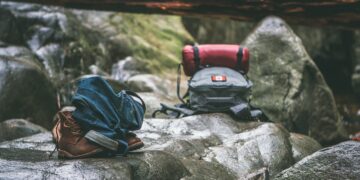
Equip yourself with essential camping gear that includes:
- A reliable tent and sleeping bag suitable for the weather conditions
- A backpack filled with enough food and water supplies
- Cooking equipment and utensils
- Navigation tools such as a map, compass, or GPS device
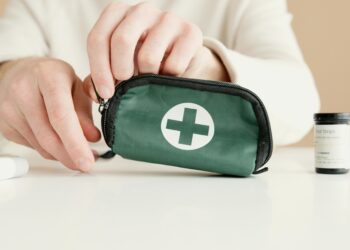
- A first-aid kit tailored to your group’s specific needs
- Communication devices such as a fully charged mobile phone or a satellite phone
- Multi-tool or a Swiss army knife
Leave No Trace Principles
Adhering to the Leave No Trace principles not only preserves the environment but also ensures your safety. This approach includes disposing of waste properly, respecting wildlife, and minimizing campfire impacts among others.
Steps to Handle Emergencies in the Wild
Despite thorough planning, emergencies can happen. Knowing how to handle these situations is crucial.
Getting Lost
If you find yourself lost, stay put to avoid worsening the situation. Use your whistle or mirror to signal for help. Stay visible by making a temporary camp if you are stranded for a prolonged period.
Injuries and Health Issues
For injuries, a well-stocked first-aid kit is your first line of defense. Learn basic first aid procedures such as how to treat sprains, cuts, and burns. In case of serious health issues, call for emergency services immediately if possible.
Wildlife Encounters
Understanding how to deal with wildlife is essential. Store food in bear-proof containers and hang your food at least 10 feet off the ground. In case of an encounter, remain calm, slowly back away and try to make yourself look larger.
Advanced Preparation Techniques
Enhance your emergency preparedness with these advanced techniques.
Survival Skills Training
Consider taking a course in survival skills or wilderness first aid. Practical skills such as how to start a fire without matches, finding water sources, or building a shelter can be invaluable.
Emergency Survival Kit
Assemble an emergency kit that includes items like a fire starter, extra food and water, a space blanket, and a headlamp. Tailor your kit based on the duration and location of your camping trip.
Mental Preparedness
Mental resilience can be key in emergencies. Practice staying calm and make rational decisions under pressure by preparing mentally through visualization and other mental exercises.
Incorporating Technology for Safety
GPS and Satellite Communicators
GPS devices can guide you on your path and help you retrace your steps if lost. Satellite communicators or beacons can be essential when you need to call for help from remote locations where mobile phones might not work.
Mobile Apps for Emergency Preparedness
Various mobile apps are available to help with navigation, first aid, or even plant identification. Apps like Gaia GPS for maps or SAS Survival Guide, which offers survival tips, can be handy.
Knowing how to be prepared and manage emergencies can make your camping safer and more enjoyable. Equip, educate, and embrace your adventure while staying safe in the wild. Prepare thoroughly, understand and mitigate risks, and you’ll be set to enjoy the beauty and thrill of nature with confidence.