Ultimate Guide to Emergency Preparedness for Campers: Essential Tips and Strategies
When embarking on a camping adventure, the thrill of exploring the great outdoors often takes center stage. However, it’s essential to balance this excitement with a solid plan for safety. That’s where the Ultimate Guide to Emergency Preparedness for Campers: Essential Tips and Strategies comes in—a crucial resource for any camper, whether new or seasoned.
Introduction to Camping Safety
Camping often means venturing into remote areas where emergency services might not be readily available. Being equipped with the right knowledge and tools can dramatically increase your safety and enjoyment. This guide covers everything you need to know, ensuring you can handle unexpected situations effectively.
Understanding the Basics of Emergency Preparedness
Knowing Your Environment
Before you even pack your backpack, do thorough research on your camping destination. Understand the common risks associated with the area. Are there wild animals? Is the terrain rocky and uneven? What are the typical weather patterns? Knowledge is power, and in nature, it’s your best ally.
Making a Plan
- Communication Strategy: Ensure someone knows your plans. Share your itinerary and expected return time.
- Emergency Contacts: Have a list of local emergency numbers, including the nearest ranger station, hospital, and police station.
- Exit Strategy: Always plan an escape route in case of emergencies.
Essential Emergency Kit: What to Pack
Your emergency preparedness kit should contain the following essentials:
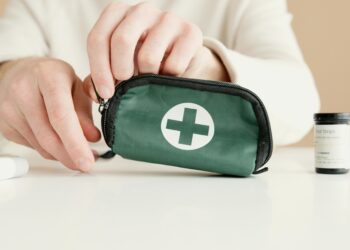
- First Aid Kit: Include bandages, antiseptic wipes, and specific medications.
- Navigation Tools: A physical map and compass are indispensable, as technology may fail.
- Water and Food Supplies: Enough for an extra day at least. Include high-energy, non-perishable items.
- Weather-Appropriate Clothing: Hypothermia can be a danger even in mild climates.
- Multipurpose Tools: A Swiss Army knife or a multi-tool can be incredibly handy.
- Lighting: Headlamps or flashlights with extra batteries.
- Fire Starting Materials: Waterproof matches, lighter, and tinder.
Special Consideration: Personal Needs
Consider any special medical needs like asthma inhalers or EpiPens. Tailor your emergency kit to ensure these items are easily accessible.
Reacting to Specific Emergencies
Weather-Related Precautions
Dealing with Extreme Conditions:
- Heatwaves: Stay hydrated and find shade during peak heat.
- Cold Snaps and Snow: Layer clothing and maintain dryness to avoid hypothermia.
Wildlife Encounters
If you Encounter Large Animals:
- Stay Calm: Keep your distance and do not run.
- Avoid Eye Contact: Act submissive and slowly back away.
- Make Yourself Large: If attacked, try to appear bigger and be loud.
Getting Lost
Steps to Follow if Disoriented:
- Stop Moving: Continuing often leads to getting further lost.
- Use Your Navigation Tools: Check your map and compass.
- Stay Visible: Use bright clothing or items to make yourself more visible.
Injury Management
Basic First Aid Tips:
- Cuts and Scrapes: Clean and bandage to prevent infection.
- Sprains or Fractures: Immobilize the injury, keep it elevated, and apply cold packs.
Setting up an Emergency-Ready Campsite
Choosing a Safe Spot
- Avoid Hazard Zones: Stay clear of dead trees, river banks, and other potentially dangerous spots.
- Consider Accessibility: Ensure you can leave quickly if needed.
Preparing Emergency Signaling Systems
Flags, mirrors, and whistles can attract rescuers’ attention. Know how to use them properly.
Conclusion
The Ultimate Guide to Emergency Preparedness for Campers: Essential Tips and Strategies is designed to make your camping experience as safe as it is enjoyable. With the right preparation, awareness, and tools, you can confidently face the wilderness and enjoy the serenity it offers. Remember, nature doesn’t adapt to us; we must adapt to it. Stay prepared, stay safe, and happy camping!