Top Must-Have Emergency Preparedness Gear for Survival: What You Need to Stay Safe
When disaster strikes, being prepared can make all the difference. Emergency preparedness isn’t just about having the basics; it’s about ensuring you and your family are equipped to handle whatever comes your way. From natural disasters to unexpected emergencies, having the right survival gear can greatly increase your chances of staying safe.
Understanding the Basics of Emergency Preparedness
Before diving into the gear, it’s crucial to understand what emergency preparedness entails. It involves planning, sourcing, and storing survival essentials that will help you manage during power outages, natural disasters, or any unexpected situations that could disrupt your daily life.
Why is Emergency Preparedness Important?
Emergency preparedness is critical because it provides safety, sustenance, and peace of mind during crises. By preparing in advance, you can ensure that you’re not reliant solely on external help, which might be delayed or unavailable during major disasters.
Essential Emergency Preparedness Gear
To build an effective emergency kit, you’ll need to consider a variety of gear that covers all bases from survival to first aid. Here’s a list of essential items to include.
1. Water and Water Filtration Devices
Water is life. In an emergency, having access to clean water is paramount. Stock at least one gallon of water per person per day for several days. For a family of four, that means having a minimum of 12 gallons of water on hand.
Additionally, consider water purification tablets or a portable water filter. These can be vital when your water supply is compromised or if you need to rely on natural water sources.
2. Food Supplies
Non-perishable food items such as canned goods, dried fruits, nuts, and energy bars should be stocked up. Choose foods that require no refrigeration, preparation, or cooking and little or no water.
3. First-Aid Kit
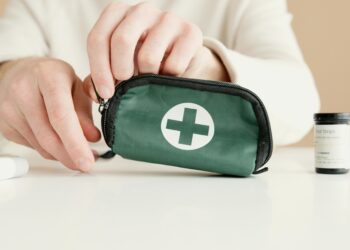
A well-stocked first-aid kit can help manage minor injuries and prevent them from becoming severe. Include items such as bandages, gauze, antiseptic, a pair of tweezers, pain relievers, and any necessary prescription medications.
4. Emergency Lighting
Power outages are common during major disasters. Having multiple sources of light such as flashlights, LED lanterns, and solar-powered lamps can keep your surroundings illuminated and safe. Don’t forget to store extra batteries!
5. Multi-Tool and Basic Supplies
A good quality multi-tool can serve numerous purposes, from opening cans to making minor repairs. Pair this with supplies like duct tape, a rope, and a sturdy knife, and you’re equipped to handle many situations.
6. Emergency Blankets and Clothing
Thermal blankets, also known as space blankets, are compact and designed to retain body heat. Keep an extra set of clothes for all family members, focusing on items that can be layered to adapt to different weather conditions.
7. Communication Devices
In an emergency, staying informed is key. A hand-crank or battery-powered radio can provide access to weather alerts and other crucial broadcast information. Consider a solar charger or extra batteries to keep mobile devices powered.
8. Personal Documents and Cash
Place important documents like identification, insurance policies, and medical records in a waterproof container. It’s also wise to have some cash on hand as ATMs and credit card systems might not be operational.
Additional Tips for Preparing Your Emergency Kit
Your emergency preparedness kit should be tailored to your specific needs, including considerations for pets, children, and elderly family members. Here are some additional tips:
Regularly Update Your Kit
Check your kit every six months. Replace expired items, and update your supplies according to any changes in your family’s needs.
Practice Evacuation Plans
Understanding how to use your emergency gear is just as important as having it. Regularly practice evacuation plans and drills so every family member knows what to do in an emergency.
Stay Informed About Potential Risks
Knowing the types of disasters most likely to affect your area can help you prepare more effectively. Customize your kit based on these risks—be it flooding, earthquakes, or hurricanes.
Conclusion
Emergency preparedness might seem overwhelming, but taking it one step at a time can significantly enhance your readiness. Start with the basic gear listed, and gradually build a comprehensive kit that meets all your needs. Remember, the best time to prepare for a disaster is when there is no disaster. Stay safe, stay prepared!