Top 10 Essentials for Emergency Preparedness in Remote Areas
When you live or travel to remote areas, being prepared for emergencies becomes not just a precaution but a necessity. The beauty and tranquility of these regions can sometimes mask the potential dangers and isolation inherent in their remoteness. Whether you’re dealing with harsh weather conditions, medical emergencies, or unexpected delays, having the right supplies and knowledge can make a critical difference. Here, we’ve compiled a list of the top 10 essentials for emergency preparedness in remote areas. These items will help ensure that you can enjoy your adventures safely, knowing you’re prepared for whatever comes your way.
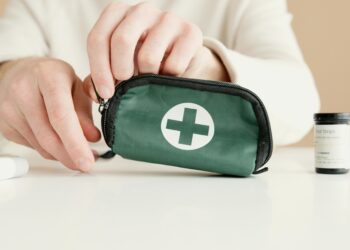
1. Comprehensive First Aid Kit
An extensive first aid kit is non-negotiable. Beyond the basics like bandages and antiseptics, your kit should include items such as:
- Tweezers and scissors for removing debris or cutting bandages.
- Antihistamines and epi-pens for allergic reactions.
- Splints and wound dressings for managing sprains or fractures.
- Pain relievers.
Make sure you know how to use each item in your kit effectively. Consider taking a basic first aid course if you’re unfamiliar with any procedures.
2. Reliable Communication Device
In areas where cell service is spotty or non-existent, a reliable communication device is vital:
- Satellite phones offer a dependable solution for making calls almost anywhere in the world.
- Personal locator beacons (PLBs) can be lifesavers in emergencies, signaling your location to search and rescue services.
Choose a device based on the nature of your activities and make sure you know how to operate it before you need to use it.
3. Water Purification Supplies
Access to clean drinking water is crucial. Carry:
- A portable water filter or purification tablets to make natural water sources safe for drinking.
- Reusable water containers to store enough water for at least a few days.
Remember, dehydration can quickly become dangerous, particularly if you’re exerting yourself or if the weather conditions are severe.
4. Adequate Food Supplies
Pack non-perishable, high-energy food items that don’t require cooking:
- Energy bars and dried fruits provide quick calories and nutrients.
- Ready-to-eat meals can be a good option for longer trips where carrying fresh food isn’t feasible.
It’s also wise to include a small stove and fuel in case you are stranded longer than planned and need to heat food or boil water.
5. All-Weather Clothing and Emergency Shelter
Prepare for the worst weather conditions:
- Layered clothing that you can add or remove allows for better temperature control.
- Waterproof and windproof jackets are crucial, even in seemingly mild climates.
- Emergency bivvy or space blankets can protect against hypothermia.
Always prioritize functionality and durability over weight and aesthetics when choosing your gear.
6. Multi-Tool and Repair Kits
A good multi-tool can be your best friend in the wilderness. Choose one that includes knives, pliers, screwdrivers, and other essentials. Additionally, carry:
- Duct tape for temporary fixes, from mending tears in clothing to repairing damaged gear.
- Sewing kit for minor repairs.
7. Navigation Tools
Even if you plan on sticking to well-trodden paths, a compass and detailed topographic maps of your area are vital. Consider bringing a GPS device, but don’t rely solely on electronic navigation:
- Always have a backup manual method in case your electronic devices fail.
8. Flashlight and Extra Batteries
A reliable flashlight or headlamp is indispensable when the sun goes down:
- Opt for LED models which are more durable and have longer battery life.
- Always carry extra batteries and consider solar-powered or hand-cranked models as backups.
9. Fire Starting Gear
Ability to start a fire can be critical:
- Waterproof matches, lighters, and firestarters should always be on your list.
- Practice using them before you actually need them to ensure you can get a fire going under any conditions.
10. Personal Safety Items
Lastly, consider your personal safety:
- Bear spray in bear-prone areas.
- Whistle for signaling help.
- Sunscreen and insect repellent to protect against the elements and pests.
Conclusion
Preparing for emergencies in remote areas requires thoughtful consideration and careful planning. By equipping yourself with these top 10 essentials for emergency preparedness, you enhance your safety and increase your ability to handle unexpected situations effectively. Remember, the key to enjoying these wild, beautiful places safely is preparedness. Equip, educate, and empower yourself to explore confidently and securely!