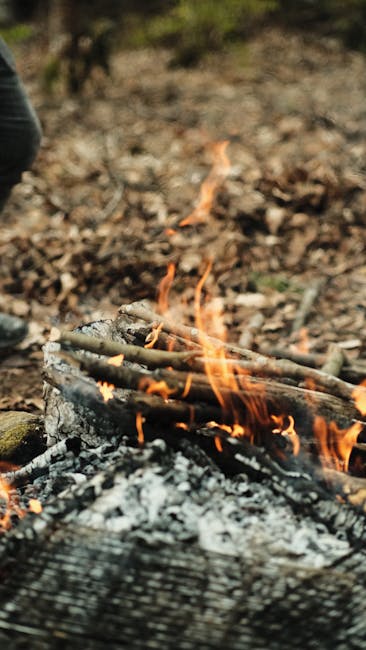
Top 10 Basic Bushcraft Skills for Beginners: Master the Wilderness
Whether you’re planning your first camping trip or you simply wish to deepen your outdoor skills, mastering the essentials of bushcraft can transform your experiences in nature. Bushcraft skills not only allow you to immerse more fully into the wilderness but also equip you with the knowledge to stay safe and self-reliant. In this guide, we’ll explore the top 10 basic bushcraft skills for beginners. These are the fundamental techniques you’ll need to master the wilderness confidently and safely.
1. Understanding Basic Survival Needs
Before you venture into the wild, it’s crucial to understand the core survival requirements: shelter, water, fire, and food. Recognizing how to prioritize these needs based on your situation is the first step in bushcraft. For instance, in a cold environment, building a shelter to maintain body heat might be your first task, whereas, in a hot setting, finding water could be the top priority.
2. Knife Handling Skills
A good bushcraft knife is an essential tool in the wilderness. It’s used for numerous tasks from creating kindling for a fire to preparing food. Beginners should learn how to choose the right knife and use it safely and efficiently. Practice essential techniques like carving, cutting, and chopping under safe conditions before heading out.
Safe Knife Handling Tips:
- Always cut away from your body.
- Keep the knife sharp as a dull blade is more dangerous.
- Use a stable surface and secure the item you are cutting.
3. Building a Shelter
Shelter is your first line of defense against the elements. Learn about different types of shelters such as lean-tos, A-frames, and debris huts. Practice building these using natural materials without damaging the environment. Understanding where to set up camp—away from hazards like dead trees, insect nests, or flooding areas—is as vital as knowing how to build the shelter itself.
4. Starting and Managing a Fire
Fire serves multiple purposes: warmth, cooking, water purification, and emergency signaling. Learn various fire-starting techniques including using a flint and steel, fire plough, or a bow drill. It’s equally important to understand how to maintain and extinguish a fire responsibly to prevent wildfires.
Fire Safety Essentials:
- Always clear a wide area around your fire site.
- Have water or soil ready to extinguish the fire quickly.
- Never leave the fire unattended.
5. Finding and Purifying Water
Water is a lifesaver in the bush. Learn to locate water sources such as streams, dew, and rainwater. More importantly, know how to purify water using boiling, chemical treatments, or filtration systems to make it safe for drinking.
6. Foraging for Edible Plants
Foraging is a rewarding skill that connects you directly with nature. Familiarize yourself with common edible plants in your region, as well as those that are poisonous. Always follow the rule of caution: if you’re unsure about a plant, don’t eat it.
7. Basic First Aid
Understanding basic first aid and carrying a well-stocked first aid kit can make a significant difference in emergency situations. Learn how to treat common injuries such as cuts, burns, and bites. Recognizing symptoms of serious conditions such as hypothermia or heat stroke is also crucial.
8. Navigation Skills
Mastering basic navigation skills using a map and compass can save you from getting lost. In today’s digital age, GPS is helpful, but electronics can fail. Therefore, learning traditional navigation techniques remains a vital bushcraft skill.
9. Knot Tying
Ropes and knots are essential for building shelters, setting up hammocks, making rafts, or even climbing. Learn various knots like the bowline, square knot, and clove hitch. Understanding which knot to use in different scenarios is a critical skill in the wilderness.
10. Leave No Trace Principles
Mastering the wilderness also means taking care of it. Familiarize yourself with the Leave No Trace principles which help minimize your impact on the natural environment. This includes knowing how to dispose of waste properly, respecting wildlife, and leaving what you find.
Conclusion: Embark on Your Bushcraft Journey with Confidence
Now that you’re familiar with the top 10 basic bushcraft skills for beginners, you’re better prepared to handle the challenges and joys of the wilderness. Remember, bushcraft is as much about respecting and understanding nature as it is about survival. Practice these skills safely and responsibly, and you’ll find that each trip into the great outdoors becomes a rewarding adventure. Start small, practice regularly, and gradually, you’ll master the wilderness like a pro. Embrace your next outdoor adventure with confidence and reverence for the natural world. Happy bushcrafting!