Mastering the Basics: Edible Plants Survival Guide for Beginners
Embarking on the journey to learn about edible wild plants isn’t just thrilling; it’s a valuable skill set for anyone interested in survival techniques, eco-friendly living, or simply expanding their knowledge. This guide will lead you through the basics of identifying, harvesting, and utilizing edible plants safely and sustainably.
Understanding the Importance of Edible Plants
Edible wild plants offer numerous benefits, from being a free nutritional resource to serving as an essential survival skill in the wilderness. They can supplement a diet, reduce grocery costs, and encourage an environmentally conscious approach to living. Moreover, learning about edible plants can help foster a deeper connection with nature and promote outdoor activities.
Getting Started: Tools and Preparation
Essential Tools for Foraging
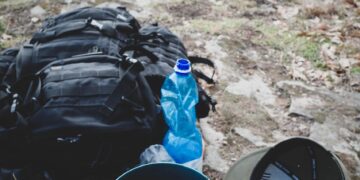
Before venturing out, it’s crucial to have the right tools. A basic foraging kit should include:
- A good quality knife for cutting and digging.
- A foraging bag or basket to hold your finds.
- Gloves to protect your hands from thorns and irritants.
- A field guide for identifying plants, which is particularly important for beginners.
Preparatory Measures
Along with having the right tools, proper preparation is key to successful foraging:
- Always inform someone of your foraging location and expected return time.
- Check the weather and dress appropriately to ensure comfort and safety.
- Begin your foraging in familiar areas to gain confidence and experience.
Identifying Edible Plants
Identifying edible plants correctly is the cornerstone of foraging. Eating the wrong plant can be harmful, so it’s vital to learn this skill thoroughly.
Basic Identification Tips
Here are some fundamental tips to help you correctly identify edible plants:
- Learn plant parts: Understanding the basics such as leaves, stems, roots, and flowers can greatly aid in correct plant identification.
- Use credible resources: Field guides, mobile apps, and websites can provide valuable information and images for comparison.
- Attend workshops or guided tours: Learning from experienced foragers can provide practical knowledge and hands-on experience.
Common Edible Plants
Some widely found and easy-to-identify edible plants include:
- Dandelion: Every part of this common plant is edible, from its flowers to its roots.
- Wild Berries: Such as blackberries and raspberries, are generally safe to eat but ensure they are fully ripe before consumption.
- Clover: Found in many lawns and fields, clover leaves and flowers are edible and can be eaten raw or boiled.
Harvesting and Using Edible Plants
Safe Harvesting Practices
To ensure sustainability and respect for nature, always adhere to ethical foraging guidelines:
- Only take what you need and leave plenty for wildlife and other foragers.
- Avoid harvesting from protected areas or private properties without permission.
- Be mindful of plant conservation, and do not overharvest any single area or species.
Preparing and Eating Your Finds
Once you have gathered your edible plants, proper preparation is crucial:
- Rinse all plants thoroughly to remove dirt and possible contaminants.
- Identify the best cooking methods for each plant, as some may be toxic if not cooked properly.
- Experiment with recipes or try adding wild plants to familiar dishes to enhance nutrition and flavor.
Challenges and Cautions
While foraging for edible plants is an enriching activity, it comes with challenges and risks.
Potential Dangers
It’s crucial to be aware of these common dangers:
- Poisonous look-alikes can cause serious health issues, and in some cases, can be deadly.
- Contaminants such as pesticides or pollutants in soil may affect urban and roadside plants.
- Unexpected weather changes can turn a foraging trip into a risky situation.
Overcoming Challenges
To mitigate risks and enjoy a safe foraging experience:
- Continuously educate yourself and never consume a plant unless you are 100% certain of its identity and safety.
- Harvest away from roadsides, industrial areas, and where pesticides or herbicides may have been used.
- Keep an eye on the weather and be prepared with appropriate clothing and gear.
Conclusion
Mastering the art of foraging for edible plants can transform how you interact with the natural world. As you grow more knowledgeable and experienced, this survival skill not only makes you more self-reliant but opens up a new dimension of appreciating and understanding the environment around you. Start small, be safe, and enjoy the journey of becoming a proficient forager.