Master Your Survival Skills: The Ultimate Off-Grid Food and Water Checklist
Imagine if tomorrow you found yourself in a situation where supermarkets are a distant memory and your kitchen faucet just stopped working. How prepared would you be? It’s not an everyday thought, but mastering the art of sourcing and preserving food and water while living off-grid can be a life-saving skill.
Begin at the Basics: Understanding Your Needs
In survival situations, prioritizing becomes critical. The first thing to do is to understand and assess your daily needs. Let’s break it down: an average person needs about one gallon of water per day and 2000 to 2500 calories to maintain enough energy for everyday tasks. Now that we have our benchmarks, how do we meet them in the wild?
Water: The Source of Life
Finding a reliable water source is your top priority. Streams, rivers, or lakes can be lifelines. However, remember, water from natural sources needs to be purified to avoid waterborne diseases. Here’s the thing, boiling water is a solid choice for purification. Keeping a portable stove and fuel can do the trick, but always have backup methods like water purification tablets or simple solar stills.
Collect rainwater as a secondary source; it’s usually safer to drink after boiling. Having several large containers for water storage is a good practice. You’ll thank yourself later when you don’t have to make multiple trips to your water source daily.
Food: Foraging, Fishing, Farming
Surviving off the land requires a mix of foraging, fishing, and potentially even small-scale farming if you’re off-grid long-term.
- Foraging: Identification books for edible plants or a downloaded app can be invaluable for distinguishing between a delicious berry and a poisonous look-alike.
- Fishing: Basic fishing gear and knowledge about local fish habitats boost your chances of a catch. Remember, fishing is not just about skill but also understanding the ecosystem.
- Farming: If you have access to land, cultivating staple crops like potatoes or beans helps sustain longer periods. Simple tools and a stock of seeds get you started.
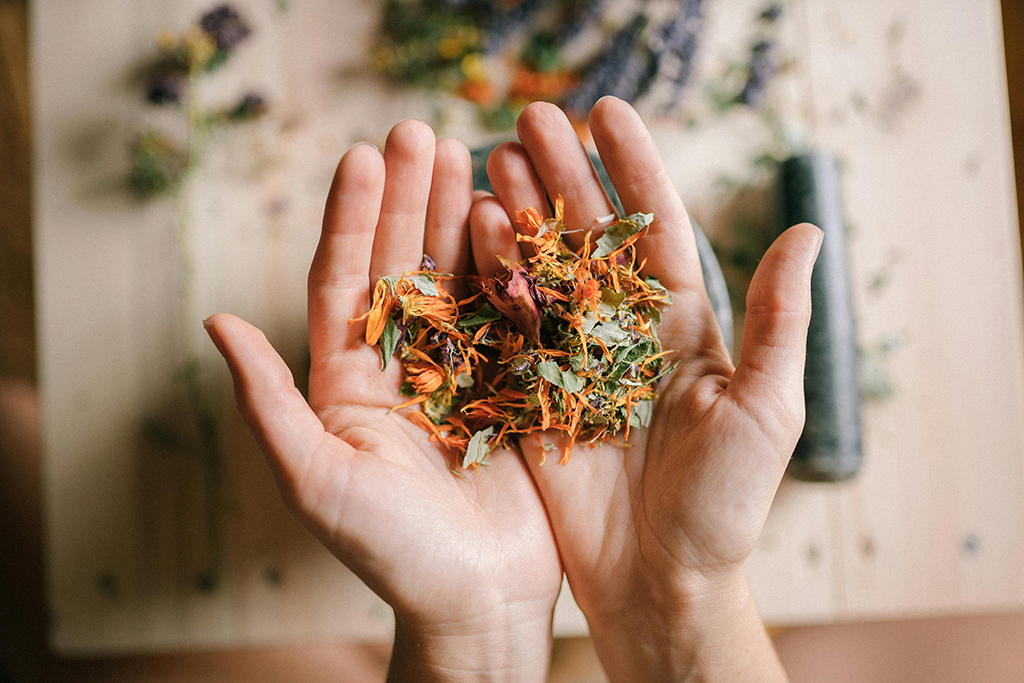
Store extra food whenever possible. Techniques like smoking or salting meat and drying fruits or herbs help preserve food without refrigeration.
Preparation Meets Opportunity: Stocking Up
Tools and Supplies List
Let’s understand why every item on your survival checklist counts:
- Water filters and purifiers: Critical for making any natural water source into drinkable water.
- Sturdy containers: Essential for storing both water and food, and make sure they’re animal-proof.
- Seeds and gardening tools: They turn a patch of land into a sustainable food source.
- Canning supplies: Great for preserving fruits and vegetables.
- Fishing and hunting gear: They provide a reliable source of protein.
Learning and Adapting
Mastering your survival skills, especially concerning food and water, involves constant learning and adaptation. Engage with survival experts, join workshops, and participate in forums. Real-life practice goes a long way—try camping trips to sharpen your skills in a controlled environment so that when the stakes are high, you’re ready.
In Conclusion
Mastering the art of living off-grid is about being prepared and adaptable. By following the ultimate off-grid food and water checklist, you’re not just surviving; you’re thriving independently. Start small, plan thoroughly, and always be open to learning more about the natural world around you. Remember, the key to off-grid survival is not just about collecting resources but also about sustaining them. Build your skills today to ensure your resilience tomorrow!