Master Wilderness Emergency Readiness Tips: Essential Skills for Outdoor Enthusiasts
Exploring the great outdoors is an exhilarating experience, but it also requires preparation and awareness. Whether you’re planning a short hiking trip or a prolonged stay in the wilderness, knowing essential emergency readiness tips can make a significant difference in your safety and survival. This article outlines crucial skills and tips to ensure you’re well-prepared for any unexpected situations in the wild.
Understanding the Basics of Wilderness Survival
Before delving into specific techniques and strategies, it’s essential to grasp basic survival principles that apply in most outdoor situations.
Always Be Prepared
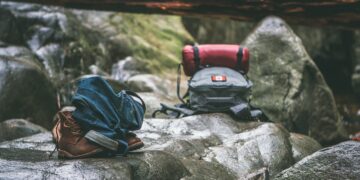
Preparation is the key to handling emergencies effectively. Ensure you have the necessary gear, including a first aid kit, navigation tools, and appropriate clothing. Additionally, inform someone about your planned route and expected return time.
Maintain a Calm and Positive Mindset
Surviving in unexpected conditions largely depends on mental toughness. Stay calm, think clearly, and maintain a positive outlook. This mental resilience can be as crucial as any physical tool.
Navigational Know-How
Getting lost is a common issue in wilderness adventures. Learning how to navigate is an essential skill that every outdoor enthusiast should master.
Map and Compass Basics
Despite technological advances like GPS devices, the traditional map and compass are reliable and do not require batteries. Practice reading topographical maps and learn how to set a bearing with a compass.
Using Environmental Cues
The environment offers many natural indicators that can help guide your way. For instance, moss often grows on the north side of trees in the Northern Hemisphere, and the sun rises in the east and sets in the west. Observing these patterns can assist in orienteering if technology fails.
Emergency Shelter Building
When stranded, protecting yourself from the elements is crucial. Building a shelter can prevent hypothermia and provide a safe place to rest until help arrives.
Choosing a Good Location
Select a site away from potential hazards like falling branches, flooding rivers, or unstable terrain. Preferably, find an area sheltered from the wind yet close to a water source.
Using Available Resources
Leverage the materials available around you. Branches, leaves, and even snow can be used to create insulation and protection. Mastering different types of shelters, such as a lean-to or a snow cave, is beneficial depending on your environment.
Water Procurement and Purification
Finding and purifying water is a non-negotiable survival skill, as dehydration can incapacitate a person within hours.
Sources of Water
Look for running streams, rivers, or lakes. In dry areas, morning dew or rainwater can be viable sources. Always assume that water from natural sources needs to be purified before drinking.
Methods of Purification
Boiling water is a reliable method, but when that isn’t an option, chemical purifiers like iodine tablets or portable filtration systems can be used. Learning to use solar stills or collecting condensation are also effective techniques.
Fire Creation Techniques
Being able to start a fire is crucial for warmth, cooking, and even psychological comfort.
Basics of Fire-Making
Understand the fundamentals of fire-making, which include gathering tinder (small, dry materials that catch fire easily), kindling (small sticks), and fuel (larger pieces of wood).
Using Different Methods
While matches or lighters are convenient, knowing how to start a fire with a flint or even friction-based methods like a bow drill can be invaluable in emergencies where you might not have matches or lighters available.
Signaling for Help
In situations where you are lost or injured, knowing how to signal for help can determine rescue.
Visual and Auditory Signals
Carry a whistle, as its sound carries farther than the human voice. For visual signals, reflective mirrors, high-visibility fabrics, or creating large symbols (such as SOS) in open areas can attract the attention of rescuers from afar.
Technology Assistance
Personal locator beacons (PLBs) and satellite messengers can be life-savers in remote locations. They use satellite technology to send your coordinates directly to emergency services.
Wildlife Encounters
Understanding how to deal with wildlife safely is crucial to prevent harm and ensure peaceful coexistence.
Preventive Measures
Keep your campsite clean, store food securely, and understand the behavior of potential wildlife you might encounter. Avoid surprising animals by making noise while walking and be aware of your surroundings.
Handling an Encounter
In the event of an encounter, remain calm, avoid direct eye contact, and slowly back away. Know the defensive practices for the specific types of wildlife you might meet.
Conclusion
Mastering these wilderness emergency readiness techniques will not only make your outdoor adventures safer but also more enjoyable. Remember, the key to effective survival skills is regular practice and continual learning. Whether you’re a seasoned explorer or a novice hiker, being prepared is the cornerstone of outdoor safety.