Master the Outdoors: How to Learn Survival Skills in the Wild
Venturing into the great outdoors can be an exhilarating experience, filled with adventures and breathtaking views. But what happens when things don’t go as planned? Being equipped with survival skills is vital to ensure safety and preparedness in the vast wilderness. Whether you’re hiking, camping, or simply exploring, mastering essential survival skills can transform unpredictable situations into manageable ones. So, let’s dive deep into how you can “Master the Outdoors: How to Learn Survival Skills in the Wild.”
Understand the Basics of Outdoor Survival
Before you lace up your boots and hit the trails, understanding the fundamental survival skills is a crucial first step.
1. Learn How to Build a Shelter
Protection from the elements is your top priority in a survival situation. Practice building different types of shelters such as a lean-to, a debris hut, or an emergency snow cave. These shelters can be lifesavers by keeping you dry and maintaining your body heat.
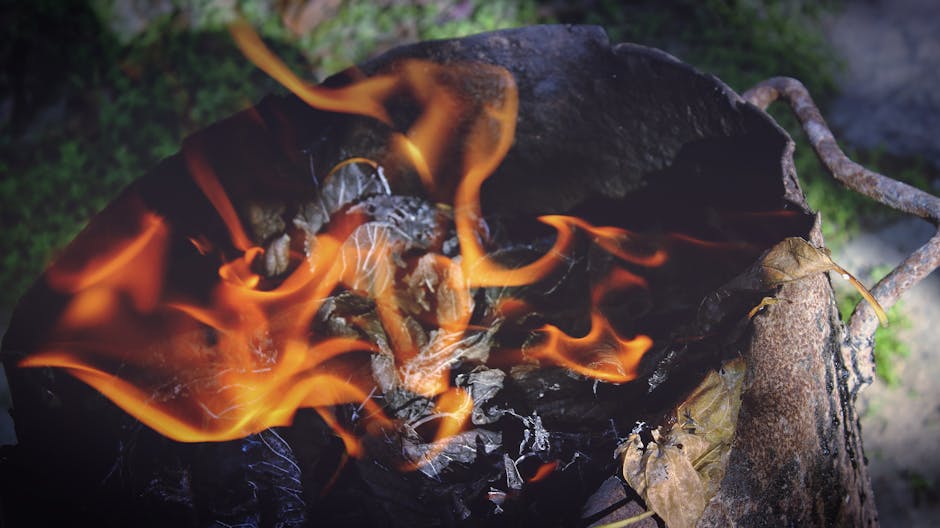
2. Master the Art of Starting a Fire
Fire is essential for warmth, cooking, and can also be a psychological comfort. Learn various fire-making methods, including friction-based techniques like the bow drill or flint and steel. Always carry a lighter or waterproof matches as a backup.
3. Find Safe Water
Water is a critical survival element. Knowing how to locate and purify water can save your life. Techniques such as boiling, using water purification tablets, or solar water disinfection (SODIS) should be practiced.
Acquire Navigation Skills
Getting lost in the wild is a common challenge, and knowing how to navigate can steer you back to safety.
1. Map and Compass Navigation
Familiarize yourself with using a map and compass. Practicing these skills in a controlled environment can boost your confidence when using them in the wild.
2. GPS and Modern Technology
While traditional methods are indispensable, modern technology such as GPS devices can be extremely helpful. Learn how to use these tools effectively but don’t rely on them solely, as electronics can fail.
3. Natural Navigation
In situations where you might be without tools, knowledge of natural navigation using the sun, stars, and even certain plants and moss can prove invaluable.
Prepare for Wild Encounters
Depending on where you’re exploring, encountering wildlife is likely. Knowing how to handle these situations is crucial for your safety.
1. Understand Animal Behavior
Educating yourself on the types of animals you might encounter and understanding their behavior can help prevent confrontations. For instance, making noise while hiking can alert bears to your presence, allowing them to avoid you.
2. Safety Measures
Carry bear spray, know how to store food correctly in bear country, and learn the defensive positions to adopt if an encounter turns aggressive.
Practice Emergency First-Aid
Injuries can and do happen. Basic wilderness first-aid knowledge is essential.
1. First-Aid Training
Consider taking a wilderness first-aid course where you can learn to handle common injuries like sprains, fractures, and cuts, as well as more severe conditions like hypothermia and heatstroke.
2. Carry a First-Aid Kit
Always have a basic first-aid kit ready. Customize your kit based on the duration of your trip and the remoteness of the area.
Learn Through Experience
While reading and attending courses are introductory steps, nothing beats hands-on experience.
1. Start Small
Begin with short, local trips. Apply the skills you’ve learned in a controlled setting where help isn’t too far away.
2. Gradually Increase Difficulty
As your confidence and skills improve, plan for more challenging adventures. Each experience will teach valuable lessons that reading cannot replicate.
3. Join Outdoor Survival Groups
Participating in groups with experienced adventurers who share a passion for the outdoors can enhance learning through workshops, guided trips, and shared experiences.
Conclusion: Embracing the Wilderness Confidently
To truly “Master the Outdoors: How to Learn Survival Skills in the Wild,” commitment to continuous learning and practical application of your skills is key. Whether it’s constructing a safe shelter, purifying water, navigating unmarked trails, or managing wildlife encounters, each skill you master adds a layer of safety and enjoyment to your outdoor adventures. Remember, the wild is unpredictable, but with the right skills and knowledge, you can navigate any challenge it presents. Adventure awaits—prepare to meet it head-on!