Essential Items for Your Survival Emergency Supply Checklist: Top 10 Must-Haves
When disaster strikes, being prepared can make all the difference. Whether you’re facing a natural disaster, a power outage, or any unforeseen emergency, having a survival emergency supply checklist can be a lifesaver. But what exactly should you include in your emergency kit? Today, we’ll explore the essential items for your survival emergency supply checklist, focusing on the top 10 must-haves that should be part of any preparedness plan.
A Well-Equipped Emergency Kit: The Foundation of Preparedness
Before diving into the specific items, it’s important to note that your emergency supply should be tailor-fit to meet the needs of your family and local conditions. That being said, certain essentials universally stand out as critical. Here’s what you need to pack:
1. Water: The Essential of Life
Water tops our list as the most critical resource in any emergency kit. The rule of thumb is to have at least one gallon of water per person per day for at least three days. This supply should cover both drinking and sanitation needs. Consider stocking up on commercially bottled water or storing tap water in food-grade water containers.
2. Food: Sustaining Energy
Next is a sufficient supply of non-perishable, easy-to-prepare food. Aim for a three-day supply per person, focusing on items that don’t require refrigeration, cooking, water, or special preparation. Examples include canned fruits, vegetables, meat, and fish, protein or fruit bars, dry cereal, and non-perishable pasteurized milk.
3. First Aid Kit: Handling Minor Injuries
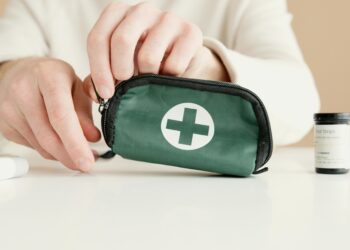
A comprehensive first aid kit is indispensable. Your kit should include various sized adhesive bandages, sterile gauze pads, adhesive tape, scissors, tweezers, soap, antibiotic ointment, antiseptic wipes, a thermometer, and any personal medications. Consider taking a basic first aid course to better understand how to use the contents of your kit effectively.
4. Flashlights and Batteries: Lighting Up the Darkness
In the event of a power outage, having a reliable source of light is crucial. Opt for long-lasting, durable flashlights or headlamps and stock up on extra batteries. Solar-powered or hand-crank lights are also excellent additions, offering sustainability without dependency on batteries.
5. Battery-Powered or Hand-Crank Radio: Staying Informed
To stay updated with the latest emergency information, include a battery-powered or hand-crank radio. NOAA Weather Radio with tone alert provides continuous broadcasts of official Weather Service warnings, watches, forecasts, and other hazard information.
6. Multi-Purpose Tool: Versatility in Your Hands
A multi-purpose tool, which can include pliers, wire cutters, a knife, a can opener, and other functionalities, can be crucial in unexpected situations. This tool can assist in quick fixes, building shelters, or when preparing food.
7. Sanitation and Personal Hygiene Items: Maintaining Health and Comfort
Include items such as toothbrushes, toothpaste, soap, feminine supplies, diapers, and toilet paper. Don’t forget a small garbage bag for waste. Keeping clean can protect against infections, disease, and maintain morale in challenging conditions.
8. Emergency Blankets: Staying Warm and Protected
Compact and efficient, emergency thermal blankets help maintain body temperature by reducing heat loss in a person’s body. Given their small packaging and low weight, they are an easy addition to your emergency kit.
9. Maps and Documents: Navigation and Identification
Physical maps are invaluable when electronic devices fail. Keep local and regional maps in your kit. Additionally, ensure you have copies of important documents, such as identification cards, insurance policies, and medical records, in a waterproof container.
10. Cash: Essential for Basic Transactions
If ATMs and credit card systems are down, having cash on hand can help you purchase necessary items during an emergency. Ensure you have small denominations because making change could be difficult.
Conclusion: Always Be Prepared
While no one likes to think about emergencies, being prepared with a well-thought-out survival emergency supply checklist can dramatically improve your resilience to any disaster. Remember, the key is to customize your emergency kit based on your family’s specific needs and the local risks you might face.
Check and update your kit regularly and reconsider the essential items for your survival emergency supply checklist annually. Stay safe, and remember, preparation today can help alleviate worries about tomorrow.