Essential Items for Your Off Grid Outdoor Living Checklist
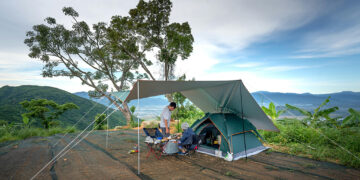
Have you ever imagined waking up to the sound of birds chirping, with a view of mist-covered mountains right outside your tent? The allure of living off the grid is undeniable—a chance to escape the bustling city life and reconnect with nature. But to transform this dream into an enjoyable reality, you’ll need more than just enthusiasm. Preparation is key, and that starts with packing the right gear.
Understanding the Basics: What You Really Need
Let’s start with the bare necessities. When living off the grid, your primary needs include shelter, water, food, and warmth. Here’s the thing—each of these categories has a few ‘must-haves’.
Shelter and Comfort
- Tent or Hammock: Depending on your preference and the terrain, choose a durable, weather-resistant tent or a lightweight hammock.
- Sleeping Bag: Night temperatures can drop significantly, so a good quality sleeping bag rated for the climate is essential.
- Camping Mat: Never underestimate the comfort a mat provides against the hard ground.
Water Purification
- Water Filter and Purifier Tablets: Outdoor water sources may contain pathogens, so having both a mechanical filter and chemical purifiers is advisable.
- Durable Water Containers: Carry large water containers for a stationary setup and smaller portable ones for excursions.
Food Supplies and Cooking Equipment
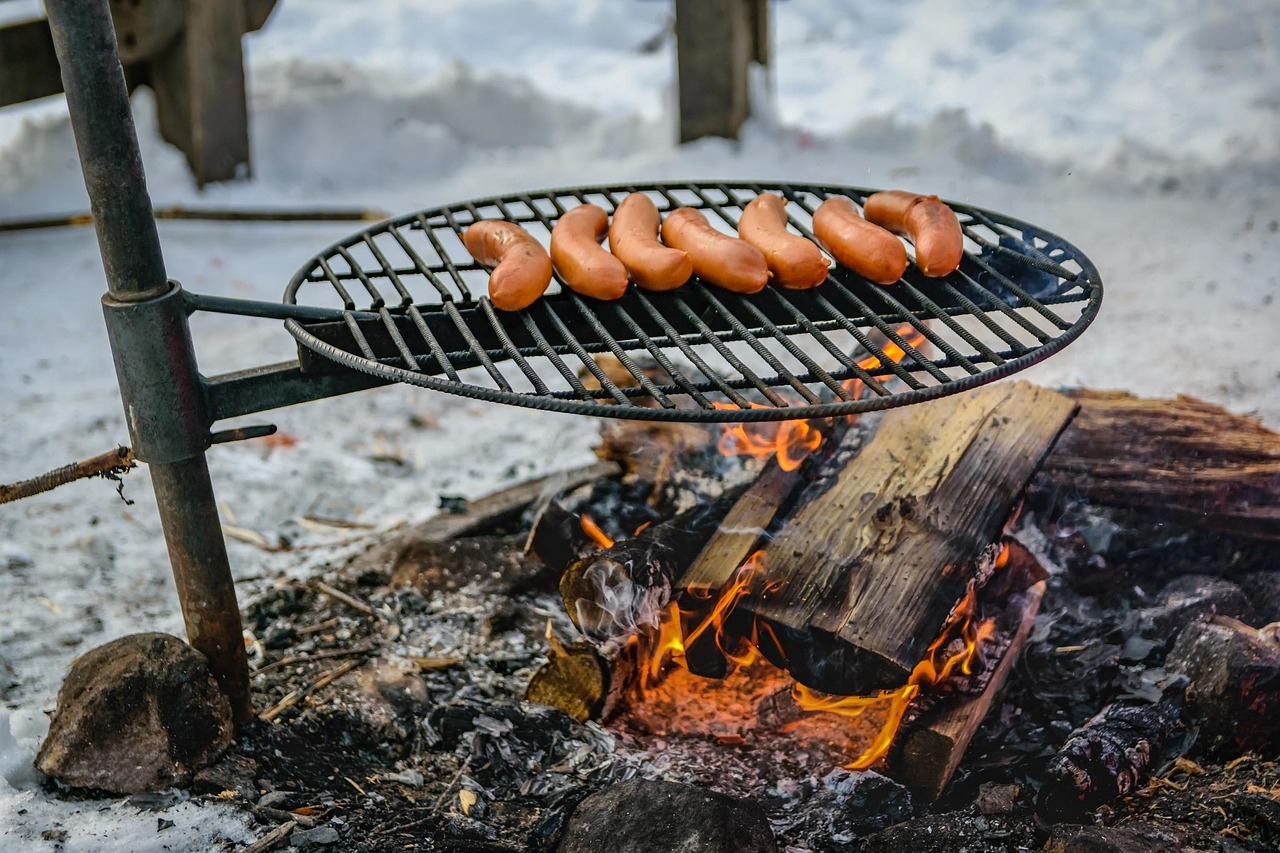
- Portable Stove: A compact stove is great for cooking and can also be used for warmth.
- Nutrient-rich, Non-perishable Food: Think items like rice, beans, dried fruits, and nuts.
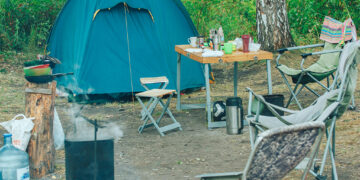
- Cooking Utensils and Durable Cookware: Minimalist sets designed for camping will save space and serve multipurpose uses.
Warmth and Lighting
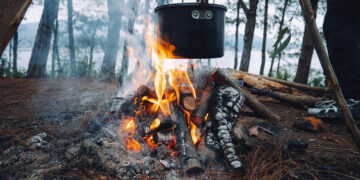
- Fire Starting Kit: Waterproof matches, a lighter, and a flint are starters. Carry kindling or learn to gather and prepare it safely.
- Solar-powered or Rechargeable Lamps: Essential for nights and cloudy days.
Health and Safety Must-Haves
Your health and safety are crucial when off the grid. What should be on your checklist to make sure you stay healthy and ready for anything?
First Aid Kit
Prepare a kit tailored to your specific needs, including bandages, antiseptic, and any personal medications. Make sure you know how to use each item effectively.
Navigation Tools
- Map and Compass: Don’t rely on electronic devices alone.
- GPS Device: Useful for tough terrains and poor visibility conditions.
Communication Devices
In locations with no cellular service, consider satellite phones or a two-way radio for emergencies. Also, inform someone of your plans and expected return time.
Sustainable Practices
Living off the grid is also about respecting the environment. Use biodegradable products, avoid leaving waste, and maintain the natural habitat.
Leave No Trace
Carry all waste out with you, use established fire pits, and camp on durable surfaces. Protect wildlife and plant life by keeping your distance and not feeding animals.
Conclusion: Packing Smart
Heading off the grid isn’t just an adventure—it’s a lifestyle shift. With this checklist, you’re better prepared to face the challenges and relish the simplicity and beauty of nature. Always double-check your gear before departure, practice setting up your camp at home, and most importantly, plan for the unexpected. Nature is full of surprises, and the right preparation can make your experience safe, sustainable, and fulfilling.