Essential Guide to Disaster Preparedness for Off Grid Living: What You Need to Know
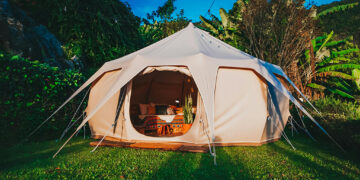
Have you ever wondered how life off the grid might hold up when Mother Nature shows her fierce side? Picture this: you’re nestled in your cozy cabin surrounded by nature, but then, the unexpected hits—a massive storm, a wildfire, or another natural calamity. Off-grid living offers a serene escape from city life, but it also requires serious readiness to face such emergencies.
Understanding Disaster Preparedness
Disaster preparedness is crucial for everyone, but it’s especially critical when you live off the grid. Here’s the thing: without immediate access to municipal services, you’ll need to rely solely on your plans and supplies. Let’s break down what you need to effectively prepare for any disaster when living remotely.
Assess Your Risks
Firstly, evaluate the specific risks associated with your location. Are you in a flood-prone area? Or perhaps forest fires are more common? Knowing what disasters could potentially affect your area is the first step to being well-prepared.
Build Your Survival Kit
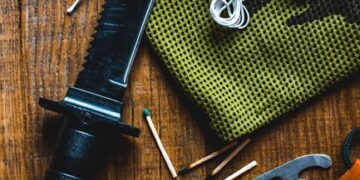
Think of your survival kit as your best friend in times of crisis. This kit should include:
- Water (a gallon per person per day for several days)
- Non-perishable food (enough for at least three days)
- Flashlights and extra batteries
- A first aid kit
- Personal hygiene items
- Important documents (in a waterproof container)
- Extra cash
- A multi-purpose tool
Remember, customization is key! Your kit should be tailored to meet the specific needs of your family and environment.
Developing a Disaster Plan
Communication Strategies
When regular communication lines fail, having a backup plan is essential. Consider alternatives like satellite phones or ham radios. Establish a family emergency meeting point and make sure everyone knows the plan thoroughly.
Learn Basic Survival Skills
Off-grid life inherently develops self-sufficiency, which is advantageous in disaster scenarios. Enhance these skills by learning:
- Basic first aid
- How to purify water
- Basic home repair
- Safe use of generators and other machinery
These skills can be lifesavers during emergencies, reducing your dependence on external help.
Sustainable Resource Management
Living off-grid usually involves using renewable energy sources like solar panels or wind turbines. Ensure that these systems have protective measures against the types of disasters you might face. Additionally, learning to ration fuel and conserve energy can be crucial during extended periods of isolation after a disaster.
Continuous Education and Practice
Disaster preparedness is not a one-time task. Regular drills, staying updated with the latest safety recommendations, and revisiting your disaster plans and kits are all part of maintaining readiness. Engage with local emergency services for updates and resources that can aid in your preparedness.
Conclusion
Living off the grid offers a unique blend of challenges and rewards. By understanding and implementing effective disaster preparedness strategies, you can enjoy the tranquility of remote living while ensuring you and your loved ones remain safe during unforeseen disasters. Stay prepared, stay safe, and keep enjoying the off-grid lifestyle with peace of mind.