Essential Gear for Backcountry Emergency Preparedness
Exploring the backcountry can be an exhilarating adventure, offering unparalleled views of nature and the thrill of traversing through less-trodden paths. However, the beauty of remote areas comes with its share of risks. To ensure safety and preparedness in the event of an emergency, having the right gear is crucial. This comprehensive guide will walk you through the essential gear needed for backcountry emergency preparedness, ensuring you are well-equipped to handle unexpected situations.
Understanding the Basics of Backcountry Preparedness
Before diving into the gear, it’s important to understand what backcountry preparedness entails. Essentially, it means being ready to face potential challenges during outdoor adventures such as hiking, camping, or mountain biking in remote areas. This preparation involves carrying suitable equipment, having adequate survival skills, and understanding environmental conditions.
Key Considerations for Choosing Your Gear
- Durability: Choose gear that can withstand various weather conditions and rough handling.
- Weight: Opt for lightweight options that won’t weigh you down.
- Usability: Select equipment that is easy to use, especially in stressful situations.
Essential Gear for Backcountry Emergency Preparedness
To effectively prepare for any emergency in the backcountry, there are certain items that should always be in your pack. Here’s a breakdown of the essential gear:
Navigational Tools
Navigating through the wilderness can be daunting. Reliable navigational tools are essential to ensure you can find your way and avoid getting lost.
- Topographic Map: A detailed map of the terrain is crucial for planning your route and identifying landmarks.
- Compass: A compass, paired with your map, is invaluable for orientation when electronic devices fail.
- GPS Device: A GPS can provide accurate location data and route tracking, but always have a map and compass as a backup.
Communication Devices
In emergencies, being able to communicate with the outside world can be a lifeline.
- Cell Phone: While cell service can be spotty, having a phone can help in areas with coverage.
- Two-Way Radios: For group trips, two-way radios ensure that all members can stay in communication.
- Satellite Messenger: This device can send distress signals and messages via satellite, making it useful in remote locations.
Survival Kit
A well-packed survival kit can make the difference between a manageable situation and a dire one. Here’s what it should include:
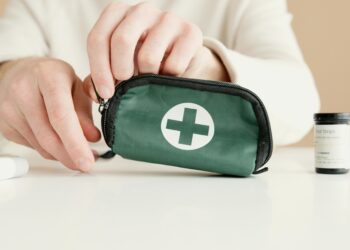
- First Aid Supplies: Bandages, antiseptics, and medications are must-haves.
- Fire Starting Tools: Waterproof matches, lighters, and fire starters can help you warm up and cook food.
- Emergency Shelter: A lightweight tent, bivy sack, or space blanket can protect you from the elements.
- Water Purification System: Whether it’s tablets or a filter, ensure you have a way to purify water.
- Multi-tool: A good multi-tool can be crucial for repairs and other unexpected needs.
Additional Safety Tips for Backcountry Adventures
While having the right gear is a significant part of emergency preparedness, there are additional tips to keep in mind:
Stay Informed
Before heading out, research your destination. Understand the terrain, typical weather conditions, and any wildlife you might encounter. Knowledge is a powerful tool in preventing emergencies.
Prepare Physically
Ensure that you’re physically fit for the demands of backcountry exploration. Conditioning your body can help you handle long treks and challenging terrains more effectively.
Leave a Trip Plan
Always inform someone about your plans, including where you’re going, the route you plan to take, and your expected return time. This information can be vital in case of an emergency.
Wrapping Up
In conclusion, preparing for a backcountry adventure means equipping yourself with the necessary gear to face the unpredictable. A comprehensive emergency kit, along with the right knowledge and preparation, can significantly increase your safety and enjoyment in the wild. Remember, the goal of any outdoor activity should be not only to explore and enjoy but also to return home safely. Equipped with these tips and insights, you’re ready to take on your next backcountry adventure with confidence!