Ultimate Survival Gear Comparison Guide: What You Need to Thrive in the Wild
Getting Ready: The Foundation of Wilderness Survival
Imagine you’re stepping into a dense forest, where every step you take is a whisper to the wild. The branches crack under your feet and the cool air fills your lungs. Would you be confident in your ability to survive with the gear you packed? Having the right survival gear is not just about security—it’s about making the wilderness a home away from home. Here’s the thing, the right selection isn’t just about the best items; it’s about what works best for you.
Choosing the ultimate survival gear can seem daunting. Let’s understand that each piece of gear is a component of a larger survival strategy. From shelters and sleeping setups to food supplies and first aid, each item plays a critical role. But how do you choose the best among so many options? Read on as we compare essential survival gears to help you thrive in the wild.
Shelter and Sleep Systems
Tents vs Hammocks
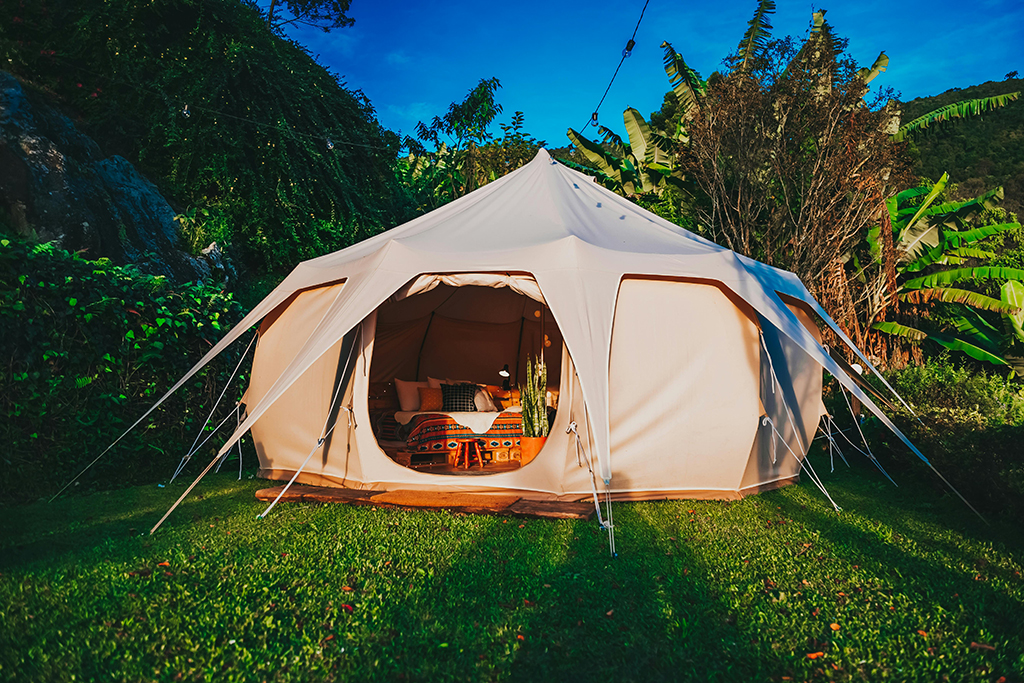
When it comes to choosing your shelter, the main contenders are usually tents and hammocks. Tents offer the advantage of space and protection. They can shield you from wind, rain, and ground critters. However, they can be heavy and require more time to set up.
Hammocks, on the other hand, are lighter and quicker to set up. They elevate you off the ground, away from moisture and insects. A serious consideration though — they offer less insulation, which can be a drawback in cooler climates.
Choosing the Right Sleeping Bag
Sleeping outdoors is quite different from your comfy bed at home. You’ll need a sleeping bag that matches the environment. Look for sleeping bags rated for temperature and consider ones with synthetic fillers if you expect wet conditions—they dry faster!
Food and Water Necessities
Nutrition Packs vs Natural Foraging
Survival situations demand calories and nutrition. Pre-packed emergency food kits are calorie-dense, have a long shelf life, and are super convenient. In contrast, foraging provides fresh nutrients but requires knowledge about edible and medicinal plants. It’s a skill worth learning but rely on it only as a secondary option.
Water Purification: Filters vs Tablets
Clean water is crucial and not always available. Filters are great because they clean out contaminants without altering the taste. Water purification tablets, albeit lightweight and cheap, often leave a residual taste and take longer to purify.
Essential Tools and Navigation
Multi-tools vs Single Purpose Tools
A robust multi-tool can be a wilderness best friend, offering everything from knives to screwdrivers in one compact form. They save weight and space. Alternatively, single-purpose tools typically perform better at their specific tasks but consider the extra weight and space they take.
Staying the Path: GPS Devices and Compasses
Never underestimate the wild’s ability to disorient even the most experienced adventurers. A GPS device provides clear, real-time location tracking and is indispensable in unfamiliar terrain. However, they do require power. Always carry a traditional compass and map as fail-safes—they don’t need batteries!
First Aid: Preparedness is Key
Your first aid kit should be tailored to the nature of your journey. Include basics like bandages, antiseptic creams, and painkillers. Consider specific items such as snake bite kits if you’re venturing into snake-active areas. Remember, knowledge of basic first aid procedures is as important as the kit itself.
The Psychological Tool: Staying Positive
Often overlooked, the mental aspect of survival is crucial. A small, durable book, a harmonica, or even a deck of cards can keep spirits high and anxiety at bay, which can be just as vital as any physical tool in survival situations.
In Conclusion
Choosing the right survival gear is a deeply personal choice that should be influenced by your individual needs, environmental conditions, and comfort with wilderness skills. Whether it’s a tent or a hammock, a water filter or purification tablets, the best gear is the gear that fits your survival strategy. Equip wisely, prepare thoroughly, and the wilderness will feel less like an adversary, and more like an adventure.