5 Essential Strategies for Long Term Food Sourcing Off Grid
Imagine waking up each morning, stepping outside, and gathering breakfast from your own resources, fully independent from the commercial grid. Sounds appealing, right? When you live off-grid, this dream can become your everyday reality, but it requires more than just a casual commitment to gardening. Achieving long-term food sourcing off-grid requires strategic planning and a variety of sustainable practices.
Understanding the Essentials of Off-grid Food Sourcing
Living off the grid means disconnecting from supermarket dependency and embracing a self-sufficient lifestyle. It’s critical not only to think about what you’ll eat today, but also how you’ll secure food for years to come. This involves a mixed approach, combining immediate food sources with long-term strategies for food security.
Here’s why understanding and implementing diverse food sourcing strategies is crucial: it ensures variety, nutritional balance, and food security, even in challenging conditions. Let’s dive into the five essential strategies that can help you sustainably source food in an off-grid setting.
1. Establish a Permaculture Garden
Permaculture is a sustainable land use design that creates natural ecosystems intended to be sustainable and self-sufficient. Start by designing a garden that uses perennials, which can bear crops year after year. You might want to include fruit trees, berry bushes, and perennial vegetables like asparagus and rhubarb. This type of garden mimics natural ecosystems and minimizes the need for human intervention.
2. Raise Livestock for a Balanced Diet
Incorporating livestock can help you achieve a more balanced diet while also managing your land more effectively. Chickens, for instance, provide eggs and meat, while also helping with pest control. Goats or cows can offer milk and meat. Remember, each type of livestock requires specific care, so choose animals that are compatible with your land’s resources and your own capability to care for them.
3. Foraging Wild Food
Foraging is a valuable skill for anyone living off the grid. Many areas offer wild berries, nuts, mushrooms, and other edible plants that can supplement your diet. However, it’s vital to learn about safe foraging practices — knowing how to identify both safe and hazardous plants is essential. Local foraging workshops and field guides can be invaluable resources.
4. Use Aquaponics or Hydroponics
Aquaponics combines fish farming with plant cultivation, where plants grow over water and benefit from the natural fish waste as fertilizer. Hydroponics, on the other hand, involves growing plants in a water-based, nutrient-rich solution, without soil. Both systems are efficient for off-grid living as they require less space and water than traditional farming, and they can be setup indoors to avoid weather-related complications.
5. Preservation and Storage Techniques
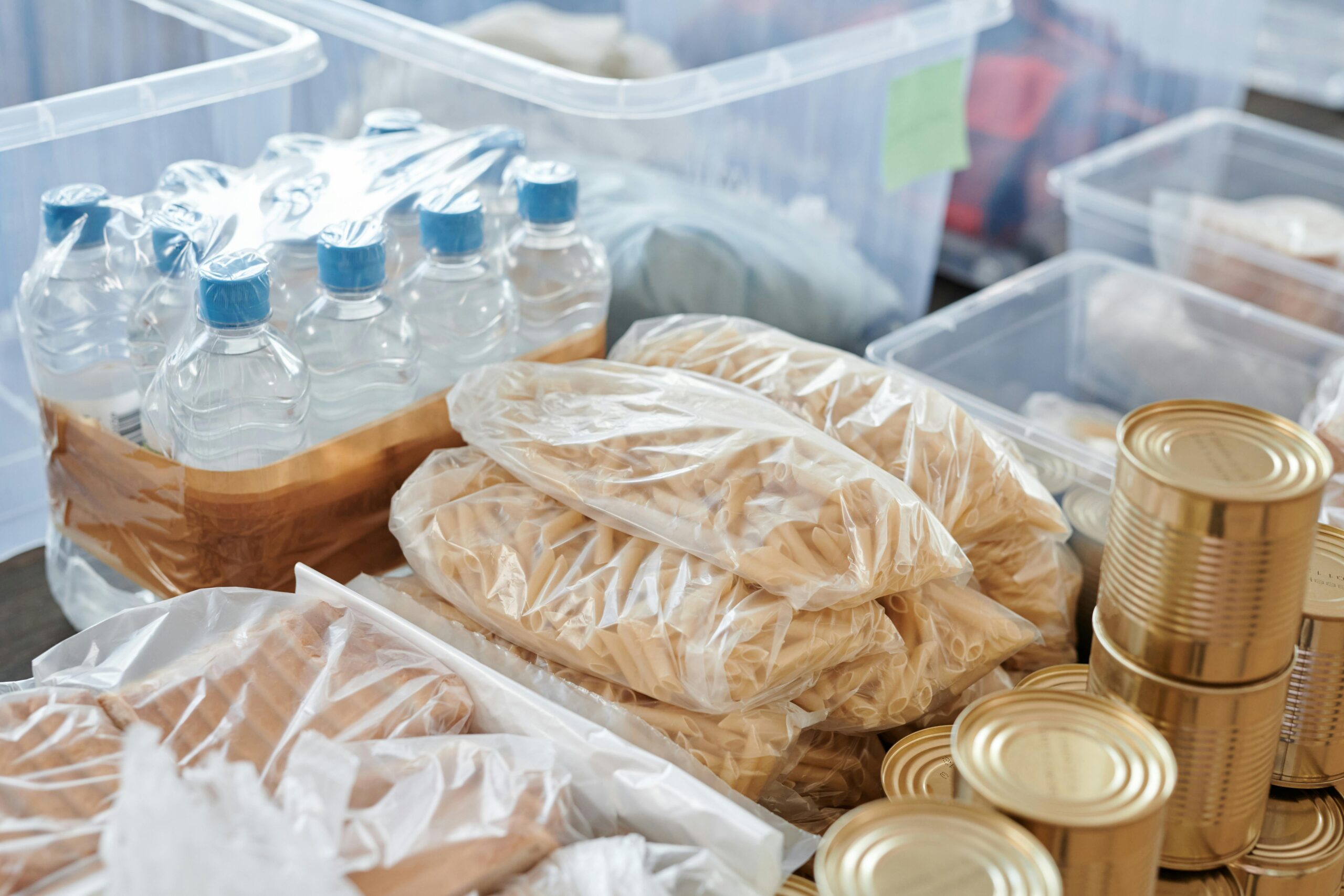
Knowing how to preserve and store your food is crucial for ensuring a year-round supply. Learn methods like canning, drying, and fermenting to keep your fruit, vegetables, and meats safe for consumption months after they’ve been harvested. Additionally, investing in a root cellar can provide cool, stable temperatures to store your preserved goods and root crops like potatoes and carrots through the winter months.
Embracing a Sustainable Lifesyle
Living off-grid and sourcing your food long-term isn’t just a strategy, it’s a lifestyle that can bring immense satisfaction and a sense of security. It connects you more deeply with nature, reduces your carbon footprint, and can improve your diet quality. Remember, the key is integrating these strategies in a way that works best for your specific environment and needs.
While it may seem daunting at first, each step you take towards sustainable off-grid food sourcing brings you closer to a resilient and fulfilling way of living. Start small, plan carefully, and expand your systems as you gain more confidence and skills. Happy growing, raising, and foraging!