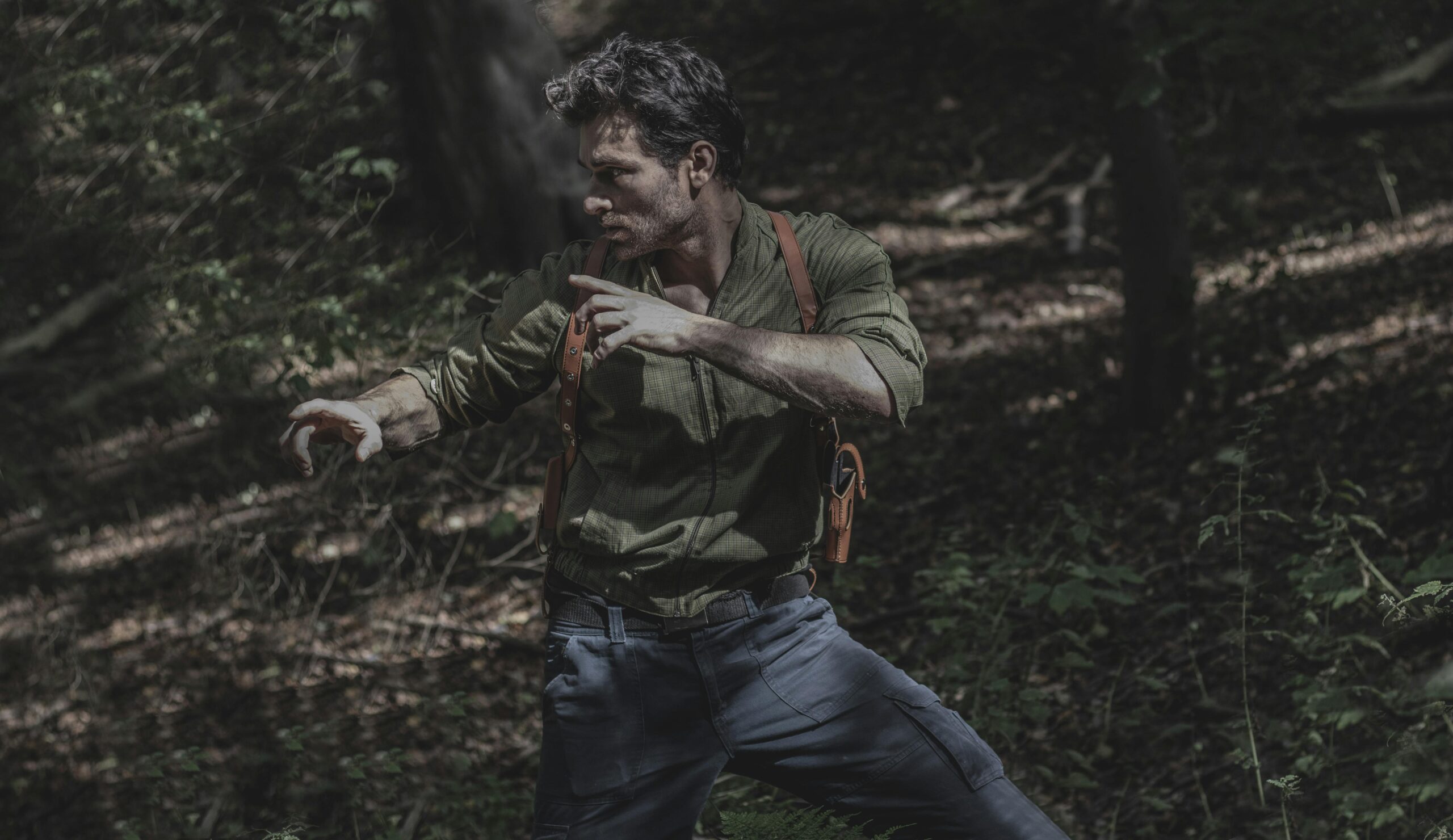
Understanding Survival Risk Assessment Outdoors: A Comprehensive Guide
Imagine you’re deep in the woods, the chirping of birds your only company, when suddenly the sky turns menacing. Wouldn’t it be great to know exactly what to do next? How do you decide whether to seek shelter or head back? This scenario highlights the essence of survival risk assessment outdoors – a critical skill set for any adventurer.
What is Survival Risk Assessment?
Let’s understand what we mean by survival risk assessment. It’s basically evaluating potential dangers in an outdoor environment to make informed decisions that keep you safe. Think of it as a mental toolkit that helps you handle unexpected situations effectively. Whether you’re hiking, camping, or simply exploring, knowing how to assess risks can make a significant difference in the outcome of your adventures.
The Pillars of Effective Outdoor Risk Assessment
Knowledge of the Environment
Before stepping out into the wild, it’s crucial to gather as much information as possible about the area. This includes weather patterns, wildlife activity, terrain specifics, and any known risks associated with the location. A good start is checking the forecast and any relevant wildlife alerts.
Preparation and Gear
Here’s the thing: proper gear can be a lifesaver. Ensure you have the right equipment tailored to the environment. This not only includes clothing and shelter but also navigation tools like maps and GPS devices, as well as a basic survival kit comprising first aid supplies, a fire starter, and emergency food and water.
Assessing Your Skills and Limits
Be honest with yourself about your physical condition and survival skills. Overestimating your abilities can be just as dangerous as underestimating environmental risks. If you’re new to outdoor adventures, consider starting with less challenging environments and gradually build your experience.
Step-by-Step Approach to Outdoor Risk Assessment
1. Identify Potential Hazards
First up, look around and note any immediate or potential dangers. This could be anything from unstable terrain, presence of wild animals, or worsening weather conditions.
2. Evaluate the Severity and Probability
Not all hazards pose the same risk. Determine which ones are more likely to occur and their possible impact. For instance, a thunderstorm might be more probable and dangerous than encountering a wild animal.
3. Decide on Precautions and Actions
Based on your assessment, decide on the necessary precautions. This might mean changing your route, setting up camp early, or even turning back. Always err on the side of caution.
4. Constantly Re-evaluate
Risks can change rapidly outdoors. Regularly re-assess the situation especially if new elements come into play like changing weather conditions or unexpected injuries.
Real-Life Application
Consider the story of Ella, an avid hiker who planned a trip to the Rocky Mountains. By checking the weather ahead, she knew a snowstorm was possible and packed accordingly. When the storm hit earlier than expected, her preparation allowed her to quickly set up a safe camp instead of getting caught in a perilous situation on the trail.
Final Thoughts
Understanding survival risk assessment outdoors isn’t just about preventing mishaps; it’s about enhancing your overall outdoor experience. With the right knowledge and tools, you’re not just surviving; you’re thriving no matter where your adventures take you. Remember, the goal is to enjoy the great outdoors safely and sustainably, keeping both you and the natural environment protected. So next time you plan an excursion, consider these insights and tips to guide your journey.