How to Find Drinking Water in the Forest: A Step-by-Step Guide
Imagine you’ve embarked on a breathtaking hike through the lush expanses of a verdant forest. The air is fresh, the scenery spellbinding, but then you realize your water supplies are dwindling faster than expected. Panic begins to nudge at your calm. Finding a reliable water source now becomes not just part of the adventure, but a necessity for survival.
Why Knowing Water Sources is Crucial
The ability to locate water in a wild environment is an essential skill that every outdoor enthusiast should master. Not only does it ensure your safety, but it also enhances your comfort and the overall experience during your forest explorations. Here’s why understanding this skill can be a game-changer during your adventures.
Step 1: Understand the Terrain
Follow Natural Indications
Water flows downhill, so your best chance of finding it is in valleys and low-lying areas where water naturally collects. Keep an eye out for animal tracks or insect swarms; these can often lead you to a water source. Plants like willows, cattails, and cottonwoods are also typically found near water.
Step 2: Gather Dew
Technique for Collecting Water
Early in the morning, dew can provide an excellent, clean source of water. Using a cloth or a handful of fresh grass, gently wipe the dew from surrounding foliage, then wring it out into a container. This method requires minimal effort and can be surprisingly effective.
Step 3: Rainwater Harvest
How to Maximise Your Collection
If you find yourself in the forest during a rainstorm, use any clean, wide-surfaced items like tarps or large leaves to collect rainwater. Make sure to position your makeshift collectors with a slight incline leading towards your container to catch as much water as possible.
Step 4: Locate a Stream or River
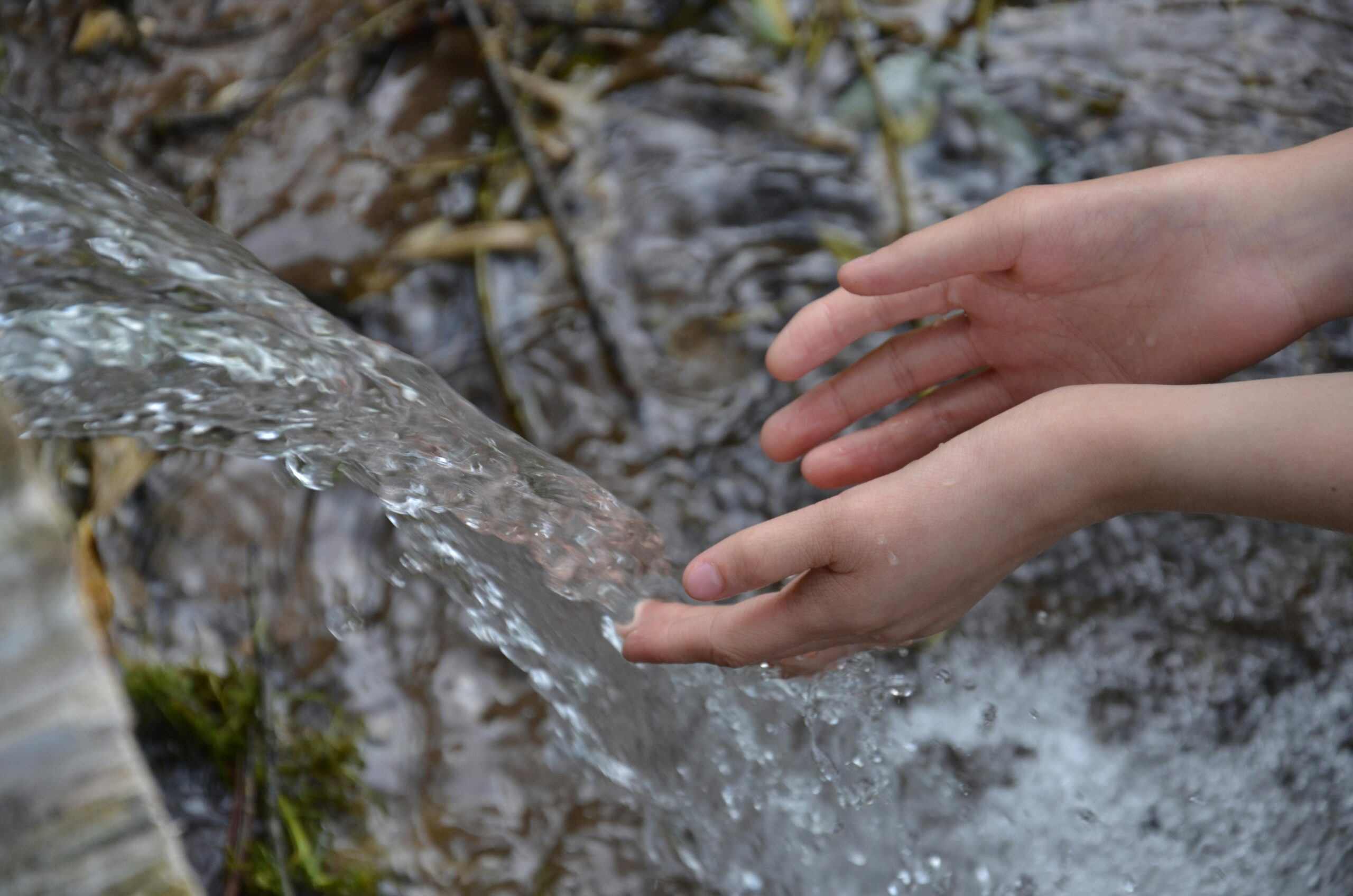
- Finding the Water: Move downhill and scout for the sound of flowing water, an unmistakable signal of a nearby stream or river.
- Safety Check: Once you find a stream, it’s crucial to verify that the water is safe for consumption. Look upstream to make sure there are no signs of pollution or dead animals that could contaminate the water.
Step 5: Purify Your Water
Necessary Steps for Safe Consumption
Finding water is only half the battle; making it safe to drink is equally important. Boil the water for at least one minute to kill any harmful pathogens. If boiling is not an option, consider carrying water purification tablets or a portable water filter in your backpack.
Tips for Effective Water Sourcing
- Always carry a backup water purification method.
- Learn to identify the signs that indicate nearby water, like lush green vegetation.
- Never assume water is safe to drink just because it looks clear.
Conclusion: Stay Hydrated Safely
Knowing how to find and purify drinking water in the forest is not just useful—it could be lifesaving. By following these steps, you equip yourself with the knowledge to stay hydrated and healthy in the wilderness. Remember, nature can be unpredictable, so always prepare for the unexpected, and prioritize finding a clean water source whenever you venture into the forest. Stay safe and happy hiking!