Essential Tips from the Portable Water Purification Survival Guide for Safe Drinking Anywhere
Did you know that you could suffer from severe dehydration after just 24 hours without water? It’s a sobering truth that emphasizes the importance of having access to clean drinking water at all times, especially in emergencies.
Finding a Water Source
First things first, let’s locate a water source. Whether you find yourself in a dense forest, arid desert, or mountainous terrain, identifying locations where water is likely to collect is crucial. Look for rivers, streams, ponds, or even collect rainwater if you’re stuck without a visible water body. Remember, the key here is to understand your environment—sometimes, digging a few feet in dry riverbeds can reveal water hidden beneath the surface!
Types of Water Sources:
- Running water (rivers, streams)
- Still water (ponds, lakes)
- Rainwater
- Underground sources (accessed via digging)
Purifying Your Water
Now that you’ve found water, here’s the thing: not all water is safe to drink directly from the source. This is where portable water purification comes into play. There are multiple ways to purify water, each suited for different scenarios.
Boiling
One of the most effective methods to kill pathogens is by boiling water. If you have a heat source, bring the water to a boil and keep it rolling for at least one minute. Higher altitudes require longer boiling times.
Chemical Treatment
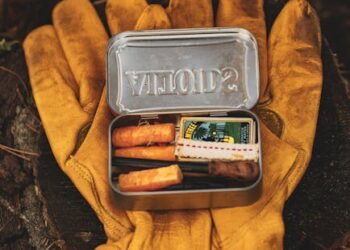
Using iodine or chlorine-based tablets can effectively disinfect water. These are lightweight and easy to carry, making them ideal for a survival kit. However, follow the instructions carefully as these chemicals need adequate time to react with the water.
Filter Systems
Portable filters are a convenient option. Some filters are designed to remove bacteria, protozoa, and even viruses. It’s crucial to understand the specifications of your filter—what does it filter out? Maintaining your filter as per the manufacturer’s guidelines ensures its efficacy.
Making Water Taste Better
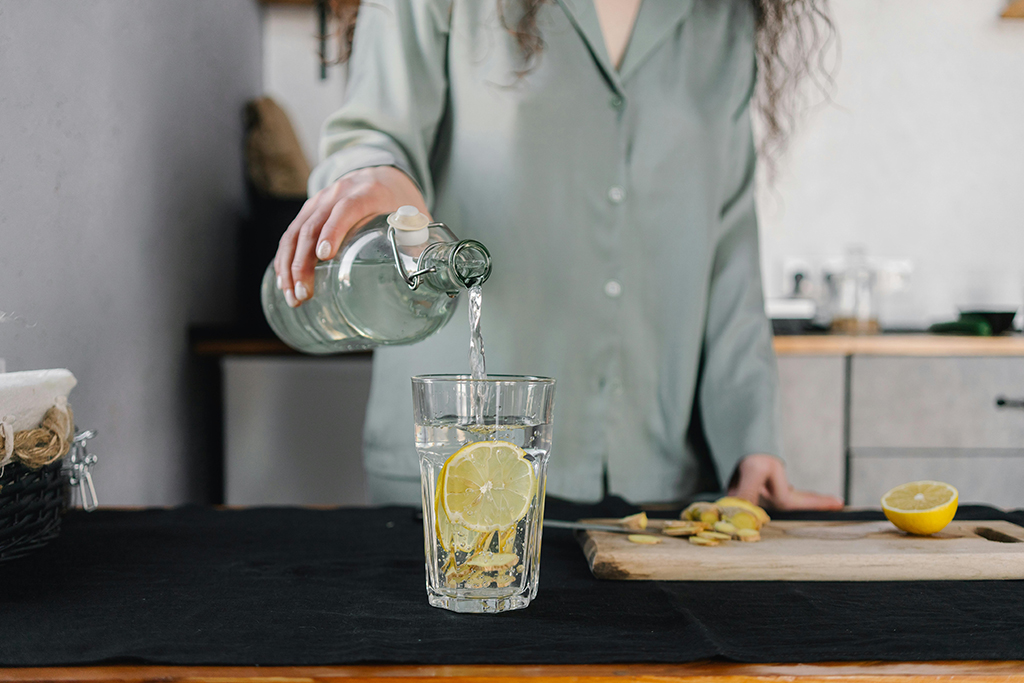
If your water tastes off after treatment, don’t worry! Here’s a quick tip: allow it to rest for a few hours or add a pinch of salt to neutralize the bland taste that boiled water often has. Alternatively, you can squeeze a little lemon into it if available. These minor adjustments can make a significant difference in palatability.
Storing Purified Water
Let’s understand the importance of storing your purified water correctly:
- Use clean, sterilized containers.
- Avoid direct sunlight.
- If using chemical treatments, keep the container sealed for the recommended period to ensure full effectiveness.
Averting Common Mistakes
Avoid a couple of common mistakes:
- Ignoring local advice: Local knowledge about water sources can be invaluable, especially in unfamiliar terrain.
- Failing to prepare: Always have a portable purification method ready within your survival kit, even if you don’t plan to stray far.
Conclusion
Maintaining safe hydration isn’t just about finding water—it’s about making sure it’s safe to drink. By choosing appropriate purification methods and implementing these essential tips from the Portable Water Purification Survival Guide for Safe Drinking Anywhere, you’re well on your way to ensuring your survival and wellness, no matter where your adventures may lead. Ready to become a savvy water purification pro? Safe travels and hydrate responsibly!