Essential Tips for Enhancing Your Personal Security in Remote Locations
Why You Should Care About Personal Security in Isolated Areas
Did you know that nearly 1 in 5 people globally spend part of their year in remote or less populated areas? Whether for work, exploration, or just getting away from the hustle and bustle, venturing into less trodden paths comes with its own set of risks and challenges. It’s not just about getting lost or facing harsh weather—personal security is a significant concern too.
So, what should you do if you’re planning to spend some time away from the crowded parts of our planet? Fear not; there are effective strategies to keep yourself safe. Here’s the scoop on sharpening your personal security savvy when you’re miles away from help.
Knowledge is Power: Understanding Your Environment
First off, familiarize yourself with the area you’re visiting. Read travel advisories, talk to locals, and check out online forums. Knowing the common risks, like wildlife encounters or unstable terrain, means you can avoid them. A simple tip, but knowing what’s common in the area—whether it’s bears or quicksand—can keep you out of unnecessary trouble.
Local Maps and Weather Checks
Don’t just rely on your phone’s GPS. In remote places, tech can let you down. Always have a physical map and a compass as backups. Tuning into the local weather station or checking the forecast regularly will help you avoid being caught in bad weather, which can escalate quickly into a survival situation.
Personal Safety Gear: What to Pack
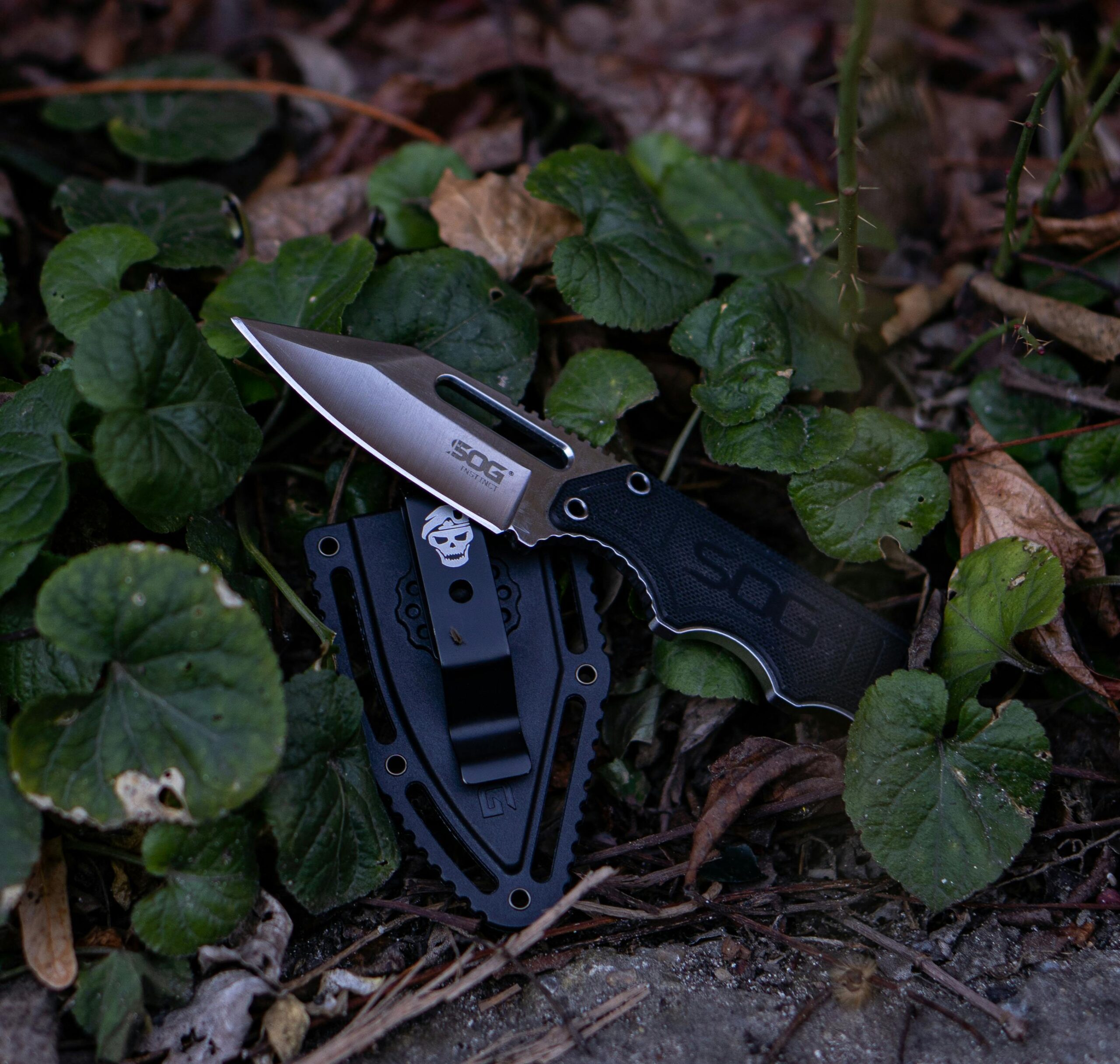
When packing, think about both survival and security. In addition to the usual suspects like water, food, and a first-aid kit, here’s what you should consider:
- Personal Alarm: Loud alarms can deter animals and alert anyone nearby if you face danger.
- Satellite Phone or Beacon: For when your mobile phone loses signal, which is a likely scenario.
- Pepper Spray or Bear Spray: Especially if you’re in an area known for wildlife.
Training Before You Go
Knowledge of basic self-defense or a survival skills course can be invaluable. These courses can teach you how to handle unexpected encounters with wildlife or what to do if you get lost. Local community centers or outdoor recreation shops often offer them.
Be Mindful of Your Health
In remote areas, even a small injury can turn serious. Always let someone know your itinerary and expected return time. This way, if you don’t check in, they know when and where to send help.
Staying Fit and Healthy
Maintain a good level of physical fitness before your trip; being in good shape can help you handle the physical demands of navigating tricky terrains or dealing with emergencies. Also, pack a well-thought-out medical kit tailored to the environment—think antivenom if there are venomous snakes or specific medication if there are prevalent illnesses.
Stay Connected the Smart Way
While it’s tempting to go off the grid, staying connected can keep you safe. Use a GPS tracker, and share your real-time location with a trusted friend or a family member. Devices like Garmin InReach or SPOT can send your coordinates at regular intervals or in case of an emergency.
Check-in Points
Set and stick to regular check-in times using your satellite phone or any communication method you have. This ensures people know where you are and that you’re okay, or that help can come quickly if you suddenly miss a check-in.
Conclusion
Venturing into remote or isolated areas can be an enriching experience, but it comes with its unique challenges, especially regarding personal security. With these essential tips—understanding your environment, packing the right safety gear, maintaining your health, and staying wisely connected—you can enjoy your adventure with peace of mind. Remember, preparation is the key to ensuring you not only survive but thrive in the great outdoors. Happy and safe travels!