Mastering Outdoor Living in Remote Areas: Essential Survival Tips
Have you ever wondered what it would be like to step away from the hustle of city life, embracing the quiet embrace of nature in a remote area? It paints a serene picture but comes bundled with its unique set of challenges. Mastering the art of survival and outdoor living in remote areas is not just about embracing the wilderness; it’s about thriving in it.
Let’s unpack this adventure together! Imagine you’re in the heart of the wilderness, where the nearest grocery store isn’t just around the corner, but perhaps miles away. The skills you need to live comfortably become vastly different from those you use in urban living. Below, we delve into these essential survival tips that will equip you for a life intertwined with nature’s rhythm.
Understanding Your Environment
1. Know Your Flora and Fauna
To start off, recognizing which plants are safe to eat and which to avoid is crucial. Similarly, understanding animal behavior in your vicinity can prevent unwanted encounters. Invest some time in studying local wildlife and plant life – it’s like getting to know your neighbors!
2. Weather Patterns
Weather can be unpredictable, but certain signs predict changes, especially in remote areas. Learn how to read these signs; for example, a sudden drop in temperature might signify an approaching storm. This knowledge is essential not just for planning your day-to-day activities but also for your long-term safety and comfort.
Establishing a Safe Shelter
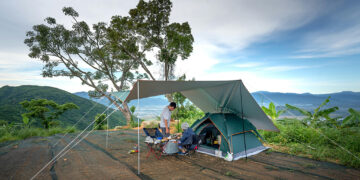
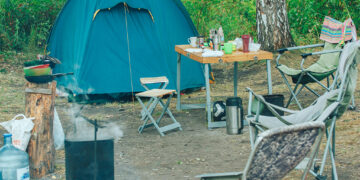
Whether you’re setting up a temporary camp or looking to build something more permanent, your shelter is your sanctuary. Choose a location wisely—look for natural shelters like overhangs, consider proximity to water sources but avoid flood zones, and consider the orientation of the sun and wind for optimum warmth and cooling. A well-thought-out shelter not only protects you from the elements but also offers peace of mind, a must in remote living.
Navigating for Resources
Finding Water
Water is the cornerstone of survival. If there aren’t streams or lakes nearby, knowing how to collect rainwater or dew can be lifesaving. Always remember to purify it, whether through boiling or using purification tablets or filters.
Foraging and Hunting
When supermarkets are out of reach, nature’s bounty can sustain you. Learn the basics of foraging for edible berries, mushrooms, and other plants. If you are in an area where hunting is allowed and ethical, mastering this skill provides a reliable food source, although it requires significant skill and respect for wildlife regulations.
Staying Healthy and Safe
Living remotely doesn’t mean ignoring your health. First aid is a critical skill – know how to treat minor injuries or what to do in case of major health issues. And don’t forget about mental health; the isolation of remote living can be challenging. Find ways to stay connected, whether through satellite communications or by scheduling regular trips to more populated areas.
Last but not least, always let someone know your whereabouts and planned movements. Safety is in the preparation and letting others help keep tabs on you, even from afar.
Conclusion: Embrace the Challenge
While living remotely in nature is undeniably challenging, it is also profoundly rewarding. It teaches resilience, self-sufficiency, and a deep appreciation for the natural world. Mastering outdoor living in remote areas isn’t just about surviving; it’s about building a life that feels fundamental and enriched. Are you ready to take on the challenge?