Top 5 Emergency Preparedness Strategies for Power Outage Survival
Imagine it’s a chilly winter evening and, without warning, your entire neighborhood plunges into darkness. The power’s out, and the utility company estimates it won’t be back for several days. What would you do? Experiencing a power outage, especially an extended one, can be more than just inconvenient; it can become a survival scenario. Fortunately, with the right strategies, you can keep your household running smoothly and safely until the lights come back on.
The Vital Role of Preparedness
When the power goes out, ordinary tasks become challenges. Being prepared means transforming those challenges into mere inconveniences. Each of these top strategies for power outage survival is aimed to equip you with the knowledge and tools to effectively manage a blackout without a hitch.
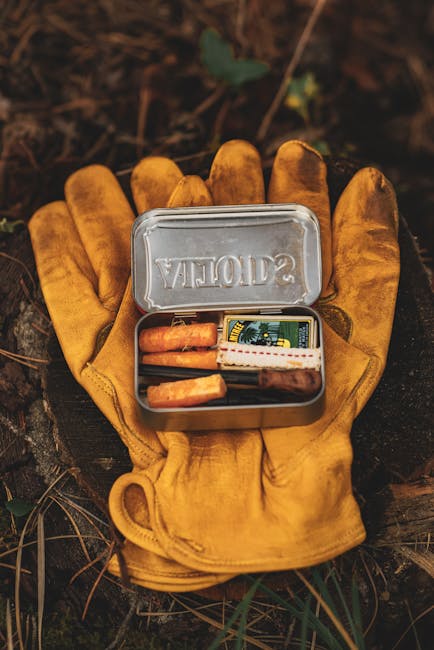
1. Create an Emergency Kit
Essentials First: Start by assembling an emergency kit that includes:
- Flashlights and extra batteries
- Battery-powered or hand-crank radio for updates
- First aid supplies
- A seven-day supply of medications
- Non-perishable food and a manual can opener
- Plenty of water (at least a gallon per person per day)
Having these items readily accessible can mean the difference between comfort and struggle during a power outage.
2. Invest in Alternative Power Sources
Stay Powered: Consider options like portable generators, solar panels, or a solar-powered charger. If you opt for a generator, ensure it is operated outside and far from windows to avoid carbon monoxide poisoning. Solar options are particularly useful for charging cell phones and small devices.
3. Plan for Heating and Cooling
Temperature Control: During a winter outage, keep your family warm by:
- Sealing windows and doors with weatherstripping
- Gathering in a central room to conserve heat
- Wearing layers and using sleeping bags
In the summer, stay cool by:
- Blocking sunlight with blackout curtains or blinds
- Using battery-powered fans
- Staying hydrated and avoiding heavy meals
4. Maintain Food Safety
Keep it Cool: Understanding how to manage your refrigerator and freezer can help prevent food spoilage.
- Keep the doors closed as much as possible
- A full freezer will keep the temperature for about 48 hours (24 hours if it is half full) if you avoid opening it
- Use a thermometer to monitor your food’s temperature
5. Prepare for Communication Challenges
Stay Connected: A battery backup for your smartphone and other communication devices can be invaluable. You might also consider:
- A list of emergency contact numbers printed out or written down
- A prepaid phone with spare batteries as a backup
- A plan for where to meet or how to communicate with family if separated
Wrapping it Up
A power outage doesn’t have to be a disaster. By preparing ahead of time, you can realistically handle days without electricity with minimal stress. Incorporating these top five emergency preparedness strategies into your planning will not only better equip you for the next blackout but also add an extra layer of safety and security for you and your loved ones. Are you prepared for the unexpected? If not, there’s no better time to start than now.