Top 10 Essential Wilderness Living Skills for Beginners
Imagine standing amidst a sprawling expanse of wilderness—the sounds of nature, the fresh air, and not a single wifi signal in sight. While this might sound invigorating, it can quickly become daunting if you’re not equipped with the right skills. Transitioning from the comfort of your home to the unpredictability of the wild requires a set of essential skills that ensure not only your survival but also your ability to enjoy and thrive in the natural world. If you’re planning your first wilderness adventure, here are ten indispensable survival skills you need to master.
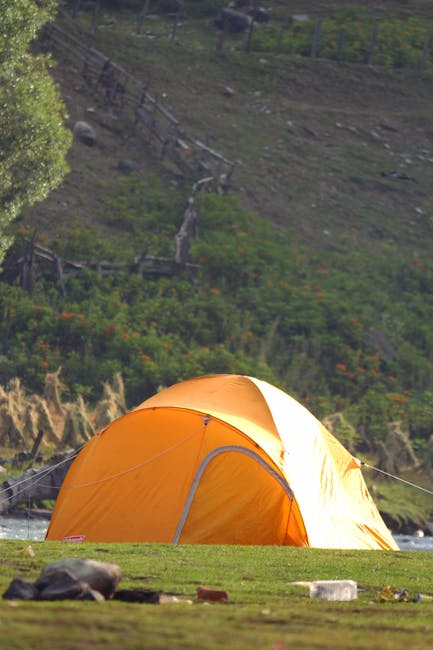
1. Building a Shelter
Why it’s Vital: Shelter is your first line of defense against the elements. Knowing how to construct a sturdy shelter can be the difference between a cozy night and a miserably cold one.
How to Get Started: Begin by learning how to use natural materials like branches, leaves, and mud. Practice makes perfect, so try building different types of shelters, like lean-tos or debris huts, during various camping trips.
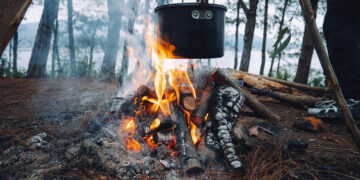
2. Starting a Fire
Why it’s Essential: Fire is necessary for warmth, cooking, and even morale. Plus, it can signal rescuers if you’re lost.
How to Master It: Learn both modern and primitive fire-making techniques. Carry a lighter or matches in a waterproof container, and practice using a flint or bow drill.
3. Finding and Purifying Water
Water is Life: You can survive weeks without food, but only days without water.
Skill Development: Learn to locate water sources like streams, rivers, or morning dew. Master purification methods such as boiling, chemical tablets, or portable filters to make any water safe for drinking.
4. Identifying Edible Plants
Food on the Go: Not everything green is good for you. Some plants can nourish, while others can kill.
Safe Foraging Practices: Familiarize yourself with common edible plants in different environments. Always carry a guidebook or app on edible plants, and when in doubt, avoid it.
5. Basic First Aid
Prepare for the Unexpected: Injuries can occur when you least expect them, especially in rough terrain.
Essential Skills: Learn to perform CPR, treat wounds, and recognize symptoms of common ailments and infections. Always carry a basic first aid kit.
6. Navigation Skills
Lost or Found: GPS devices are handy, but batteries die and gadgets can malfunction.
Traditional Methods: Learn how to use a map and compass. Practice navigating by natural landmarks and the positions of the sun and stars.
7. Knot Tying
Secure Everything: Tying the right knot can secure a shelter, set a trap, or mend a broken tool.
Knots to Know: Start with basic knots like the square knot, bowline, and sheet bend. Use rope practice at home before applying your skills in the field.
8. Weather Prediction
Stay a Step Ahead: Understanding weather patterns can protect you from a potentially life-threatening situation.
Tips: Learn to read the sky and wind patterns. Pay attention to weather signs like animal behavior and cloud formations.
9. Fishing and Trapping
Procure Your Protein: These skills are critical for prolonged wilderness stays.
Getting Started: Learn to make simple fishhooks and traps. Understand local wildlife patterns and ethical practices.
10. Mental Resilience
Often Overlooked: The strength to endure, adapt, and overcome challenges is as crucial as any physical skill.
Building Resilience: Practice mindfulness and set small, achievable goals. Stay positive and learn from every outdoor experience.
In conclusion, mastering these top 10 essential wilderness living skills will not only enhance your survival capabilities but also deepen your connection with nature. As you prepare for your wilderness adventures, remember that each skill enhances not only your safety but your enjoyment of the outdoor experience. Start small, practice regularly, and gradually build your confidence and proficiency. Here’s to paving the way for many exciting and safe wilderness explorations!