Unveiling the Best Survival Kit for Camping Review: What to Pack for Safety and Convenience
Embarking on a camping trip can be an exhilarating experience, combining adventure with the serenity of nature. Yet, it’s crucial to be prepared. A well-equipped survival kit can make the difference between a fun excursion and a challenging ordeal. Let’s dive into the essentials of what should be in your survival kit to ensure both safety and convenience while camping.
The Must-Have Basics of a Survival Kit
When planning your camping essentials, certain items are non-negotiable for maintaining safety and efficiency in any outdoor scenario.
1. Water Purification Supplies
Access to clean water is vital. Include a lightweight, durable water filter and purification tablets in your kit. Consider the Lifesaver Bottle, a portable water filter that can purify up to 6,000 liters before needing a replacement cartridge.
2. Multipurpose Tools
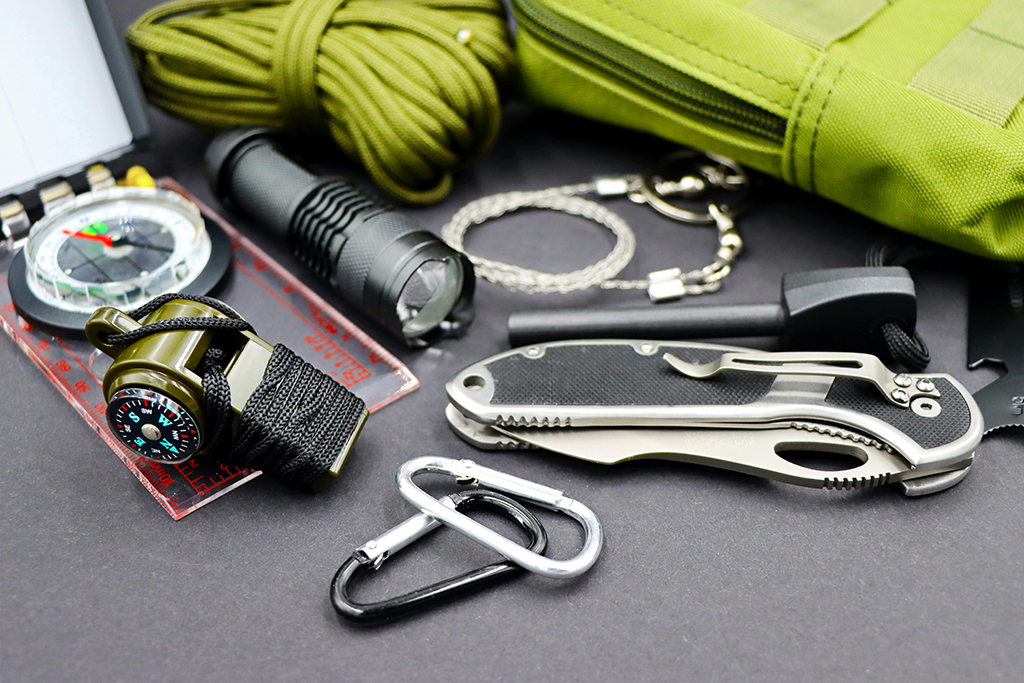
A robust multi-tool can serve various functions, making it an indispensable item in your survival kit. Look for options with knives, screwdrivers, and pliers to handle unexpected repairs. The Leatherman Wave Plus is a favorite among campers for its reliability and versatility.
3. First Aid Kit
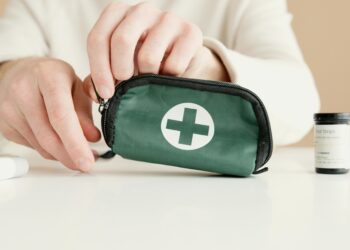
Injuries can happen. Pack a comprehensive first aid kit that includes bandages, disinfectants, anti-inflammatory drugs, and specific medications if needed. Customizing your first aid kit based on personal needs and the nature of the trip is a proactive way to prepare.
Navigational Tools for the Avid Camper
Getting lost is a risk when in unfamiliar terrain. Efficient navigational tools should form a critical component of your survival kit.
1. Reliable Compass and Maps
Even in today’s digital age, the traditional compass and physical maps remain essential. A durable, liquid-filled compass and waterproof maps of the area ensure you can navigate even if technology fails.
2. GPS Device
A handheld GPS device can be a lifesaver in remote locales. Devices like the Garmin GPSMAP 64st boast features such as a high-sensitivity GPS and GLONASS receiver, which provide superior reception in heavy cover or deep canyons.
Emergency Equipment and Shelter
Your survival kit should also contain items to help you manage severe weather conditions and potential overnight stays in unpredicted circumstances.
1. Emergency Blanket
Compact yet effective, emergency blankets can reflect up to 90% of your body heat back to you. They are indispensable if you encounter colder climates unexpectedly.
2. Tent or Bivy Sack
A lightweight tent or bivy sack provides critical shelter from the elements. The MSR Hubba Hubba NX tent is highly recommended for its balance of weight, space, and setup ease.
Fire Starting Supplies
Camping isn’t complete without a campfire. Additionally, the ability to start a fire is crucial for warmth and food preparation in emergency situations.
1. Weatherproof Matches and Firestarter
Always carry waterproof or stormproof matches, along with a reliable firestarter. The UST WetFire Tinder works well even when wet, making it an excellent choice for all weather conditions.
Foods and Nutrition
While you might indulge in freshly caught fish or gathered berries, having a backup food supply that’s nutritious and easy to prepare is prudent.
Energy Bars and Dried Meats
Pack calorie-dense, easy-to-carry foods like energy bars, nuts, and jerky. These not only offer quick energy but are also compact, which is ideal for any camping trip.
Putting It All Together: Your Ultimate Camping Safety Toolkit
Organizing your survival kit is as crucial as choosing the right items. Your kit should be compact, water-resistant, and easy to carry. Store items in sealed, zip-lock bags and use a sturdy backpack or container that can withstand outdoor elements.
Keep in mind that the best survival kit is one that suits your specific needs, depending on the nature of your trip, the environment, and personal preferences. Always customize accordingly.
Conclusion
Your camping trip can be both enjoyable and safe with the right survival kit. By packing wisely, you ensure peace of mind, equipped to handle the unpredictability of nature with confidence. Remember, in the great outdoors, being prepared is not just a matter of convenience—it’s necessary for survival.