Mastering Beginner Bushcraft Survival Skills: Your Ultimate Guide
Embarking on the path of bushcraft can be an enriching experience, offering not just communion with nature but also practical survival skills. When starting, it’s essential to focus on the foundational skills that will form the bedrock of all your bushcraft endeavors. This comprehensive guide is tailored to help beginners navigate through the fundamentals of bushcraft, equipping you with key skills, clear instructions, and engaging activities to enhance your outdoor experiences.
Bushcraft Basics: Understanding the Core Components
Bushcraft involves more than just surviving; it’s about thriving in natural environments using traditional skills. Let’s break down the core components that you must learn as a beginner.
Shelter Building
One of the first and most crucial survival skills is learning how to build a shelter. A good shelter protects you from elements, insects, and animals, and can retain heat during cold nights. Start with simple structures like a lean-to or a debris hut, which don’t require many tools or complex techniques. Use natural materials such as branches, leaves, and moss to construct your shelter.
Firecraft
Mastering the art of making and managing a fire is essential. Fire serves various purposes—from cooking food to signaling for help, providing warmth, and warding off predators. As a beginner, learn to build a fire using basic techniques like the fire-plough or the bow drill method. Always remember to gather dry wood and maintain a balance of tinder, kindling, and fuel wood.
Water Sourcing and Purification
Water is life. Finding and purifying water in the wilderness is a vital skill. Learn to identify clean water sources like springs or streams. It’s crucial to purify water through boiling, using chemical purifiers, or a filtration system to avoid waterborne diseases. Practicing these methods will ensure you have access to safe drinking water in the wild.
Foraging for Food
Foraging involves identifying and collecting wild edibles. It’s important to use a good field guide and possibly take a course to accurately identify safe to eat plants and berries. Start with easily recognizable species and avoid any plants that look similar to poisonous varieties.
Essential Bushcraft Tools & Equipment
The right tools can mean the difference between a good and a bad bushcraft experience. Here are essential items you should have:
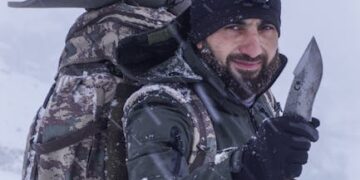
- Fixed-blade knife: Crucial for tasks like cutting, carving, and preparing food. Choose a durable, sharp knife with a comfortable handle.
- Firestarter: Always carry a reliable firestarter tool like a ferrocerium rod or waterproof matches.
- Water purification: Include items like a portable water filter or purification tablets in your kit.
- Durable backpack: A sturdy backpack can hold all your bushcraft essentials, ensuring everything stays secure and accessible.
Navigating and Safety in the Wild
Orienting with a Compass and Map
Being able to navigate using a compass and map is a fundamental outdoor skill. Familiarize yourself with concepts like reading a topographic map and orienting the map with your surroundings. Always carry a compass and a detailed map of the area you’re exploring.
Understanding and Managing Risks
Safety should always be a priority in bushcraft. Understand the risks associated with different environments—whether it’s potential falls, wildlife, or harsh weather conditions. Learn first aid basics, inform someone about your plans and expected return, and always prepare for emergencies.
Creating a Bushcraft Survival Kit
Your bushcraft survival kit should include tools and items that cater to the fundamental needs of shelter, water, fire, and food. Customize your kit based on the duration of your trip, local environment, and personal needs.
Practicing Ethical Bushcraft
Respecting nature and practicing sustainability are crucial aspects of bushcraft. Always aim to leave no trace, minimize campfire impacts by using existing fire rings, avoid damaging live trees and plants, and carry out all trash.
Conclusion: Embarking on Your Bushcraft Journey
Mastering bushcraft skills as a beginner involves patience, practice, and respect for nature. Start with the basics, gradually build your skills, and immerange yourself in continuous learning. Remember, every bushcraft adventure is a chance to grow and connect with the natural world in a meaningful and respectful way.
As you pack your gear for your first or next wilderness adventure, carry a spirit of curiosity and a commitment to safety and ethical interaction with the environment. Happy crafting!